1. The Ultimate Khumbu Dilemma: Everest Base Camp vs Gokyo Lakes Overview
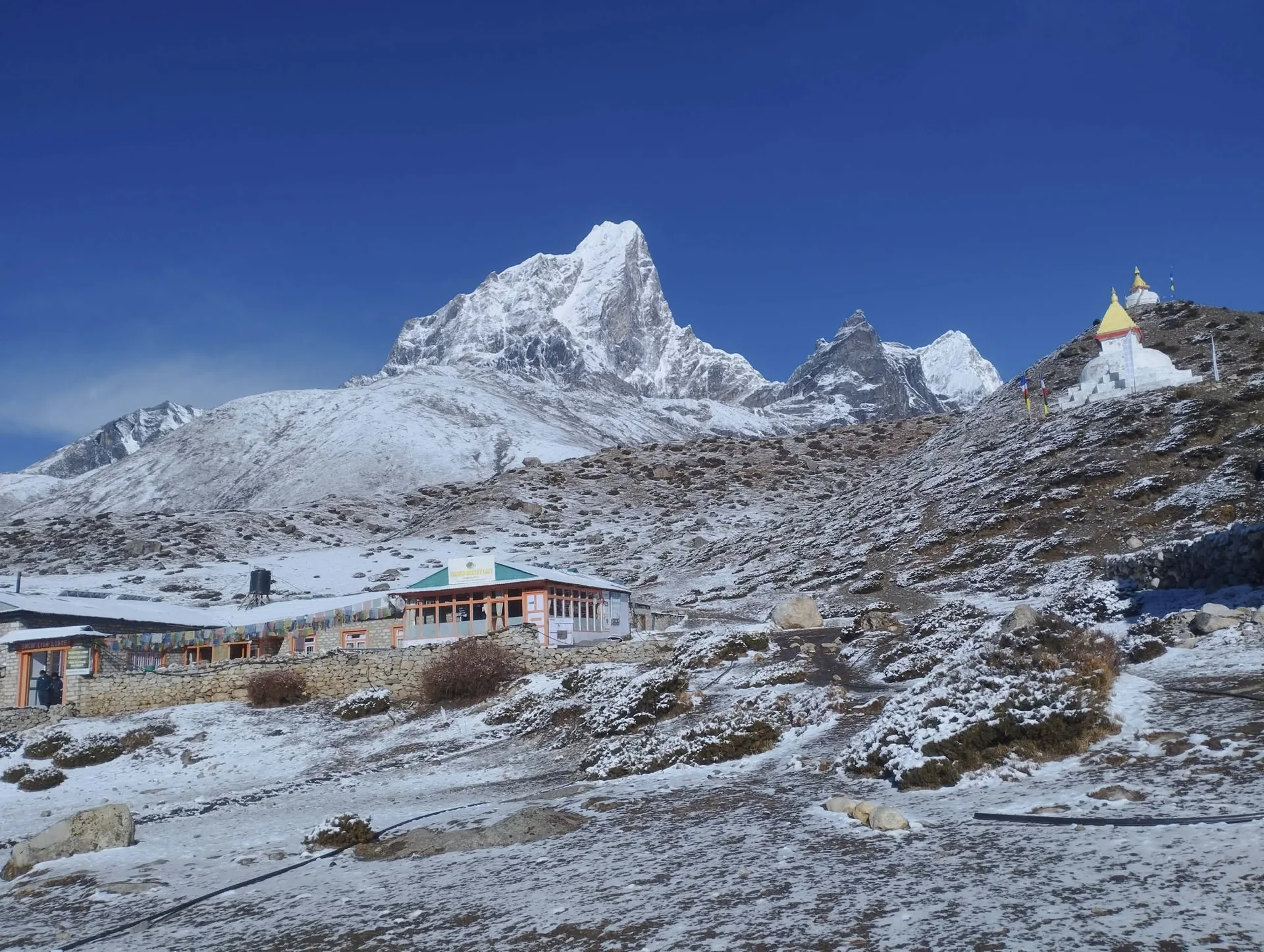
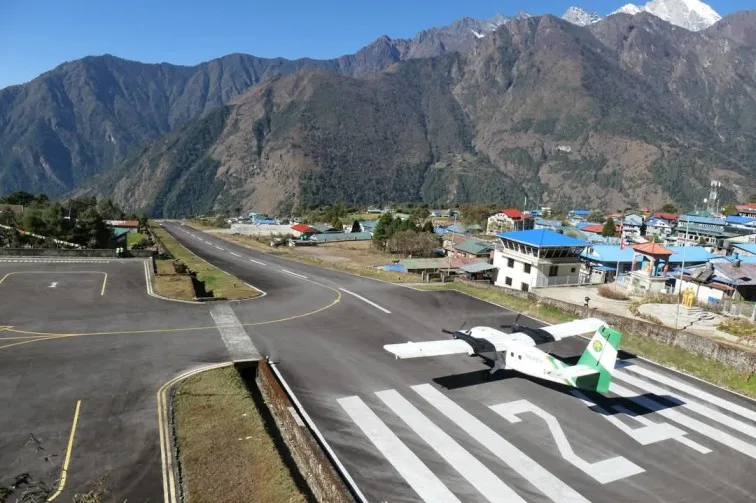
Both treks begin and end at the same high-altitude airstrip in Lukla (2,846 m), share the exact same first two days of hiking through Phakding to the Sherpa capital of Namche Bazaar (3,440 m), and require the same national park permits and gear. Above Namche Bazaar, however, the two trails diverge sharply into fundamentally different Himalayan experiences.
The Everest Base Camp trail bends northeast through Tengboche, Dingboche, and Lobuche, following the deep Khumbu glacial trough toward the historic mountaineering base camp beneath the Khumbu Icefall. The Gokyo Lakes trail branches north into the quieter Dudh Koshi Valley, climbing past Mong La and Dole into an alpine lake basin carved beside the Ngozumpa Glacier.
| Key Factor | Classic Everest Base Camp (EBC) | Gokyo Lakes & Gokyo Ri |
|---|---|---|
| Primary Appeal | Historic bucket-list achievement; stand at the base of Everest | Pristine turquoise glacial lakes, immense mountain panoramas |
| Total Distance (Roundtrip) | ~130 km (80.7 miles) | ~92 km (57.1 miles) |
| Standard Duration | 12 to 14 days | 11 to 12 days |
| Highest Sleeping Altitude | 5,164 m (Gorak Shep) | 4,790 m (Gokyo Village) |
| Peak Viewpoint | Kala Patthar (5,545 m / 18,192 ft) | Gokyo Ri (5,357 m / 17,575 ft) |
| Visible 8,000 m Peaks | 2 (Everest, Lhotse) | 4 (Everest, Lhotse, Makalu, Cho Oyu) |
| Crowd Density | Very High (~40,000 trekkers/yr) | Low to Moderate (~12,000 trekkers/yr) |
| Average Package Cost | $1,350 – $1,750 USD | $1,250 – $1,650 USD |
2. Scenery & Visual Splendor: Turquoise Glacial Lakes vs Rugged Glacial Moraine
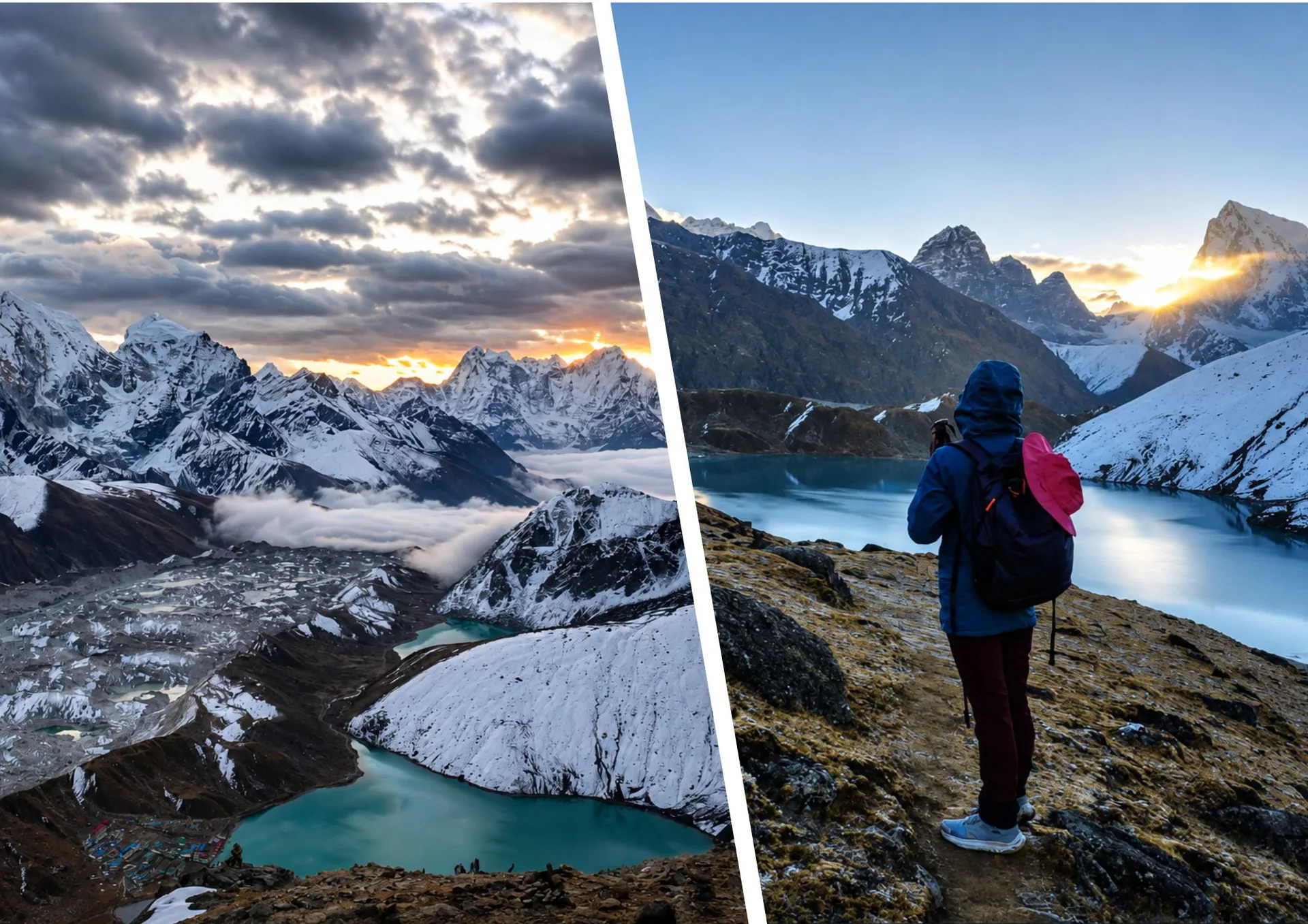
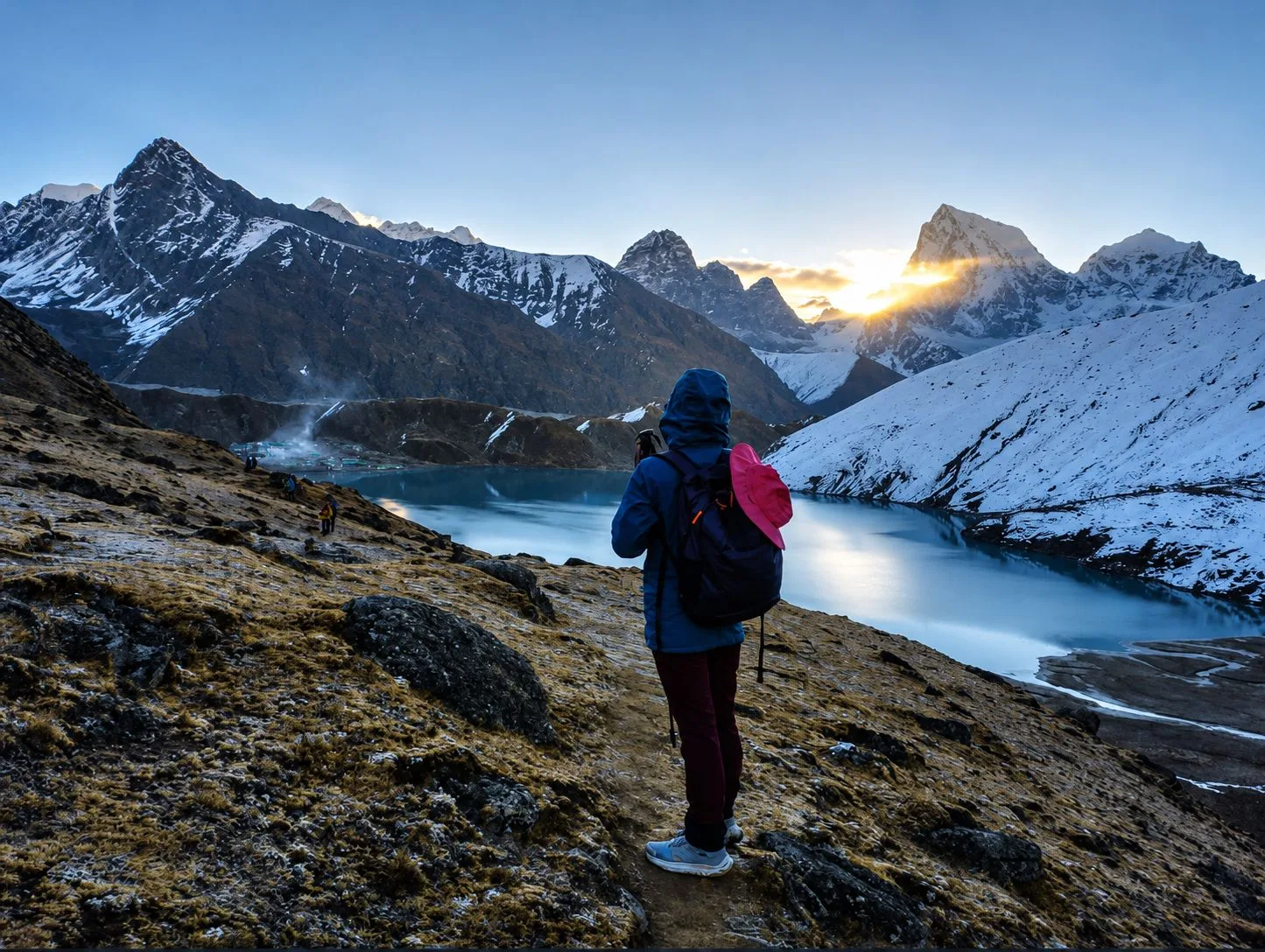
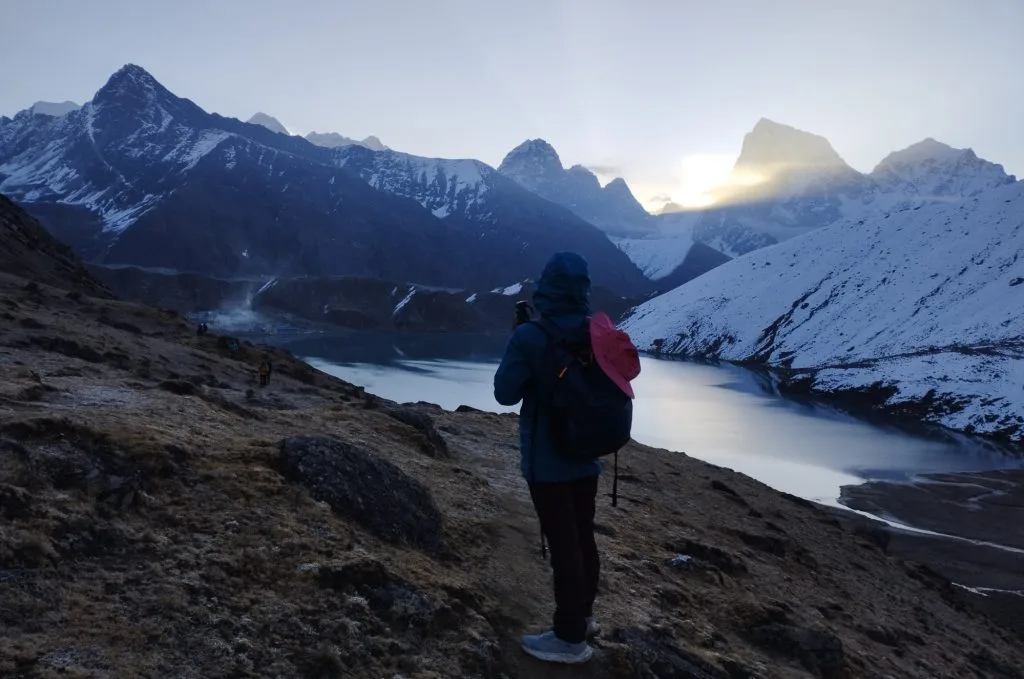
When comparing pure aesthetic beauty, most mountain photographers agree that Gokyo Lakes offers a more diverse and colorful palette. The Gokyo Valley features six distinct oligotrophic glacial lakes fed by meltwater from the Ngozumpa Glacier. The suspended rock flour reflects sunlight into radiant emerald, cobalt, and turquoise water hues that contrast sharply with surrounding ice massifs.
In contrast, the final stages of the Everest Base Camp trek (above Dingboche through Dughla, Lobuche, and Gorak Shep) traverse an austere, monochromatic landscape of gray glacial rubble, massive boulders, and dark moraine gravel. While undeniably raw, colossal, and humbling, the scenery around EBC is stark and desolate rather than picturesque.
3. Mountain Viewpoints Compared: Gokyo Ri (Four 8,000 m Peaks) vs Kala Patthar (Close-up Everest)
Both treks culminate in an early-morning ascent of a world-famous non-technical viewpoint summit. The showdown between Kala Patthar (5,545 m) on the EBC trail and Gokyo Ri (5,357 m) in the Gokyo Valley is legendary:
| Viewpoint Metric | Kala Patthar (EBC Trail) | Gokyo Ri (Gokyo Trail) |
|---|---|---|
| Summit Altitude | 5,545 m (18,192 ft) | 5,357 m (17,575 ft) |
| Starting Point & Altitude | Gorak Shep (5,164 m) | Gokyo Village (4,790 m) |
| Vertical Ascent | +381 vertical meters | +567 vertical meters |
| Average Climb Time | 1.5 to 2.5 hours | 2.5 to 3.5 hours |
| 8,000-Meter Peaks Visible | Mount Everest, Lhotse | Mount Everest, Lhotse, Makalu, Cho Oyu |
| Everest Perspective | Intimate close-up; see South Col, Hillary Step, Khumbu Icefall | Sweeping broad panorama; see full North/South ridge profile |
| Glacier Perspective | Khumbu Glacier & Icefall | Ngozumpa Glacier (longest in Himalayas) |
| Water / Lake Views | None (Dry moraine & ice) | All three main Gokyo Lakes glowing below |
4. Crowd Density & Trail Atmosphere: Bustling Highway vs Serene Alpine Sanctuary
Trail atmosphere is where the two journeys differ most dramatically. Everest Base Camp is an international brand and one of the most popular trekking routes on the planet. During the peak months of October, November, and April, over 800 to 1,000 trekkers and guides hit the EBC trail every single morning.
On the EBC route, you will frequently hike in single-file queues behind long yak and mule caravans, inhale trail dust kicked up by pack trains, and compete with dozens of trekking groups for limited dining hall tables in Lobuche and Gorak Shep.
By contrast, the Gokyo Valley receives roughly 70% fewer visitors. Once you diverge from the main highway past Sanasa, you will often hike for an hour without seeing another group. The lodges are quieter, Sherpa lodge hosts have time to sit and chat by the stove, and the natural silence of the high Himalayas remains unbroken.
5. Physical Difficulty & Elevation Profile: 130 km vs 92 km Breakdown
Which trek is physically harder? Each route tests your body in distinct ways:
- EBC is Longer and Sleeps Higher: EBC requires walking 130 kilometers total (averaging 11 to 14 km daily) and forces you to spend a night at Gorak Shep at 5,164 m (16,942 ft). Sleeping above 5,000 meters causes significant hypoxia, poor sleep, and increased risk of AMS.
- Gokyo has Steeper Daily Incline: Gokyo is shorter (92 km round-trip) and your highest sleeping night is at 4,790 m in Gokyo village (374 meters lower than Gorak Shep). However, the trail from Mong La down to Phortse Tenga and up to Dole involves intense vertical undulating stairs, and the 567-meter summit push up Gokyo Ri has a punishing 31% gradient.
Because you sleep at 4,790 meters in Gokyo village rather than 5,164 meters at Gorak Shep, the physiological recovery and sleep quality on the Gokyo trek are significantly superior. Trekkers prone to high-altitude insomnia and severe headaches often find the Gokyo elevation profile much more manageable.
6. Teahouse Comfort & Hospitality: Khumbu Valley vs Gokyo Valley Lodges
Because EBC has experienced heavier commercial investment over the past three decades, its lower trail corridor offers higher-end luxury lodge chains (such as Yeti Mountain Home in Phakding and Namche) and modern cafes serving espresso and pastries in Namche and Dingboche.
However, at the highest outposts—specifically Gorak Shep (5,164 m)—the teahouses on the EBC route are notorious for overcrowding, freezing drafty plywood rooms, and overwhelmed communal squat toilets.
In Gokyo village (4,790 m), the handful of family-run lodges (such as Gokyo Resort and Namaste Lodge) sit directly on the lakefront. They feature sunny glass dining solariums with direct lake views, warmer communal stoves, and noticeably more personal Sherpa family hospitality.
7. Cost & Budget Comparison: Flights, Permits, Daily Meals & Package Prices
Financially, both treks are comparable because they share the same domestic Lukla flight costs ($360 – $450 USD round-trip) and the same mandatory permits (Sagarmatha National Park + Khumbu Pasang Lhamu Permit = ~$50 USD).
However, Gokyo Lakes is typically $100 to $200 USD cheaper overall because:
- The itinerary is 1 to 2 days shorter (saving 1–2 days of guide wages, porter fees, meals, and lodge bills).
- You avoid the inflated food and accommodation surcharges at Gorak Shep, where a bottle of drinking water costs NPR 500+ and battery charging runs NPR 600 per device.
8. Acclimatization Safety & Altitude Sickness Risks (Sleeping at 5,164 m vs 4,790 m)
Altitude-related evacuation rates are statistically higher on the classic Everest Base Camp trek than on the standard Gokyo Lakes trek. The primary culprit is the overnight stay at Gorak Shep (5,164 m).
Human bodies deteriorate quickly when attempting to recover and sleep at 5,164 meters without weeks of prior acclimatization. Many EBC trekkers experience severe altitude headaches, acute nausea, and rapid drops in blood oxygen saturation (SpO2 dropping below 70%) during their night at Gorak Shep.
On the Gokyo trek, sleeping at 4,790 meters allows better overnight oxygenation. Furthermore, if a trekker develops early symptoms of AMS at Gokyo, a rapid descent of just 300 to 450 meters down to Machhermo or Dole can be accomplished on foot in less than 2.5 hours.
9. Cultural Immersion: Tengboche Monastery vs Khumjung & Upper Gokyo Settlements
Culturally, both routes provide deep immersion in the spiritual heritage of the Sherpa people, but each highlights different traditions:
- EBC Cultural Highlight: Tengboche Monastery: The EBC route passes through Tengboche (3,867 m), the spiritual heart of the Khumbu. Trekkers can attend daily afternoon puja (chanting and prayer ceremonies) with Tibetan Buddhist monks against the backdrop of Ama Dablam.
- Gokyo Cultural Highlight: Sacred Waters & High Yak Pastures: The Gokyo Lakes are revered as sacred pilgrimage sites by both Hindus and Buddhists. During the August Janai Purnima festival, hundreds of devotees bathe in the holy waters of Dudh Pokhari to worship Lord Shiva and the serpent deity (Nag Devata). The valley is also an active summer grazing territory for purebred Himalayan yaks.
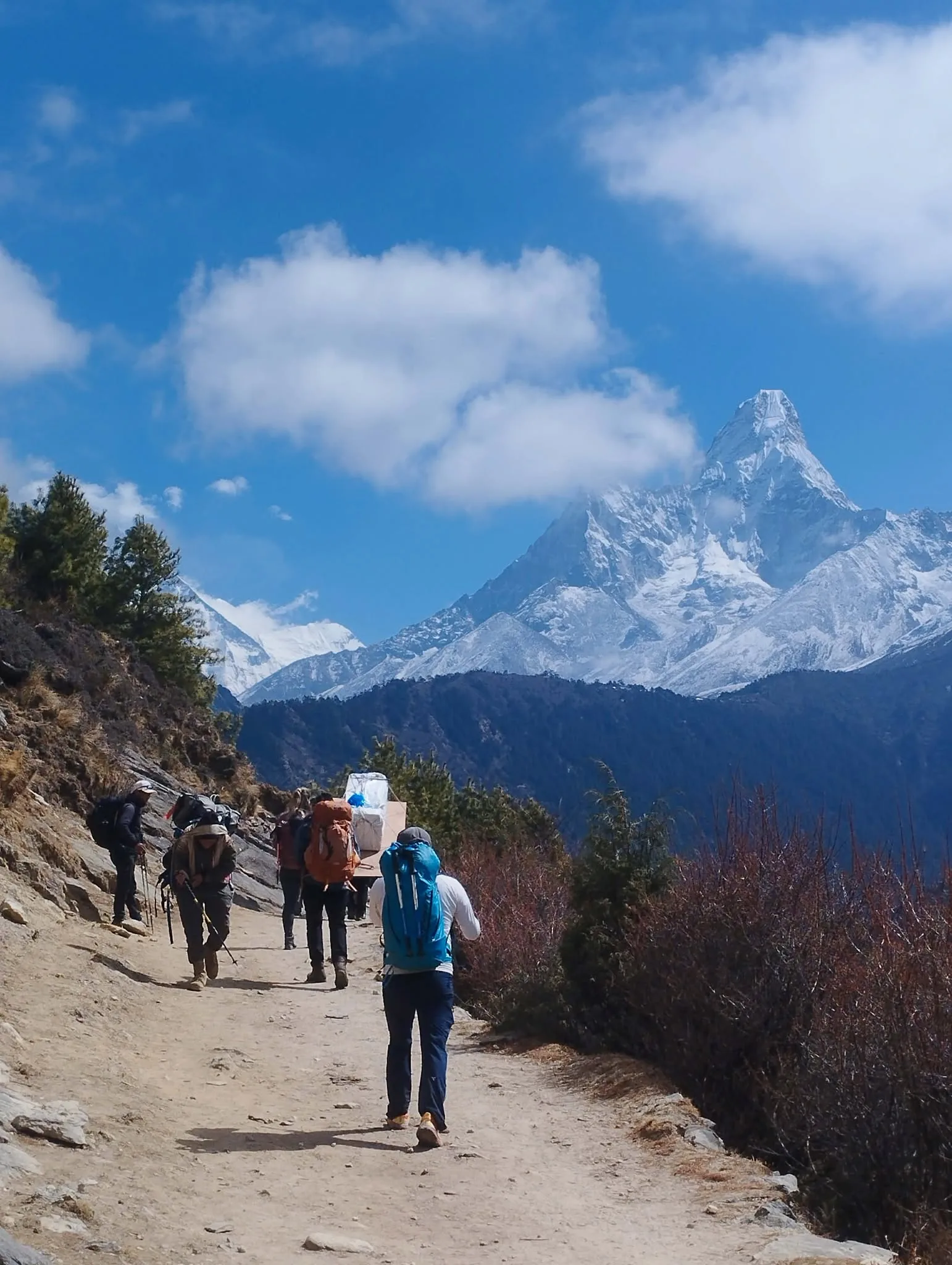
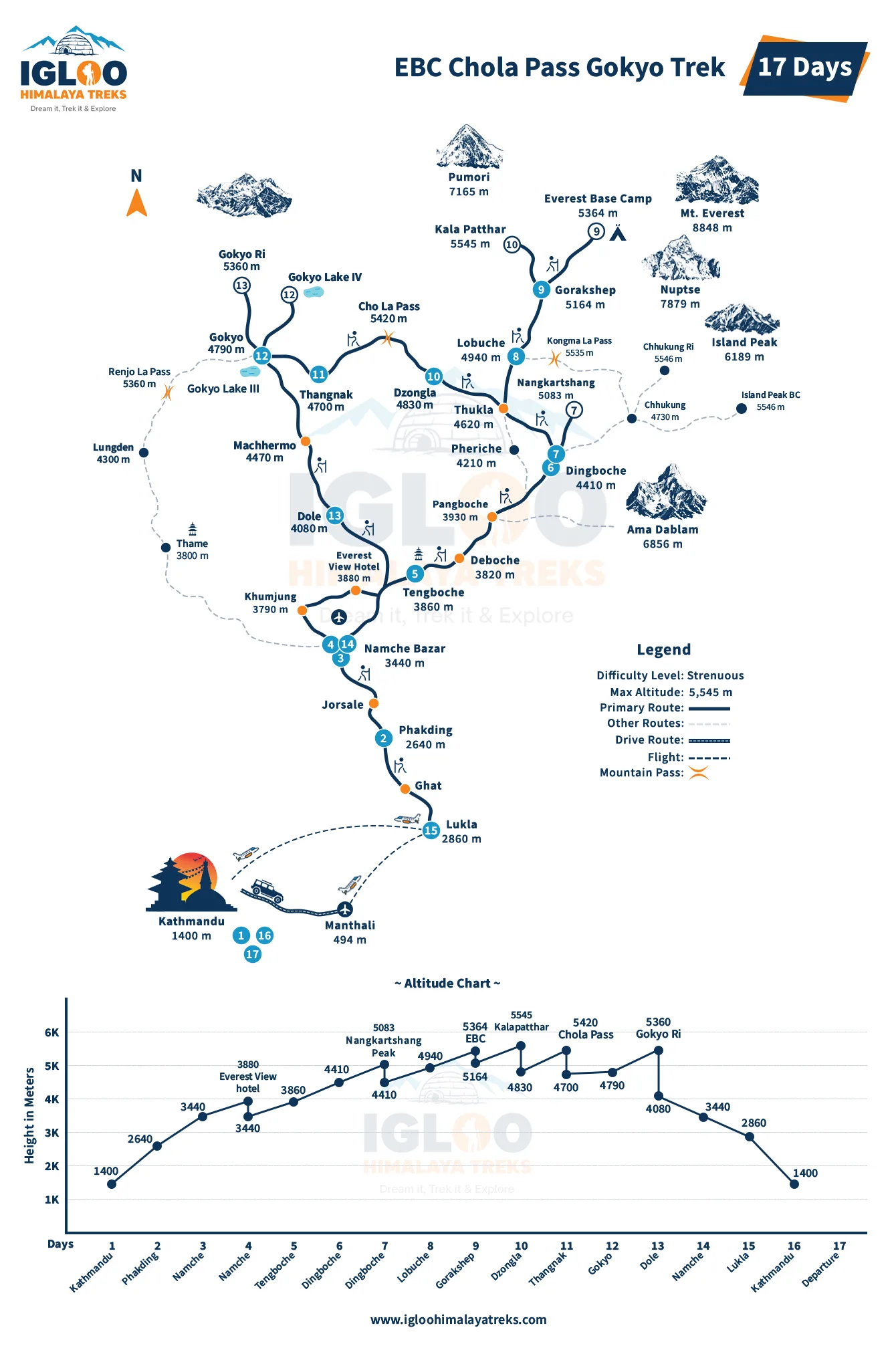
10. The Best of Both Worlds: Combining EBC and Gokyo via Cho La Pass (17 Days)
What if you cannot bear to choose between the historic thrill of Everest Base Camp and the turquoise beauty of Gokyo Lakes? You don't have to!
The Gokyo Lakes & Everest Base Camp via Cho La Pass trek (16 to 18 days) connects both valleys over an alpine glaciated pass at 5,420 meters (17,782 ft). It is widely regarded as one of the top five alpine circuit treks in the world.
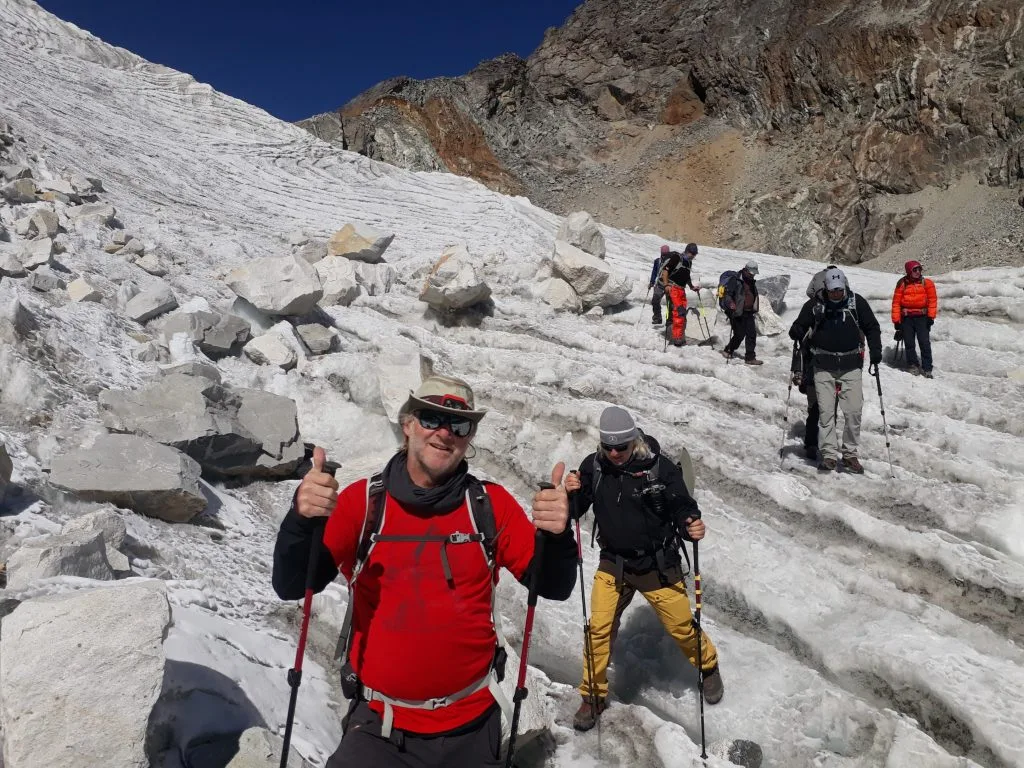
| Day | Trail Segment & Highlights | Elevation |
|---|---|---|
| Days 1 – 6 | Lukla → Namche Bazaar → Dole → Machhermo → Gokyo | 2,846 m → 4,790 m |
| Day 7 | Gokyo Ri Summit (Four 8,000 m peaks) & 4th Lake | 5,357 m summit |
| Day 8 | Gokyo across Ngozumpa Glacier to Thagnak | 4,700 m |
| Day 9 | Cross Cho La Pass (Glacier traverse) to Dzongla | 5,420 m pass / 4,830 m |
| Day 10 | Dzongla to Lobuche (Rejoin EBC trail) | 4,910 m |
| Day 11 | Lobuche to Gorak Shep & Everest Base Camp! | 5,364 m Base Camp |
| Day 12 | Kala Patthar Summit & descend to Pheriche | 5,545 m / 4,240 m |
| Days 13 – 16 | Pheriche → Namche Bazaar → Lukla → Fly Kathmandu | Descent to Lukla |
11. Who Should Choose Everest Base Camp? (Bucket-Listers, History Buffs & 1st Timers)
The classic Everest Base Camp trek is the ideal choice if you:
- Want the World-Famous Trophy: Reaching Everest Base Camp is an internationally recognized milestone that everyone back home instantly understands and respects.
- Are Fascinated by Mountaineering History: You want to walk in the footsteps of George Mallory, Sir Edmund Hillary, and Tenzing Norgay, visit the Everest climber memorials at Chukpo Lhari, and look directly into the treacherous Khumbu Icefall.
- Want Closer Views of Everest: Kala Patthar places you physically closer to Mount Everest and the South Col than Gokyo Ri.
- Value Tengboche Monastery: Attending prayers inside Tengboche Monastery is a bucket-list priority for many cultural travelers.
12. Who Should Choose Gokyo Lakes? (Photographers, Nature Purists & Solitude Seekers)
The Gokyo Lakes trek is the superior choice if you:
- Hate Crowded Trails: You want an authentic wilderness trek without dodging endless tourist groups, drone buzzing, and yak pack-train bottlenecks.
- Are a Passionate Photographer: You prioritize vibrant water reflections, dramatic lake vistas, and a 360-degree panorama from Gokyo Ri that captures four 8,000-meter giants simultaneously.
- Have a Tighter Time Frame: You have 11 to 12 days rather than 14 days for your mountain expedition.
- Prefer Quieter, Cheaper Lodging: You want warmer lakefront teahouses with more attentive Sherpa hospitality and lower daily incidental costs.
- Prefer Not to Sleep Above 5,000 Meters: You want to avoid the debilitating night at Gorak Shep (5,164 m).
13. Comprehensive Side-by-Side Decision Matrix across 12 Key Factors
Use this rapid-fire decision scorecard to finalize your itinerary:
| Decision Factor | Everest Base Camp (EBC) | Gokyo Lakes | Winner for this Factor |
|---|---|---|---|
| Iconic Status & Bragging Rights | Legendary global bucket-list | Known mostly by alpine connoisseurs | Everest Base Camp |
| Photographic Variety & Color | Monochromatic rock and ice | Turquoise lakes, golden moraines, ice | Gokyo Lakes |
| Best Panoramic Mountain View | Kala Patthar (Everest close-up) | Gokyo Ri (Four 8,000ers) | Gokyo Lakes |
| Trail Solitude & Low Crowds | Very crowded peak seasons | 70% fewer trekkers | Gokyo Lakes |
| Total Hiking Distance | 130 km round-trip | 92 km round-trip | Gokyo Lakes (Shorter) |
| High-Altitude Sleep Safety | Sleeps at Gorak Shep (5,164 m) | Sleeps at Gokyo (4,790 m) | Gokyo Lakes (Safer) |
| Climbing History & Lore | Khumbu Icefall, memorials | Sacred lakes, yak pastures | Everest Base Camp |
| Monastery Architecture | Tengboche Monastery | Khumjung & small chortens | Everest Base Camp |
| Overall Cost & Budget | $1,350 – $1,750 USD | $1,250 – $1,650 USD | Gokyo Lakes (~$100 less) |
| Best Option for 1st Time Trekker | Well-established trail infrastructure | Slightly steeper mid-trail grades | Everest Base Camp |
Frequently Asked Questions: Everest Base Camp vs Gokyo Lakes
Select a category below to explore expert answers to the most common questions travelers ask about EBC vs Gokyo Lakes:
General & Planning
Ready to Experience the Himalayas?
Whether you are preparing for high-altitude trekking, cultural circuits, or alpine summit expeditions, start planning a bespoke journey tailored to your fitness, travel season, and style.