Trekking Regions in Nepal
Nepal is home to some of the world's most diverse trekking landscapes, ranging from the high valleys of Everest and the Annapurna Himalaya to the remote wilderness of Dolpo, Kanchenjunga and the far western mountains. Each region has its own landscapes, cultures, altitude profiles, trekking seasons, access conditions and levels of infrastructure.
Explore Nepal by trekking region and discover the routes that best match your experience, time, interests and travel style.
Nepal Trekking Regions Map
Nepal's mountain geography stretches 800 km across the Great Himalayan Range. Click any region marker on the map below to jump directly to its detailed profile.
Which Trekking Region in Nepal Is Right for You?
Instead of searching through dozens of routes, filter Nepal's main Himalayan regions by your top trip priority.
Compare Nepal's Trekking Regions
Compare difficulty levels, access methods, trail crowd density, and key highlights across all major regions.
| Region | Famous Treks | Typical Difficulty | Best For | Access | Crowds |
|---|---|---|---|---|---|
| Everest (Khumbu) | EBC, Gokyo Lakes, Three Passes, Everest View | Moderate – Challenging | Iconic high mountain scenery & Sherpa culture | Flight (Lukla) / Overland Drive | High |
| Annapurna Massif | Circuit, ABC, Mardi Himal, Khopra Ridge, Poon Hill | Easy – Challenging | Landscape diversity & strong lodge infrastructure | Road Access / Pokhara Flight | High |
| Langtang Valley | Langtang Valley, Gosaikunda, Tamang Heritage | Moderate | Shorter Himalayan trips close to Kathmandu | Direct Overland Road (Syabrubesi) | Moderate |
| Manaslu Zone | Manaslu Circuit, Tsum Valley | Challenging | Unspoiled restricted circle & Tibetan villages | Overland Jeep / Bus | Lower |
| Mustang (Lo) | Upper Mustang, Lower Mustang, Muktinath | Moderate | Ancient Tibetan kingdom, arid canyons, monsoon trek | Road / Jomsom Flight | Moderate |
| Kanchenjunga | North & South Base Camp Circuit | Challenging | Wilderness expedition & 3rd highest peak views | Flight (Bhadrapur) + Jeep Drive | Low |
| Makalu Barun | Makalu Base Camp Trek | Challenging | Strenuous alpine sanctuary & bio-diversity | Flight (Tumlingtar) + Jeep | Low |
| Dolpo Plateau | Upper Dolpo, Lower Dolpo, Shey Phoksundo Lake | Challenging | Trans-Himalayan desert & ancient Bon culture | Flight (Juphal via Nepalgunj) | Very Low |
| Rolwaling Valley | Rolwaling Valley, Tashi Lapcha Pass | Challenging / Technical | Glacial pass crossing & mountaineering routes | Overland Road Drive | Low |
| Rara & Far West | Rara Lake Trek, Khaptad National Park, Api Base Camp | Moderate – Challenging | Alpine lakes, untouched forests & total solitude | Flight (Talcha/Simikot) / Long Drive | Very Low |
Explore the Trekking Regions of Nepal
Each trekking region in Nepal offers a different Himalayan experience. Some are known for iconic 8,000m peaks and established teahouse trails, while others offer remote villages, restricted-area permits, Tibetan-influenced cultures, and deep wilderness far from the country's busiest routes.
1. Everest (Khumbu) Region
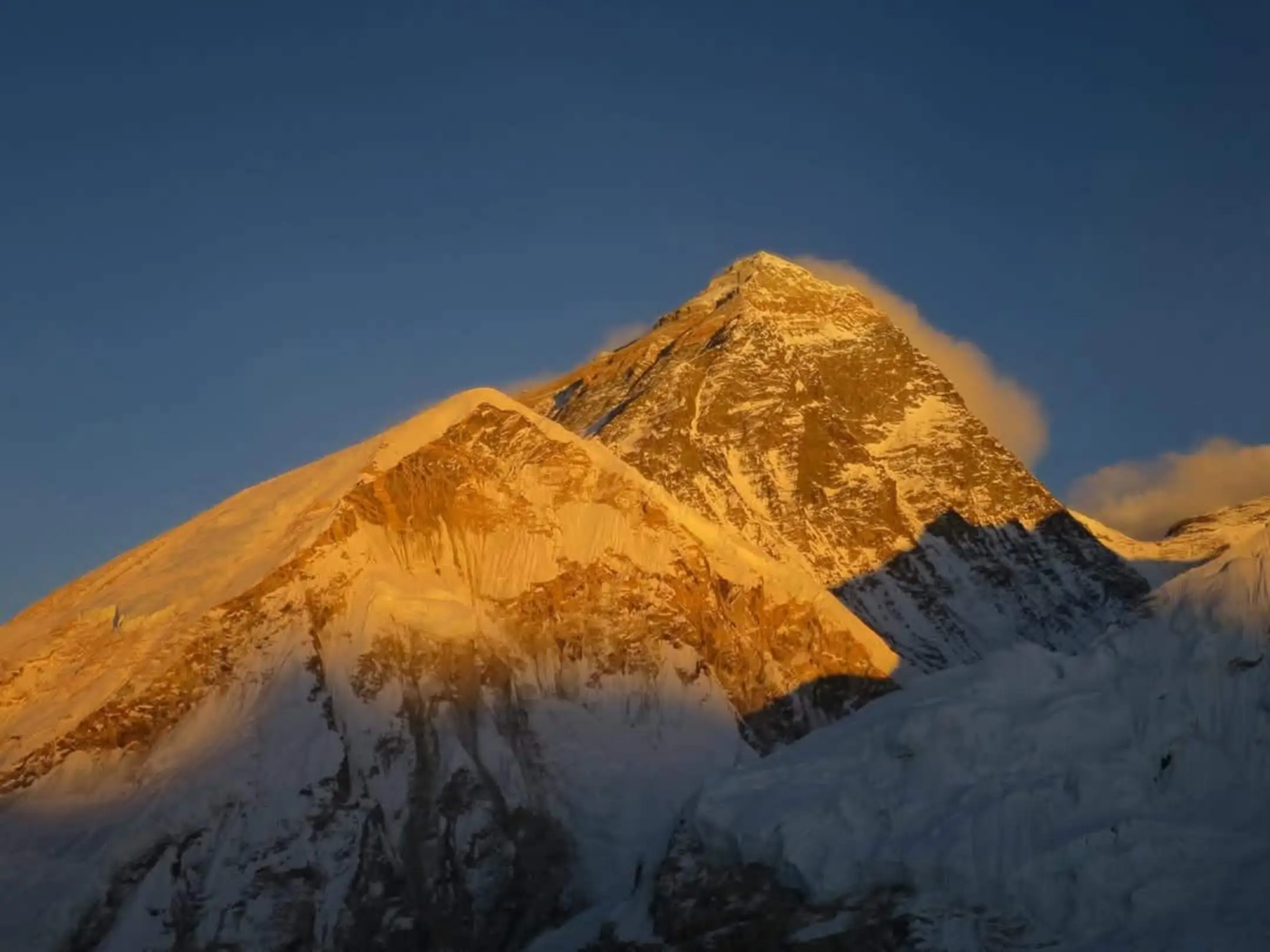
The Everest Region, also known as the Khumbu, is Nepal's most internationally recognized trekking area and home to the world's highest mountain, Mount Everest (8,848.86m). The region combines high-altitude Himalayan scenery with authentic Sherpa villages, ancient Buddhist monasteries, established teahouse trails, and classic routes leading toward Everest Base Camp, Gokyo Lakes, and the high mountain passes.
2. Annapurna Massif Region
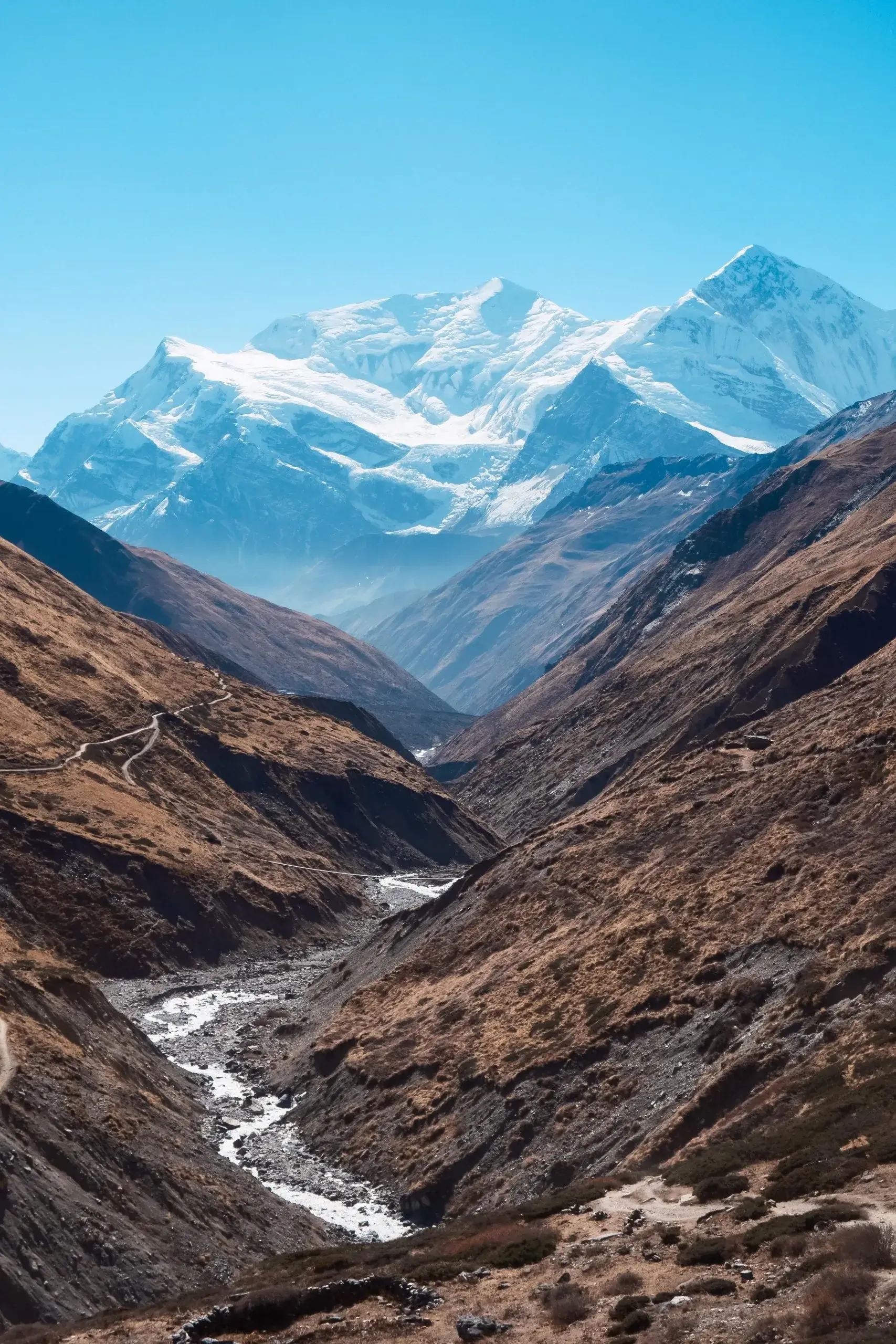
The Annapurna Region is famous for offering the greatest geographical diversity in Nepal within a single trekking area. From subtropical banana groves and dense rhododendron forests to the high-altitude glacial basin of Annapurna Sanctuary and the dry Tibetan-style rain-shadow of Manang, Annapurna caters to both first-time hikers and veteran mountaineers.
3. Langtang Valley Region
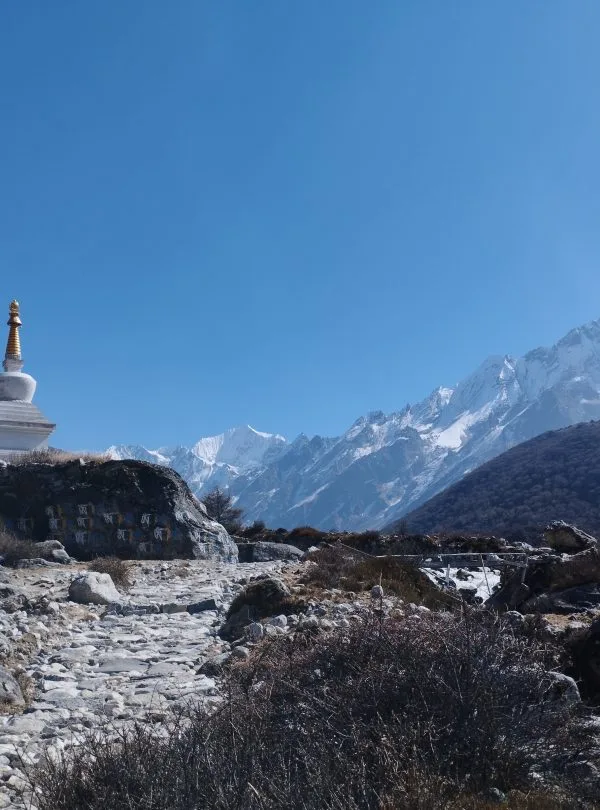
Located directly north of Kathmandu, Langtang is Nepal's most accessible high-altitude Himalayan region. Known as the "Valley of Glaciers", it combines rich Tamang Buddhist culture, alpine meadows, pristine yak pastures, and sacred high-altitude alpine lakes like Gosaikunda without requiring domestic flights.
4. Manaslu Circuit Region
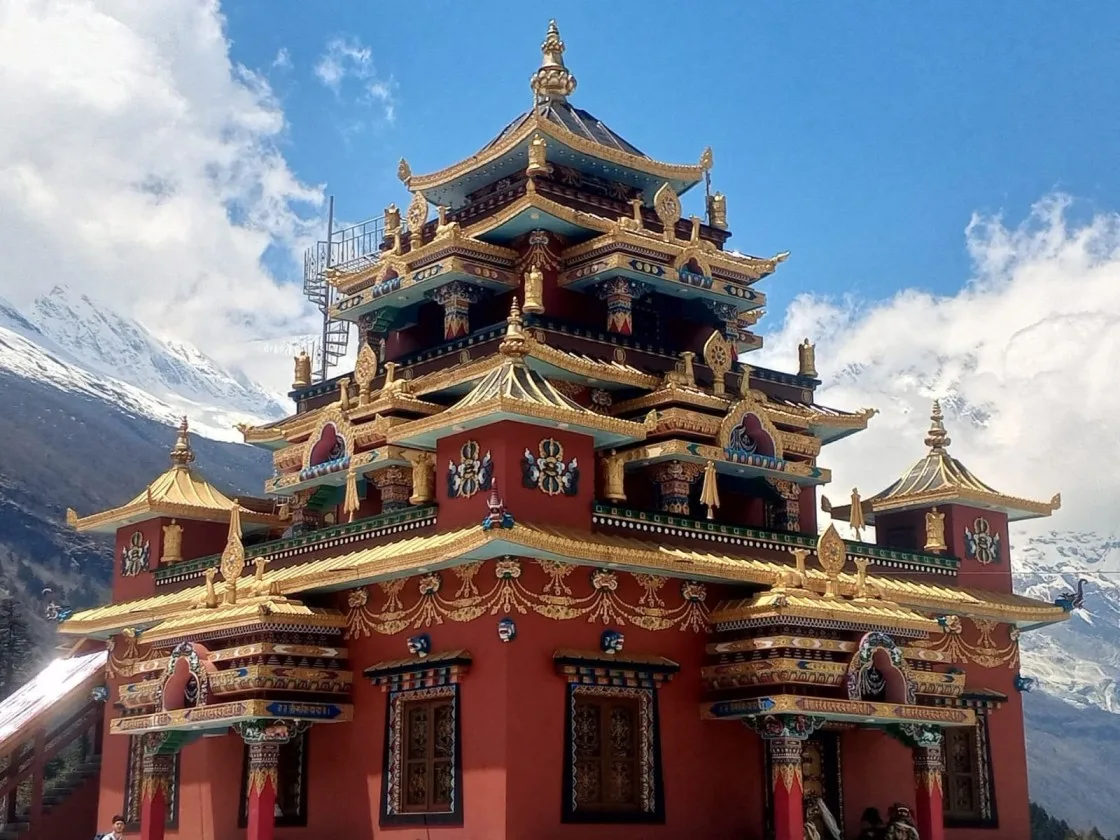
The Manaslu Region offers a pristine restricted-area alternative to the crowded Annapurna Circuit. Circumnavigating Mount Manaslu (8,163m)—the world's 8th highest mountain—this region preserves ancient Tibetan Buddhist culture, dramatic gorge scenery, authentic stone-house villages, and the high Larkya La pass.
5. Mustang Region (Upper & Lower)
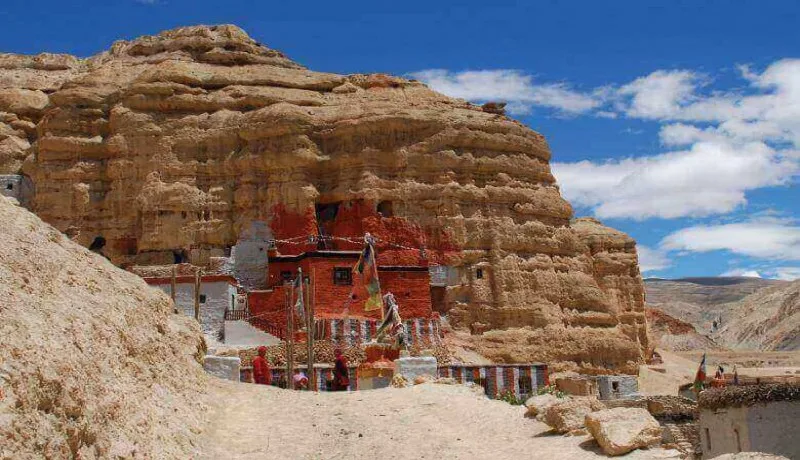
Located in the rain shadow of the Annapurna and Dhaulagiri massifs, Mustang is a dry Himalayan desert region resembling the Tibetan plateau. It is divided into Lower Mustang (pilgrimage site of Muktinath & Jomsom) and Upper Mustang—a restricted former Buddhist kingdom centered around the walled city of Lo Manthang.
6. Kanchenjunga Region
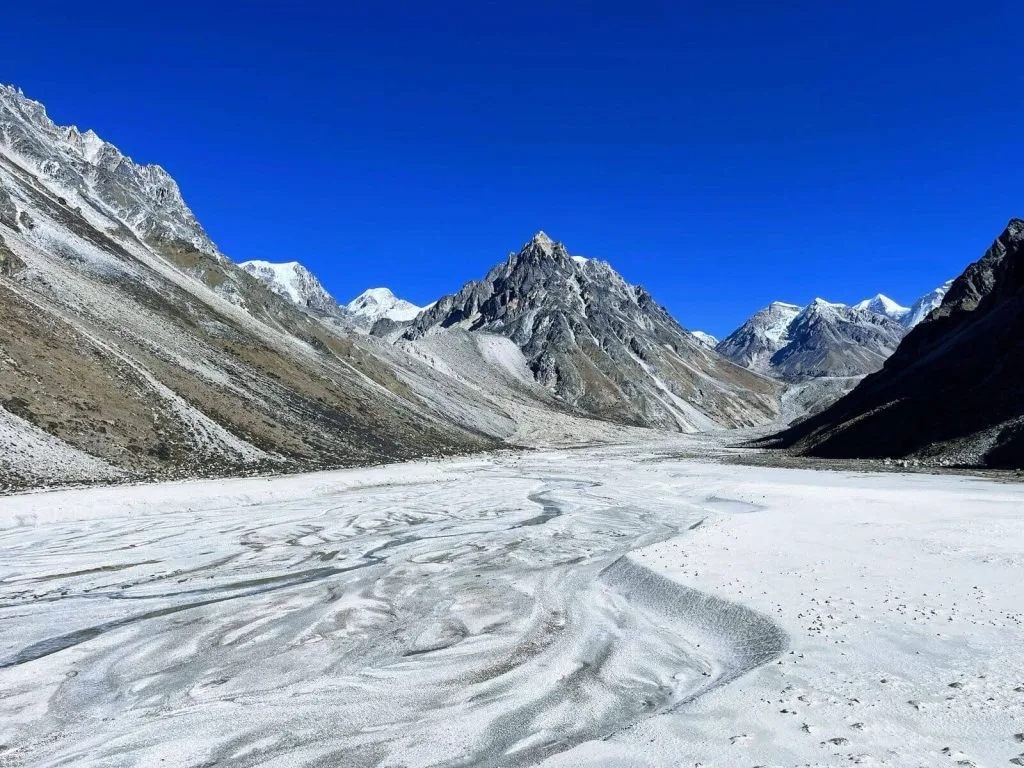
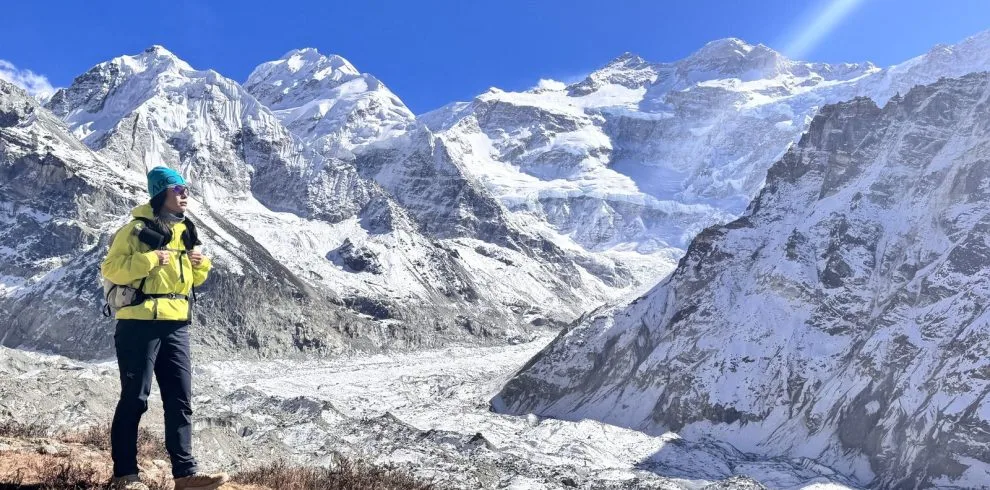
Dominating the far eastern border of Nepal, Kanchenjunga is the world's 3rd highest mountain (8,586m). This region offers a long, remote wilderness experience leading to both North (Pangpema) and South (Yalung) Base Camps, surrounded by ancient rhododendron forests and quiet Limbu villages.
7. Makalu Region
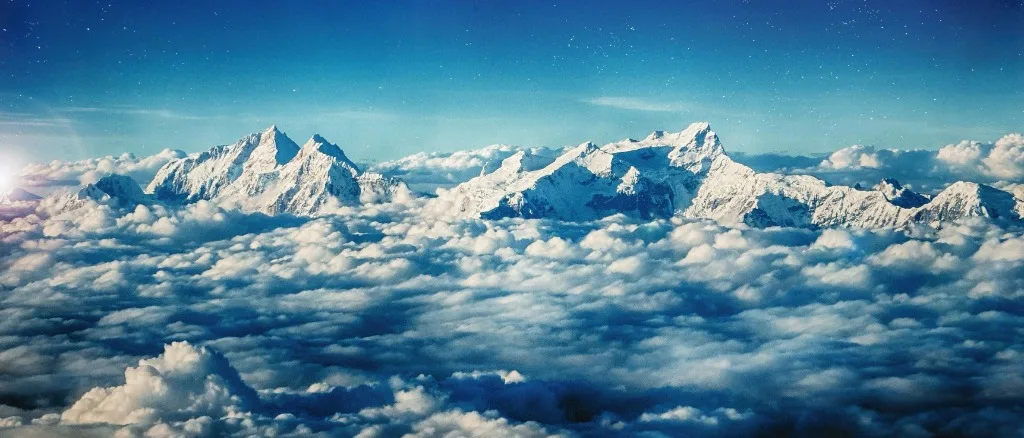
The Makalu Region encompasses the pristine Arun Valley and Barun River Gorge leading up to Mount Makalu (8,485m)—the world's 5th highest peak. Renowned for its rare flora, snow leopards, and steep granite cliffs, Makalu Base Camp is an demanding expedition for experienced trekkers.
8. Dolpo Region (Upper & Lower)
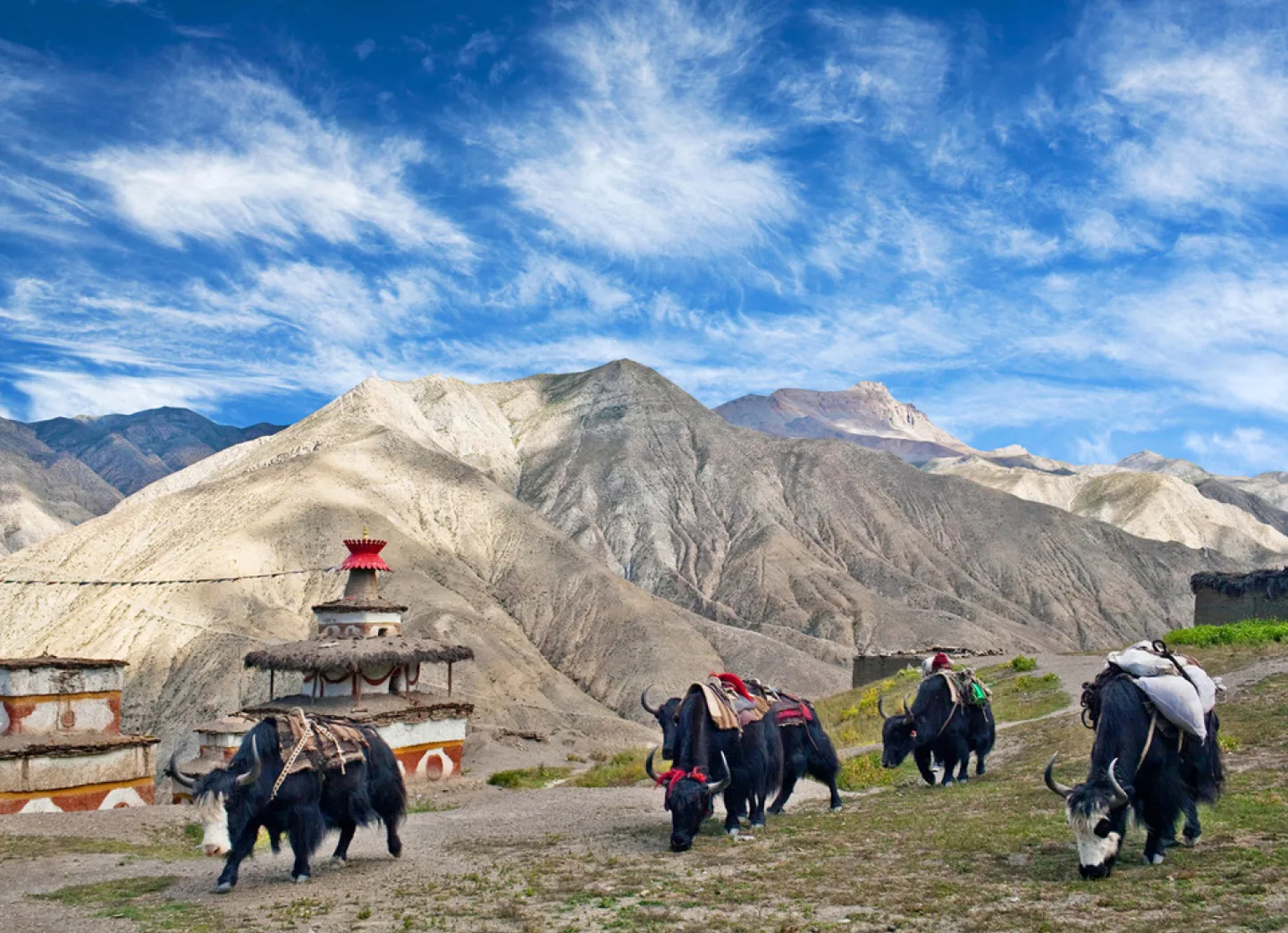
Immortally documented in Peter Matthiessen's "The Snow Leopard", Dolpo is Nepal's ultimate trans-Himalayan wilderness. Featuring deep turquoise Lake Phoksundo, ancient Bon monasteries, high alpine passes, and authentic Tibetan caravan routes.
9. Rolwaling Region
Nestled west of Everest under the shadow of holy Mount Gaurishankar (7,134m), Rolwaling is a steep alpine valley rich in Sherpa folklore. Crossing Tso Rolpa glacial lake and technical Tashi Lapcha Pass (5,755m) connects Rolwaling directly into the Khumbu region.
10. Rara Lake & Far-Western Nepal
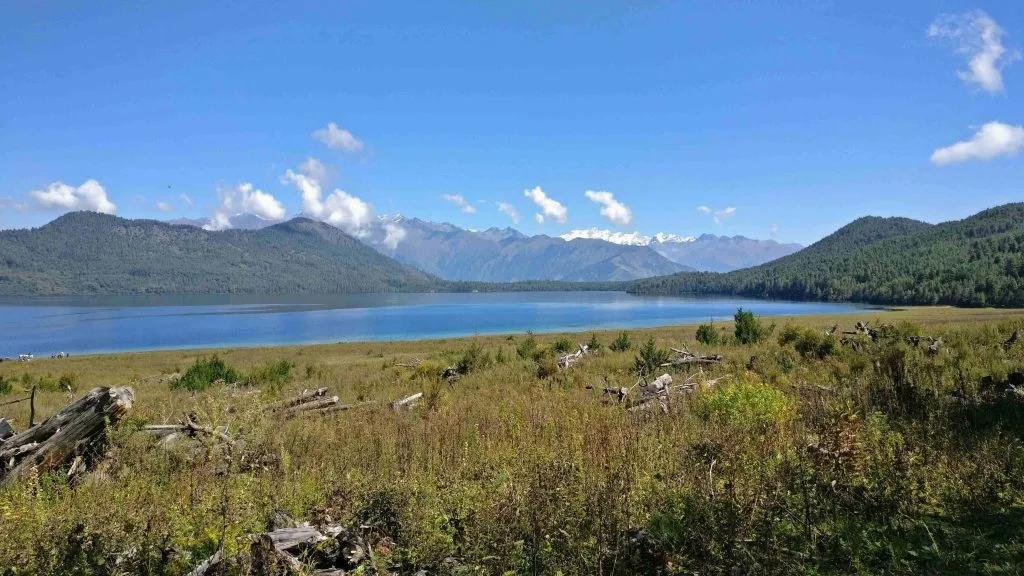
Far-Western Nepal is the country's most pristine wilderness frontier. Centered around Rara Lake—Nepal's largest freshwater lake at 2,990m—and extending to Khaptad plateau and Api/Saipal base camps, this area offers pine-forested solitude far removed from commercial trails.
Which Part of Nepal Should You Trek? (By Style)
For First-Time Trekkers
Regions with reliable teahouses, clear trail markers, and manageable altitude progression.
Recommended: Annapurna Foothills, Everest View, Langtang Valley.For Experienced Adventurers
High-pass crossings over 5,000 meters requiring endurance and mountain safety skills.
Recommended: Everest Three Passes, Manaslu Circuit, Kanchenjunga.For Rich Cultural Immunity
Deep immersion in Sherpa, Tamang, Gurung, and ancient Tibetan Buddhist heritage.
Recommended: Upper Mustang, Tsum Valley, Tamang Heritage Trail.For Remote Untouched Wilderness
Minimal commercial foot traffic, camping logistics, and total mountain solitude.
Recommended: Upper Dolpo, Makalu Base Camp, Rolwaling Valley.Best Trekking Regions in Nepal by Season
| Season | Months | Weather & Trail Conditions | Recommended Regions |
|---|---|---|---|
| Spring | March – May | Rhododendron blossoms, warming temps, crystal clear morning views | Everest, Annapurna, Langtang, Manaslu, Kanchenjunga |
| Summer / Monsoon | June – August | Rain in main valleys; arid rain-shadow regions remain dry and clear | Upper Mustang & Upper Dolpo |
| Autumn | September – November | Peak season; sharp mountain visibility, stable dry weather | All Trekking Regions across Nepal |
| Winter | December – February | Crisp clear skies; heavy snow on high passes over 5,000m | Lower Annapurna, Ghorepani, Everest Short Treks, Langtang |
Trekking Routes Directory by Region
Everest Region
Annapurna Region
Manaslu & Langtang
Everest vs Annapurna: Which Region Should You Choose?
The two most famous trekking regions in Nepal offer distinct advantages depending on your travel goals:
- Your lifelong dream is seeing Mount Everest in person
- You want pure, high-altitude alpine terrain over 4,000m
- You wish to experience traditional Sherpa hospitality & monasteries
- You are comfortable taking a mountain flight to Lukla
- You want maximum landscape variety (forests to arid passes)
- You prefer flexible overland transport without domestic flights
- You want options ranging from 3-day hikes to 2-week circuits
- You want highly comfortable teahouses & varied menus
What Our Guides Say About Each Region
"The Khumbu is busy during October, but once you branch off toward the Gokyo Lakes or cross Cho La Pass, you get pure Himalayan silence surrounded by 8,000m giants."
"Manaslu gives trekkers what the Annapurna Circuit was 20 years ago—authentic stone villages, zero road noise for days, and a breathtaking crossing over Larkya La."
"Upper Mustang is like entering another world. The red clay canyons, ancient cave dwellings, and preserved Tibetan culture in Lo Manthang make it ideal during monsoon season."
Frequently Asked Questions About Trekking Regions in Nepal
Not Sure Which Nepal Trekking Region Is Right for You?
Tell us how many days you have, your preferred scenery, fitness level, and travel dates. Our Kathmandu-based trekking specialists will help you compare regions and customize an itinerary that fits your trip.