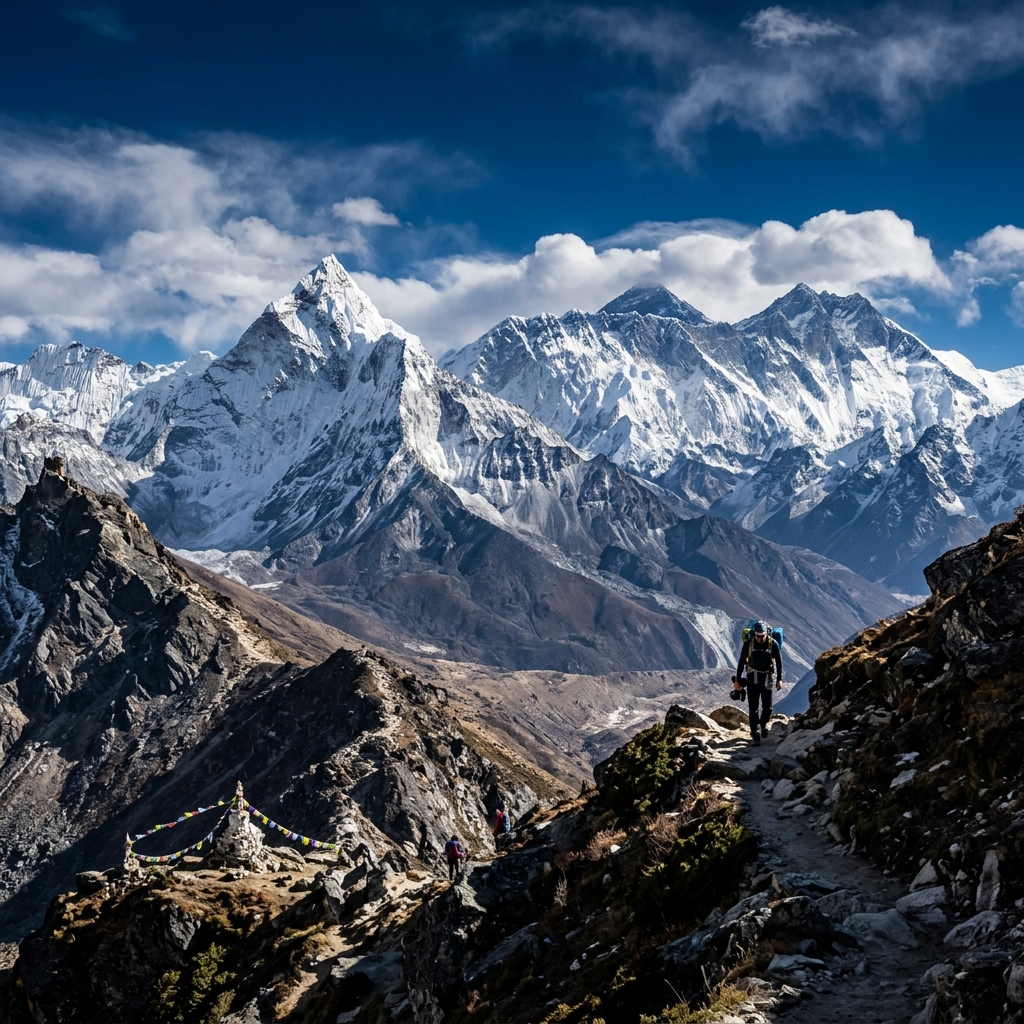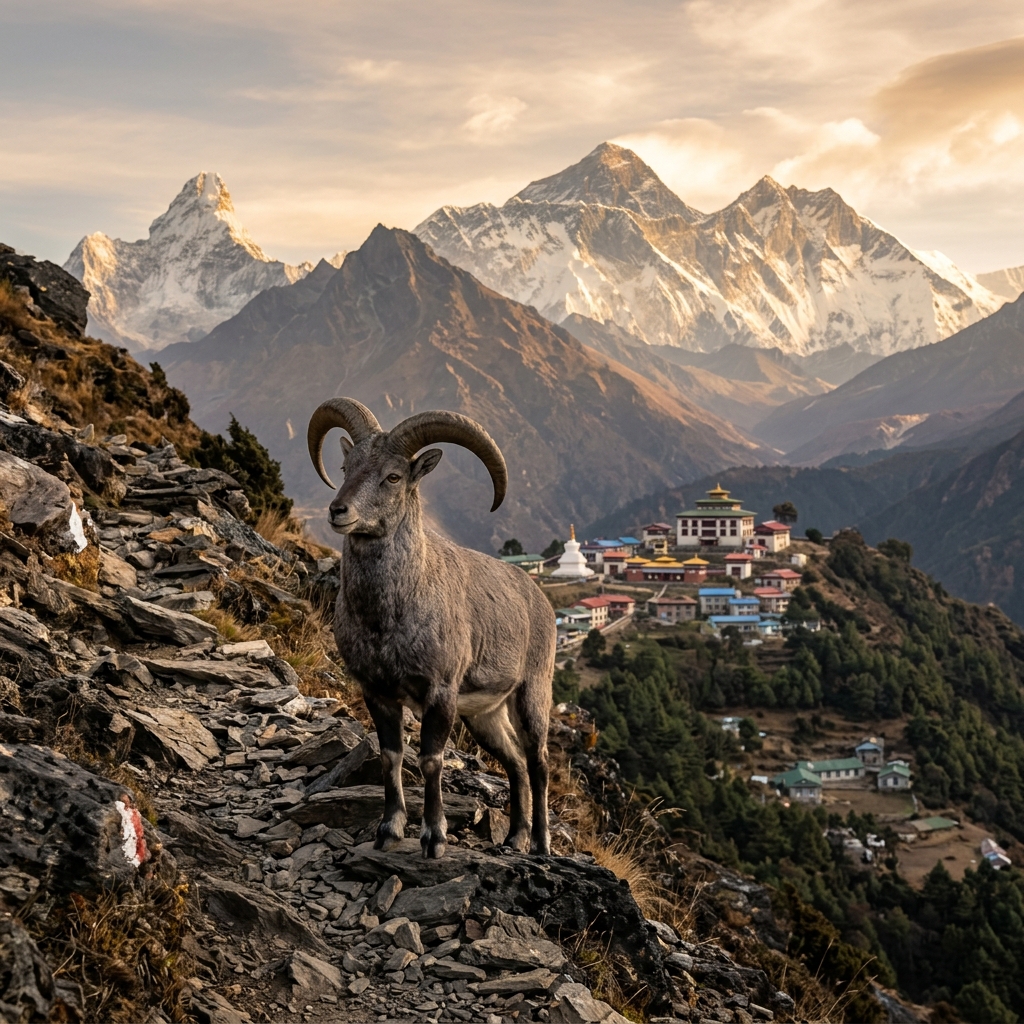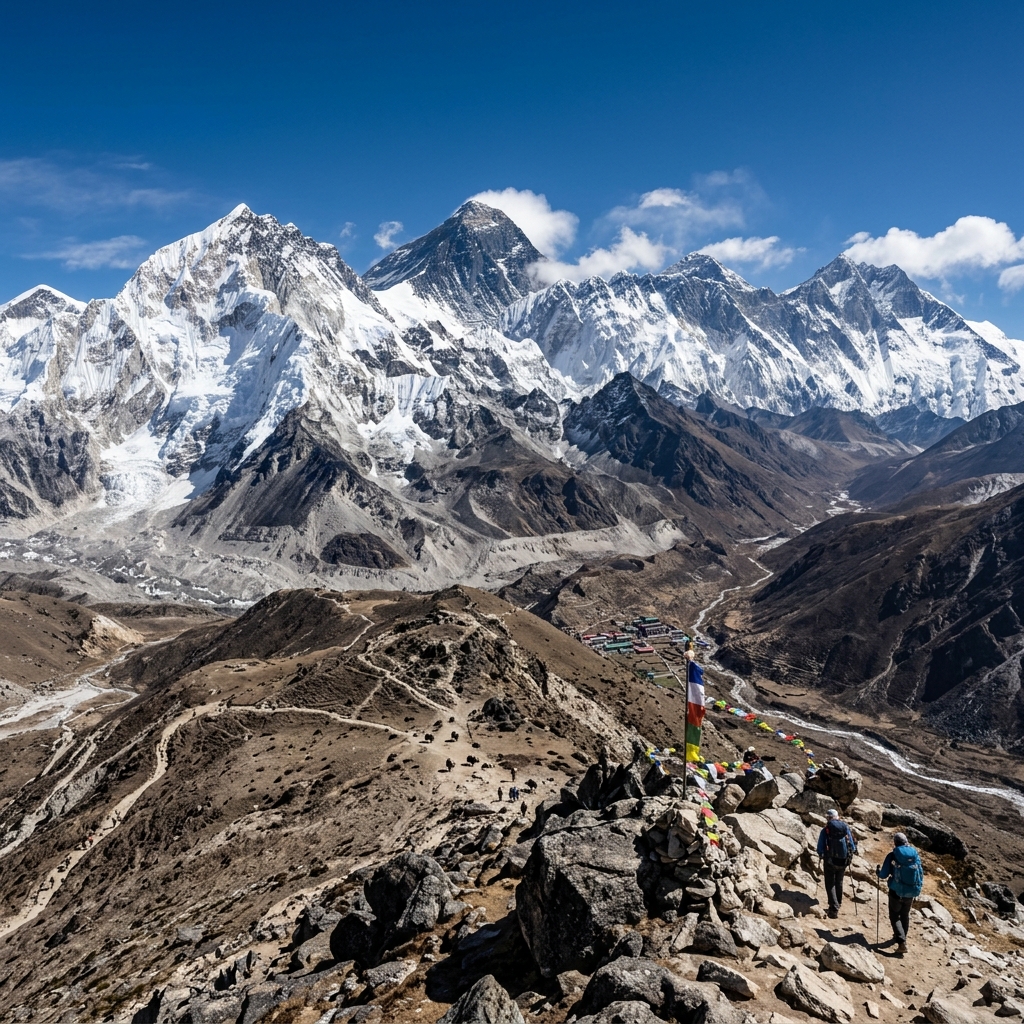
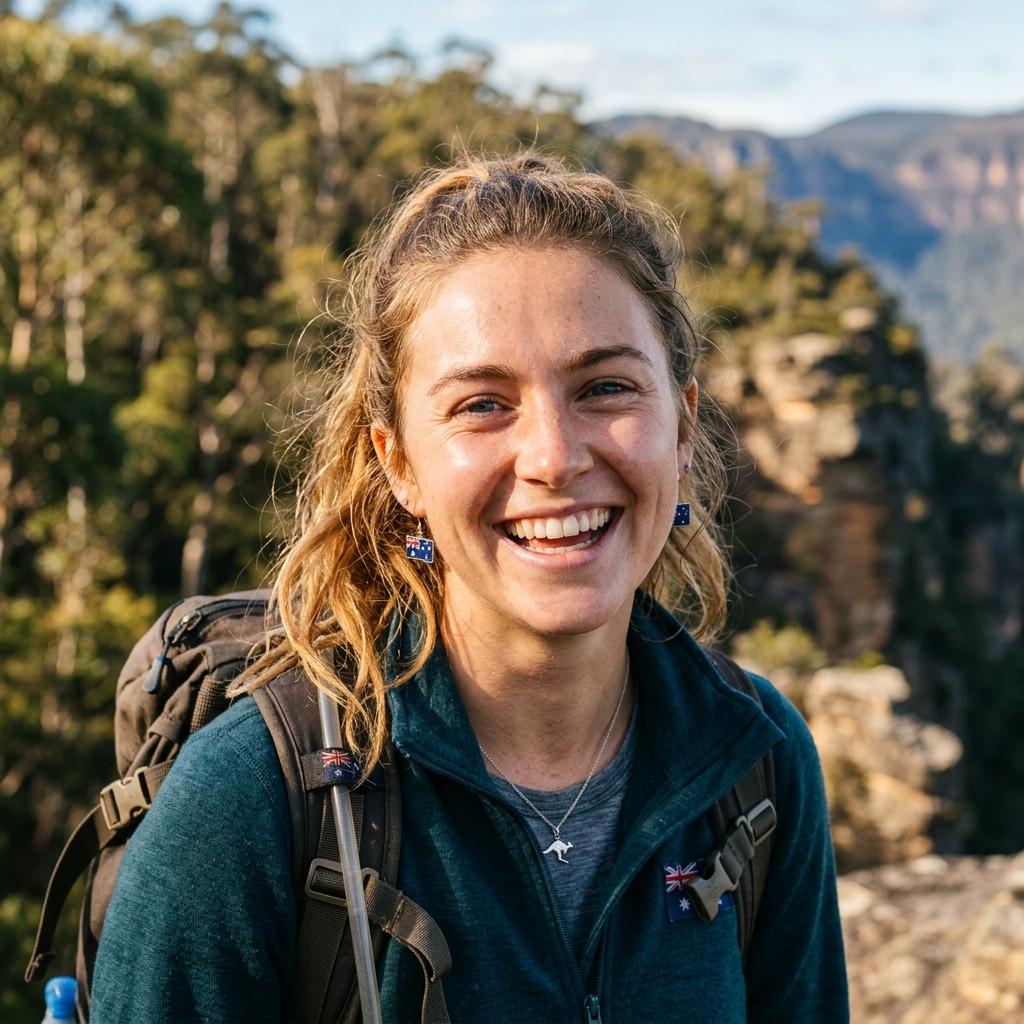
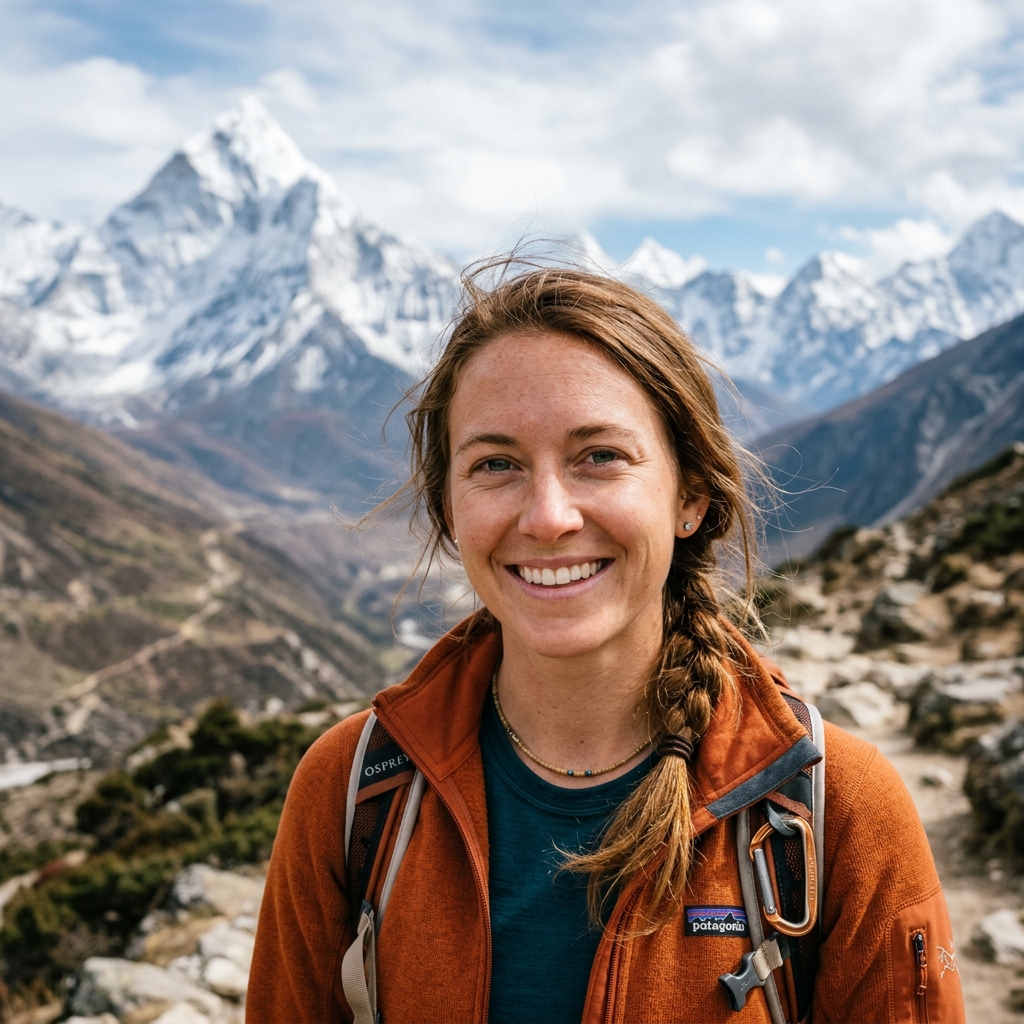
Our Lower Mustang Trek (8 Days) with Igloo Himalaya Treks went beyond every expectation we had. What first pulled us towards them was their strict safety protocol and personal care. From start to finish, Sagar and our expert team made sure our Lower Mustang Trek was comfortable, safe, and well acclimatized every single day!
Mustang Region • Kingdom of Lo & Sky Caves
5.0
reviews on TripAdvisor
5.0
169 reviews on Google
Lower Mustang Trek
Walk through the wind-carved Kali Gandaki valley to Muktinath temple (3,800m), medieval stone villages, and famous Marpha apple orchards.
Travelers' Choice
Best of the Best 2026
Key Trip Facts
Duration
8 days
Difficulty
Moderate
Max Altitude
3,800 m (12,467 ft)
Destination
Nepal
Activity
Trekking
Accommodation
Hostels & Guesthouses
Transport
Domestic Mountain Flight & Private Vehicle
Meals
B.D.L.
Season
Sep-October & Mar-May
Trek Starts
Lukla
Trek End At
Lukla
Trek Region
Mustang
Package Start Point
Kathmandu
Package End Point
Kathmandu
Trek Overview
The 8 days Lower Mustang Trek (8 Days) is one of the most remarkable and rewarding trekking journeys in the Mustang region of Nepal. Explore Lower Mustang, the holy shrines of Muktinath (3,800m), ancient Kagbeni, and the world’s deepest gorge along the Kali Gandaki in an accessible 8-day itinerary.
Key highlights of this journey include exploring traditional indigenous villages, crossing scenic passes with breathtaking panoramas of soaring Himalayan massifs, experiencing genuine mountain teahouse hospitality, and following carefully paced acclimatization stages planned by the expert Sherpa team at Igloo Himalaya Treks.
Want to know more about this trek?
Chat with us — real trekking experts, not bots.
Replies within 6–7 hours
Lower Mustang Trek (8 Days) Highlights
These are the defining landmarks and unforgettable cultural and mountain moments our trekkers praise season after season on this classic route:
Visit the sacred pilgrimage shrine of Muktinath (3,800m), holy to both Hindus and Buddhists
Wander through the 500-year-old medieval stone-paved alleys of Kagbeni village
Walk alongside the world’s deepest river gorge carved by the Kali Gandaki River
Taste world-famous fresh apple pies, cider, and brandy in the charming village of Marpha
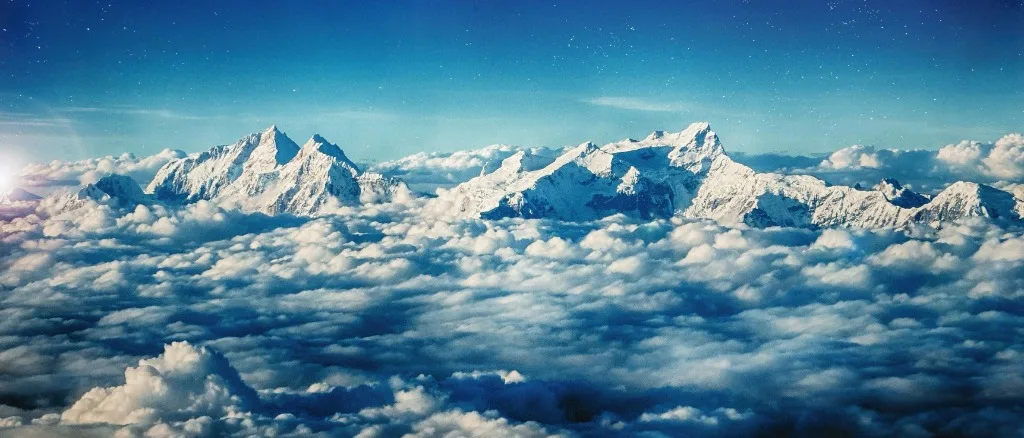
Spectacular flight through the mountain gap between Dhaulagiri (8,167m) and Annapurna I (8,091m)
Soak tired muscles in the natural thermal mineral hot springs of Tatopani
Standard ACAP and TIMS permits only — NO $500 restricted area permit required
Excellent beginner and family-friendly Himalayan trekking route
Why Book the Lower Mustang Trek with Igloo Himalaya Treks?
Most operators in Kathmandu can get you to base camp. The difference is in what happens around the trek — before you arrive, during the harder days, and when something doesn’t go to plan. These are the things our guests from across the world keep writing about in their TripAdvisor reviews as what actually mattered to them. We’re currently ranked #2 out of more than 2,900 trekking agencies in Nepal on TripAdvisor — a position we don’t take lightly, and one that comes from genuinely hard work on every single trip rather than marketing.
Guides with deep Upper Mustang expertise
not seasons, years. Sujan, Sharad, Bishal, Sandip, Biraj, Prem — these names appear over and over in our reviews because they’re the same faces returning every season. They know the walled capital of Lo Manthang, ancient cave monasteries, and how to navigate the trans-Himalayan plateau with maximum comfort and cultural insight. Make sure you read our reviews before booking the trek
100% guaranteed departures
Every date on our calendar runs, with no minimum group size required. If you book a solo private trek, it still runs as a solo private trek. We don’t cancel you off a date because the numbers didn’t work out.
You see your group before you arrive
Through our client portal you can check who else is on your departure — names, ages, countries — so there’s no awkward first meeting in the office. Most of our group trekkers message each other on WhatsApp before they fly out.
A real pre-trek briefing at the office
You sit down at our office in NayaBazar with your guide and walk through the route, altitude protocol, packing check, weather forecast, and anything else on your mind. It’s usually 60 to 90 minutes. Most clients tell us this is where the trip stops feeling abstract.
24/7 replies from real people you'll meet
Lal, Kamal and Hemlal handle pre-trek messages personally — not a chatbot, not a shift worker. On WhatsApp during Nepal hours we usually reply within minutes; overnight, within a few hours. Once you’re on the trail, your guide carries a working SIM and we can be reached through them.
Private airport pickup and drop-off, included
A driver with a name card of Igloo Himalaya Treks meets you at Tribhuvan International, takes you to your hotel, and the same arrangement gets you back at the end. No queueing for a prepaid taxi after a 14-hour flight.
Sleeping bag and down jacket rentals at the office
USD 15 each for the trip. Trekking poles, crampons, and other gear available to buy at reasonable prices. If you arrive with nothing but boots, we can have you fully kitted out the morning before departure.
Complimentary Igloo Himalaya Treks-branded waterproof duffle bag
when you book with a porter (returned after the trek). It’s sized to fit the 20 kg porter weight limit so you don’t have to think about packing geometry.
A booking system that doesn't bury you in emails
Book and pay by card, upload your passport scan, insurance PDF, and flight details directly through app.igloohimalayatreks.com. Update your inbound flight up to the day before — you don’t have to email us each time something changes. We built it ourselves around how we actually run trips, and it’s the piece of our operation we’re most quietly proud of.
24/7 emergency support from a local team that picks up
When something goes wrong on the trail — a sudden altitude issue, a teahouse mix-up, a flight cancellation back home you need to work around — you don’t wait. Message us on WhatsApp and someone in our Kathmandu office picks it up immediately, day or night. Because we’re local, we can act on it the same hour: re-route, re-book, send a horse, arrange a helicopter — whatever the situation actually needs.
Lower Mustang Trek (8 Days) Itinerary: Day by Day Details
Our authentic 8 days Lower Mustang Trek (8 Days) itinerary is expertly paced for safe acclimatization and panoramic mountain vistas. Review the full day-by-day stages, distances, elevations, and overnight stops below:
Day 1: Drive or Fly Kathmandu to Pokhara (820m)
Pokhara – 820 m / 2,690 ft – 25 min flight / 6 hrs drive
Trek/Travel time: 25 min flight / 6 hrs drive
Accommodation: Traditional Mountain Teahouses
Distance: 200 km
Scenic journey to Pokhara. Afternoon leisure along the banks of Phewa Lake overlooking the Annapurna range.
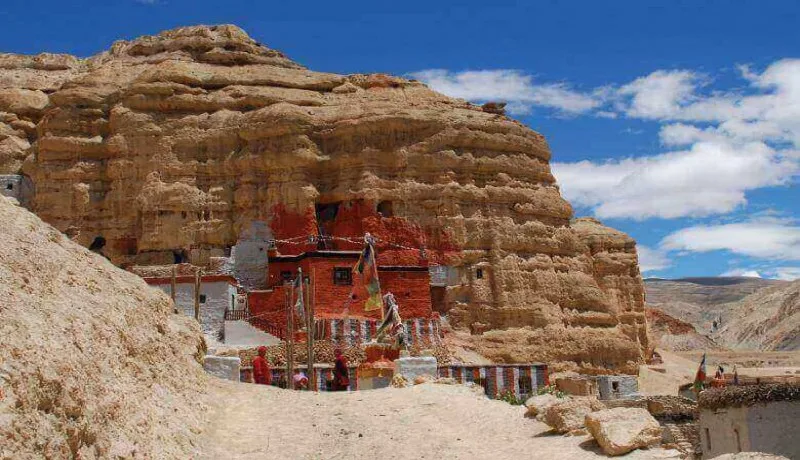
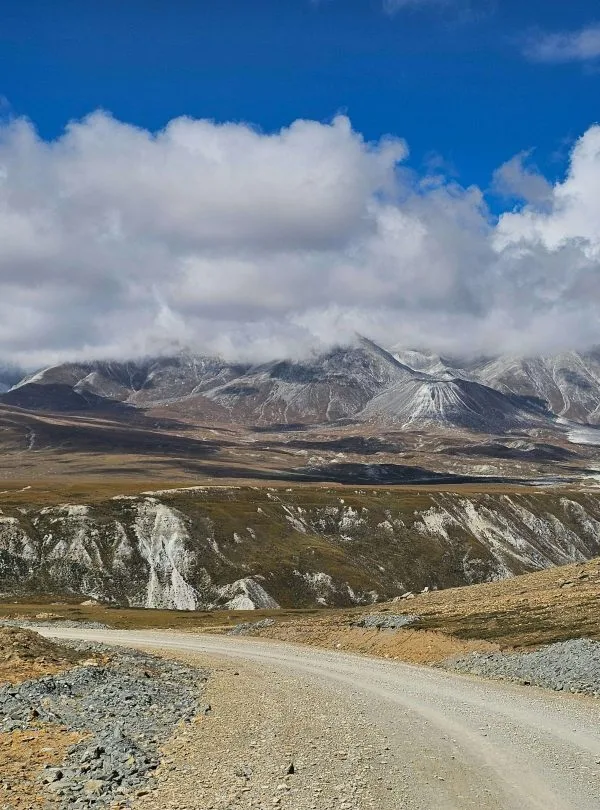
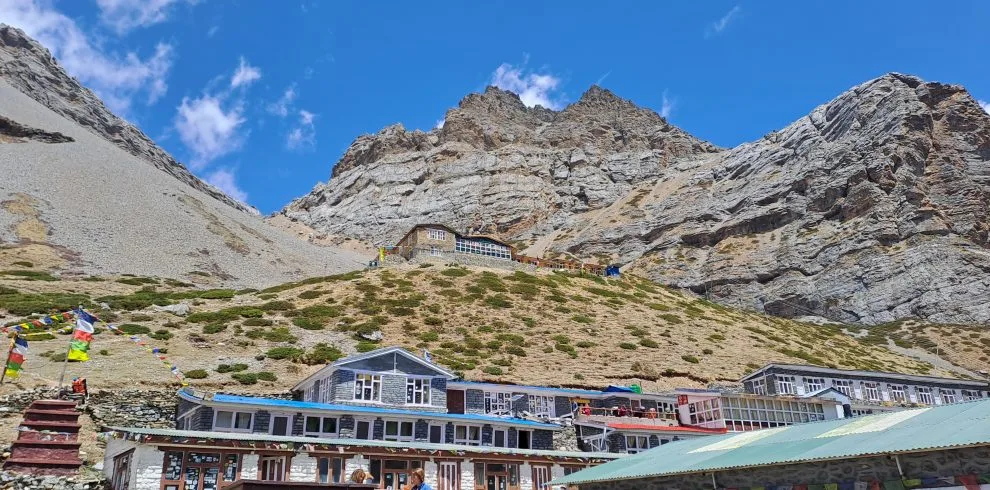
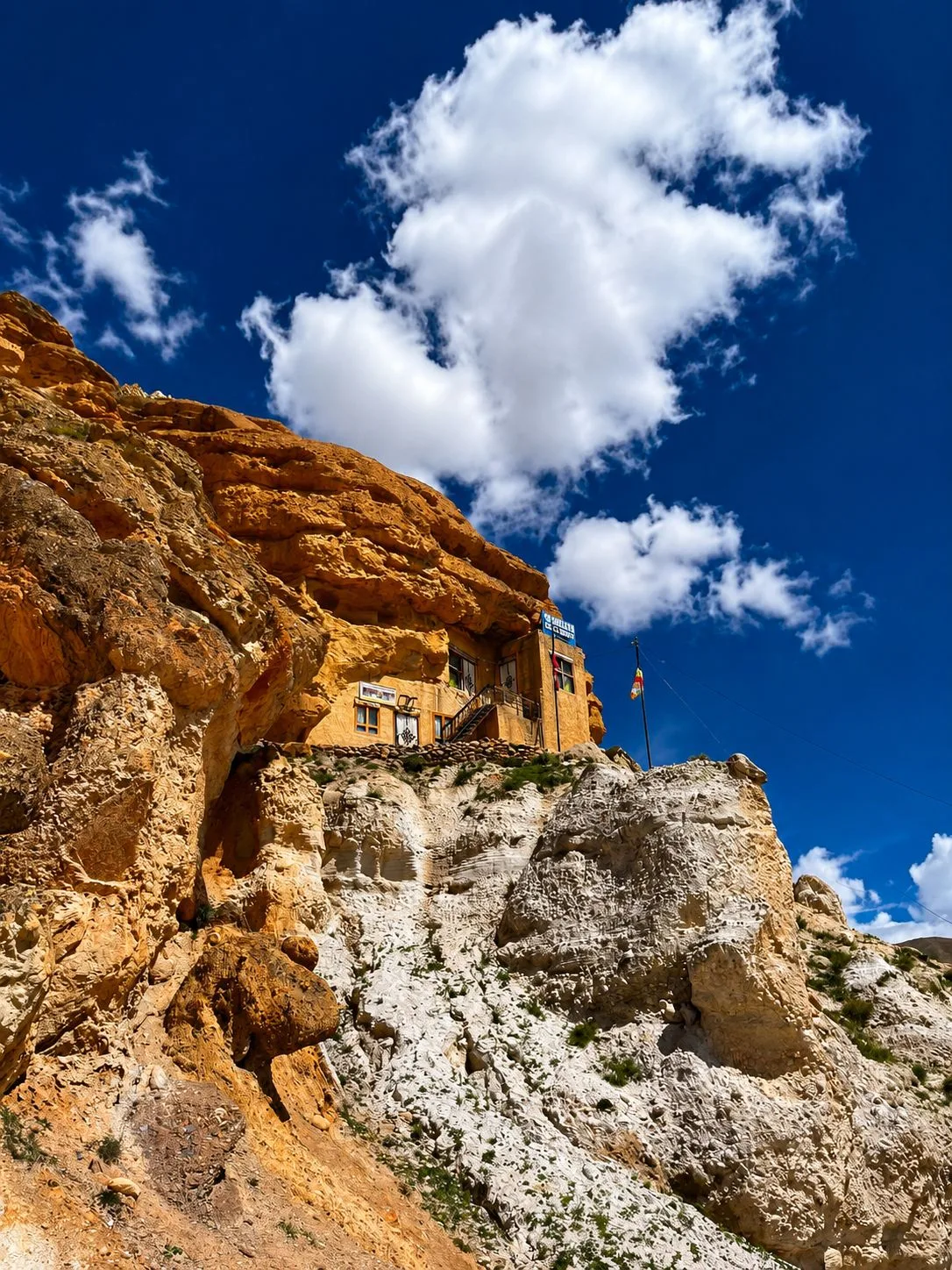
Day 2: Mountain Flight Pokhara to Jomsom (2,720m) & Trek to Kagbeni (2,810m)
Kagbeni – 2,810 m / 9,219 ft – 20 min flight + 3.5 hrs walk
Trek/Travel time: 20 min flight + 3.5 hrs walk
Accommodation: Traditional Mountain Teahouses
Distance: 10.5 km
Spectacular early morning flight to Jomsom. Trek along the wide Kali Gandaki riverbed to Kagbeni, a historic fortified village on the salt trade route.
Day 3: Trek Kagbeni to Muktinath (3,800m) via Jharkot
Muktinath – 3,800 m / 12,467 ft – 4-5 hrs
Trek/Travel time: 4-5 hrs
Accommodation: Traditional Mountain Teahouses
Distance: 11 km
Ascend steadily through arid scrubland to Jharkot village with its ancient monastery. Continue to Muktinath, sacred for its 108 eternal water spouts and continuous natural gas flame.
Day 4: Explore Muktinath & Trek downhill to Marpha (2,670m)
Marpha – 2,670 m / 8,760 ft – 5-6 hrs
Trek/Travel time: 5-6 hrs
Accommodation: Traditional Mountain Teahouses
Distance: 16 km
Morning visit to Muktinath temple. Descend past Jomsom into the whitewashed cobblestone streets of Marpha, famed for apple orchards and stone drainage canals.
Day 5: Trek Marpha to Kalopani (2,530m)
Kalopani – 2,530 m / 8,301 ft – 5-6 hrs
Trek/Travel time: 5-6 hrs
Accommodation: Traditional Mountain Teahouses
Distance: 15 km
Follow the Kali Gandaki river southward as the landscape transforms from arid plateau into lush pine forests. Enjoy jaw-dropping views of Dhaulagiri and Annapurna I.
Day 6: Trek Kalopani to Tatopani (1,190m) & Natural Hot Springs
Tatopani – 1,190 m / 3,904 ft – 5-6 hrs
Trek/Travel time: 5-6 hrs
Accommodation: Traditional Mountain Teahouses
Distance: 17 km
Descend through the narrowest section of the gorge past the dramatic Rupse Chhahara waterfall. Arrive in Tatopani and soak in the riverside natural hot springs.
Day 7: Scenic Drive Tatopani to Pokhara (820m)
Pokhara – 820 m / 2,690 ft – 4-5 hrs drive
Trek/Travel time: 4-5 hrs drive
Accommodation: Traditional Mountain Teahouses
Distance: 95 km
Private transfer along the river highway past Beni to Pokhara. Afternoon at leisure for lakeside massages and shopping.
Day 8: Return to Kathmandu & International Departure
Kathmandu – 1,400 m / 4,593 ft – 25 min flight / 6 hrs drive
Trek/Travel time: 25 min flight / 6 hrs drive
Accommodation: Traditional Mountain Teahouses
Distance: 200 km
Fly or drive back to Kathmandu. Connect with your flight home or extend your stay in Nepal.
Not satisfied with this Itinerary?
Are you interested on planning custom trip? It only takes 2 minutes.
What's Included in the Lower Mustang Trek (8 Days)
All Transportation & Flights
Domestic Mountain Flight & Private Vehicle as outlined in the detailed itinerary.
All Official Permits & Restricted Fees
Annapurna Conservation Area Project (ACAP) permit and TIMS registration card.
Licensed Guide & Support Crew
Certified Wilderness First Aid trained lead guide and local mountain porters (1 porter per 2 trekkers, max 20 kg total) with full insurance and warm mountain gear.
Accommodations on Route
Traditional Mountain Teahouses throughout the expedition.
Full Board Wholesome Meals
Three hot meals a day (Breakfast, Lunch, Dinner) during the journey, plus celebratory Welcome/Farewell dinners in Kathmandu.
Expedition Gear & Duffel Bag
Complimentary down jacket and 4-season (-20°C) sleeping bag rental upon request, plus official Igloo Himalaya Treks waterproof duffel bag.
What's Excluded
International Flights & Nepal Visa
International flights to/from Kathmandu and Nepal tourist entry visa fees ($30 for 15 days, $50 for 30 days).
Emergency Rescue Insurance
Comprehensive travel insurance covering high-altitude trekking and emergency helicopter rescue up to 3,800 m (12,467 ft).
Personal Expenses & Hot Showers
Device battery charging, hot bucket showers, Wi-Fi cards, and personal snacks/beverages.
Crew Gratuities (Tips)
Customary tips for your lead guide, camp chef, and porter/mule drivers reflecting exceptional service.
Booking Dates & Availability for Lower Mustang Trek (8 Days)
05
AUG
Aug 5 – Aug 18, 2026
AVAILABLE$1,499 pp
09
AUG
Aug 9 – Aug 22, 2026
AVAILABLE$1,499 pp
13
AUG
Aug 13 – Aug 26, 2026
AVAILABLE$1,499 pp
17
AUG
Aug 17 – Aug 30, 2026
AVAILABLE$1,499 pp
21
AUG
Aug 21 – Sep 3, 2026
AVAILABLE$1,499 pp
Packing List for Lower Mustang Trek
Essential Info: Don’t have it? Rent it with us — USD 1/day per item
Printable PDF
Check off items as you pack them. Your packing state is saved automatically in your browser!
Hiking Gear (11 items)
Trekking Poles
Trail stabilizers, save those knees downhill! • 1 pair
Backpack
With porter 25–35L, going solo 40–60L • 1
Reusable Water Bottles
Hydrate — and hug at night when it’s filled with hot water! • 1
MicroSpikes
Grip it, handle icy paths like a boss • 1 pair
Trekking Boots
Boots for support, trail runners for pros • 1 pair
Headlamp
Keeps hands free — early hikes and midnight nature calls! • 1
Dry Bag / Zip-Lock Bags
Stay organized and stash the stinky • 1
Rain Cover for Backpack
Shields your bag from rain and rough rides! • 1
Sunglasses
Lose one, break one, still look cool • 2 pairs
Sun Hat / Cap
Shield your face — no one likes a sunburned selfie • 1
Packing Organizers
Tame your packing chaos like a pro-level trekker • 1
Garments (19 items)
Base Layer Set (Thermal)
A thermal hug for windy ridges • 2
Fleece / Microfiber Jacket
Like a wearable hug — light, warm, essential • 1
Quick-Dry Tees (Merino)
Sweat less, smell less, hike more • 3
Quick-Dry Pants
Dries fast — cross rivers, dodge rain • 1
Trekking Pant (Soft Shell)
Built for Nepal’s trails, tough and comfy • 1
Trekking Pant (Hard Shell)
Bring the big guns for snow and storm duty • 1
Windbreaker Jacket
Windproof your journey without packing bulk • 1
Waterproof Jacket
Because soggy trekkers aren’t happy trekkers • 1
Waterproof Pant
Wet pants? No thanks — bring these just in case • 1
Down Jacket
Your puffy cloud for chilly dawns and nights • 1
Cosy Outfit for Teahouses
Trade hiking boots for this once you’re in the teahouse • 1 set
Socks (Liner / Trekking)
Happy feet = happy trek. Bring extras! • 6 pairs
Gloves — Liner
Wear under gloves or for chilly tea stops • 1 pair
Gloves — Windproof
Block those winds sweeping down from the peaks • 1 pair
Woolen Hat
Block out wind and keep your brain warm • 1
Beanie
Extra warmth while sipping tea in the yard • 1
Neck Gaiter
Neck protector, face warmer, and style icon in one • 1
Under Garments
Laundry day is rare — pack backups! • 3
Bra
Supportive and breathable for long trail days • 3
Sleeping (5 items)
Sleeping Bag
Sleep snug — from stars to teahouse beds • 1
Sleeping Bag Liner
Add warmth and avoid funky smells • 1
Earplugs
Snorers in the next room? Problem solved • 2 sets
Travel Pillow
Nap like royalty, even in the Himalayas • 1
Eye Mask
Sun’s up? Not till you are • 1
Toiletries & Hygiene (16 items)
Microfiber Towel
Dries fast, packs light — towel off in style • 1
Toothbrush & Toothpaste
Morning breath? Not on these trails • 1 set
Wet Wipes
No shower? No problem — wipes to the rescue • 2 packs
First Aid Kit
Leeches, scrapes, bruises — be ready • 1
Sunscreen
High-altitude sun bites — lather up • 1
Blister Kit
Blisters sneak up — treat them quick • 1
Soap / Shampoo
Bucket shower? You’ll still feel fresh • 1 set
Lip Balm
Wind or sun, protect those lips • 1
Comb or Brush
Brush off the dust — hair’s still happy • 1
Period Supplies
Periods don’t pause for mountains • As needed
Nail Clippers / Tweezers
Snagged gear or sharp toenail? Clip it clean • 1
Toilet Paper
Don’t get caught short — carry your own roll • Varies
Sanitising Gel
Sanitize before snack time, at every stop • 1
Deodorant
Feel fresh, even 3 days from a shower • 1
Mirror (Optional)
For grooming or checking windburn • 1
Water Purification Tablets / Filters
Turn glacier melt into safe drinking water • 1
Electronics (9 items)
Camera
Snap yaks, peaks, and village smiles • 1
Phone
Call home, check maps, jam tunes — one device • 1
GPS Watch / Device
Track your climbs, brag later • 1
External Hard Drive
No backup, no proof — save it all • 1
Cables
Juice up your phone, cam, or headlamp • 1
Power Bank
Dead battery? This keeps you going • 1
E-Book Reader
Books in your pocket — read and relax • 1
Travel Adapter (Type D, C & M)
Stay charged across Nepal • 1
Earphones
Tunes or podcasts — your trail soundtrack • 1
Miscellaneous (10 items)
Lightweight Shoes / Sandals
Post-hike bliss — slip into comfort • 1 pair
Gaiters
Keep snow and grit out of your boots • 1 pair
Playing Cards / Card Games
Perfect for rest days or teahouse hangs • 1
Multitool
Solves (almost) everything in one flip • 1
Journal / Pen
Write. Reflect. Doodle. Dream. • 1 set
Repair Kit
Patch up gear before it falls apart • 1
Insulated Flask
Sip hot tea in icy wind like a local • 1
USD 15–20 in Nepalese Currency
Tea, snacks, or surprise tips — always handy • As needed
Snacks
Energy Bars, Protein, Trail Mix • Varies
Electrolyte Tablets or Powder
Beat cramps — fuel up with electrolytes • Varies
This packing list is a guide, not a rulebook. On the meeting day in Kathmandu we go through your gear together — anything missing you can rent from us for USD 1 a day per item, or we’ll point you to the right shop for your budget. Almost everything is available in Kathmandu, so first-time trekkers arrive light and leave prepared.
Read before you book, Lower Mustang Trek
To help you decide if the Lower Mustang Trek is for you, we have provided information on flight details, trek difficulty, and the best time to visit.
If you are still unsure if this trek is for you, then email or WhatsApp us. We will get back to you within 24 hours to answer any more questions.
0/21 read
Nice start — keep going
Accommodation for the Lower Mustang Trek
On the Lower Mustang Trek (8 Days), you will stay two nights in a hotel in Kathmandu and 12 nights in teahouses in the mountains.
What to expect in Kathmandu for Accommodation
We provide our guests with accommodation in a good hotel on a twin-share basis. If you require a higher standard of the hotel, let us know, and we can provide this at an extra charge. Your hotel will have an attached bathroom, good bedclothes, and the usual things you can expect from a good standard. They are located in the heart of the tourist area, Thamel. There is a wide range of restaurants, cafes, and bars nearby, and shops for souvenirs and essentials.
Breakfast in Kathmandu at your hotel is included, and there may be either a buffet style or a menu to choose from.
What to expect in a teahouse during this trek
A teahouse is like a simple guest house on the Upper Mustang hike. It provides trekkers with accommodation, meals, and a place to socialize. These provide pretty basic accommodation, either in twin rooms or in dormitories. Toilets and bathrooms are shared, with either a Western-style toilet or a squat-style toilet.
Showers normally only have cold water; you will be expected to pay for it in those with hot water on offer.
The sleeping rooms consist of beds, blankets, and not much else. Bringing your own sleeping bag is always recommended. There are no 'single rooms' unless it is off-season, and you are lucky. Sharing a room is perfectly normal. There is no heating in the sleeping rooms.
Some sort of stove usually warms the dining area. Light is provided by solar. Most teahouses have the ability to charge your gadgets, for which you have to pay. Breakfast and dinner are taken in the teahouses at communal tables where you can discuss the day’s journey with others.
Some Lower Mustang Trek (8 Days) menus offer a variety of food. Boiled water is usually available, rather than in plastic bottles, which hurts the environment. There is a small charge for boiled water. Bringing your own sterilization tablets/ life straw is a good idea.
Luxury lodges on the Upper Mustang trail
Some luxury lodges are at lower altitudes within the Everest Region. While these are not up to Marriott or Hyatt standards, they are extremely comfortable with a good range of amenities. If this interests you, we can point you to our Everest Luxury Lodge Trek for more information.
Are There Hot Showers and Electricity on this trek?
Yes, hot showers are available, but you must pay for them. Why? Gas canisters are brought in from nearby cities and carried to teahouses. That is an expensive journey.
You will be expected to pay around $3 to $5 per shower, depending on the height of your lodge. We recommend you conserve energy (and your money) and don’t shower too often. And the effort to take off and put on clothes might be too much in the cooler weather.
As for electricity, most teahouses now depend on solar power, installed at a considerable cost. Therefore, they will ask you to charge your equipment – $3 to $5 per item. We suggest you carry your own power bank or portable solar charger.
Note:
• Accommodation is on a twin-sharing basis
• Private Room is available at an additional charge during checkout.
Available Food in Lower Mustang Trek
The menu in local teahouses is surprisingly diverse, offering a mix of local Nepalese, Sherpa, and international cuisines. The most popular and energy-boosting meal is **Dal Bhat** (rice, lentil soup, vegetable curry, and pickles). It is freshly cooked, nutritious, and comes with unlimited free refills—giving you the perfect fuel for hiking.
Other available options include noodles, pasta, fried rice, potatoes, momo dumplings, soups, porridge, muesli, eggs, and toast. We strongly recommend sticking to a **vegetarian diet** while on the trek. All meat is carried up to the high altitudes by porters or yaks from lower towns without refrigeration, making it prone to contamination and stomach upset.
Best time to Trek to Upper Mustang
The ideal trekking seasons are **Spring (March to May)** and **Autumn (September to November)**.
Spring (March - May): The weather is warm, trails are lined with blooming colorful rhododendrons, and the views are clear. This is also the Everest climbing season, so you will see active expeditions at Base Camp.
Autumn (September - November): This is the post-monsoon season, offering the clearest skies and most stable weather. The visibility is exceptional, although temperatures are cooler, especially at night.
Trekking in Winter (December - February) is possible but extremely cold (down to -20°C at night), while the Summer/Monsoon season (June - August) brings heavy rains, landslides, muddy trails, and obscured mountain views.
A Typical Day on the Lower Mustang Trek
A standard day on the trail starts with an early wake-up call around 6:30 AM. After packing your main duffel bag (which you leave for the porters), you gather in the dining hall for a hot breakfast around 7:00 AM.
We hit the trail by 7:30 or 8:00 AM, hiking at a steady, slow pace to aid acclimatization. We stop at a trail teahouse for a leisurely lunch around midday, resting for about an hour. The afternoon walk is usually shorter, arriving at our overnight lodge by 3:00 or 4:00 PM. After checking in, you can enjoy hot tea, socialize, read, or play card games in the dining hall. Dinner is served around 6:30 PM, followed by a briefing on the next day's route, before heading to bed early.
Permits for Lower Mustang Trek
Two main permits are required to trek to Upper Mustang, and both are fully handled and included in your Igloo Himalaya Treks package:
1. Mustang Pasang Lhamu Rural Municipality Permit: This is a local government entry tax replacing the old TIMS card, costing NPR 3,000 (approx. USD 25).
2. Annapurna Conservation Area Entry Permit: This permit grants entry to the protected park region, costing NPR 3,000 + 13% VAT (approx. USD 34).
We collect your passport details and photos beforehand to arrange all paperwork, meaning you won't have to queue or handle permits yourself at the trail checkpoints.
Acclimatization during the Lower Mustang Trek (8 Days)
Acclimatization is the single most important factor for a successful trek. Our itinerary is carefully crafted with a gradual ascent profile and includes two dedicated acclimatization rest days: one at Kagbeni / Lo Manthang (3,440m) and another at Dingboche (4,410m).
On these days, we follow the time-tested mountaineering rule of "climb high, sleep low"—hiking up to higher vantage points during the day (like the Everest View Hotel or Nangkartshang Peak) and returning to sleep at our lower lodge. This prepares your body for the thinner air. Additionally, our guides carry pulse oximeters to check your oxygen saturation levels daily.
Difficulty and Physical Fitness Required for Lower Mustang Trek
The Lower Mustang Trek is classified as a Challenging trek. You do not need any technical climbing skills or ropes, but you must have a solid level of physical fitness and endurance.
Trekkers typically walk for 5 to 7 hours daily, covering distances of 8 to 15 kilometers over rocky terrain, steep stone stairs, and uphill paths. We recommend starting cardio preparation (hiking, jogging, cycling, or stair-climbing) with a weighted pack at least 2 to 3 months before your trip. A positive mindset and mental determination are just as crucial as physical readiness.
Cultural Insights of Everest Region: Sherpa Traditions and Local Experiences
The Everest region is the homeland of the Sherpa people, famous for their warmth, hospitality, and mountaineering prowess. Along the trail, you will walk past mani walls (stones carved with Buddhist prayers), spinning prayer wheels, and colorful prayer flags carrying blessings on the wind.
We visit ancient monasteries like the Tengboche Monastery to witness spiritual ceremonies. You'll gain firsthand insight into Sherpa lifestyle, language, traditional agriculture, and Buddhist values from our guides, who are members of the local communities themselves.
Route and Alternatives for the Lower Mustang Trek
The standard EBC route is an out-and-back trail starting and ending in Jomsom. However, we offer several exciting alternatives and extensions for those seeking a different experience:
• Gokyo Lakes & Cho La Pass: A stunning loop that detours to the pristine turquoise Gokyo Lakes, crosses the challenging Cho La Pass, and rejoins the main EBC trail.
• Three Passes Trek: The ultimate Everest circuit crossing three high passes (Renjo La, Cho La, and Kongma La) for seasoned trekkers.
• Jiri to EBC: The classic "pioneer" route walked by early expeditions, avoiding the Jomsom flight and starting with a drive from Kathmandu.
Tell Me About the Flight to Jomsom
The flight from Kathmandu (or Ramechhap/Manthali Airport during peak seasons) to Jomsom's Tenzing-Hillary Airport is one of the most exciting parts of the journey. The flight takes about 35 minutes in a small twin-otter aircraft, offering incredible aerial views of the Himalayan range.
Jomsom Airport is famous for its short, sloped runway carved into a hillside at 2,860m. Flights are entirely weather-dependent, and safety is the absolute priority. Delays or cancellations due to mountain fog or winds are common, which is why building buffer days into your travel itinerary is essential.
Lower Mustang Trek for Different Age Groups
This trek is achievable for hikers of various ages, from active teenagers to fit seniors. We have successfully guided trekkers in their late 60s and 70s to Base Camp.
The key to success for younger or older trekkers is pace management, proper acclimatization, and high-quality support. We can easily adjust the daily walking distances or hire extra porter support to ensure a safe, comfortable, and memorable trip for your specific age group or family dynamic.
Extend your trip after Upper Mustang
After completing your trek, there are many wonderful ways to extend your vacation in Nepal:
• Chitwan National Park Safari: Travel to the lowlands of Nepal for a 3-day jungle safari to see wild rhinos, elephants, and Bengal tigers.
• Pokhara Lakeside Relaxation: Visit the tranquil city of Pokhara for boating, paragliding, and relaxing cafes next to Lake Phewa.
• Kathmandu Valley Sightseeing: Book a guided tour of UNESCO World Heritage Sites, including Swayambhunath (Monkey Temple), Pashupatinath, and historic Bhaktapur.
Porter Weight Limit and Information for Trekking to Upper Mustang
Our porters are invaluable members of the team. We strictly adhere to ethical porter treatment guidelines, ensuring fair wages, proper insurance, clothing, and weight limits.
We allocate 1 porter for every 2 trekkers. The maximum weight limit for your main duffel bag carried by the porter is **10 to 12 kg (22 to 26 lbs)** per trekker. Any excess gear can be safely stored at your hotel in Kathmandu free of charge. You will carry a lightweight daypack (25-35L) for daily essentials.
Upgrade to Helicopters for Lower Mustang Trek
To add a touch of luxury or save travel time, you can upgrade parts of your Mustang journey to helicopter flights:
• Helicopter Return from Gorak Shep: Skip the 4-day return hike and fly directly from Gorak Shep (or Base Camp) back to Jomsom or Kathmandu in comfort.
• Kathmandu to Jomsom Heli Flight: Avoid fixed-wing delays or Ramechhap drives by flying directly from Kathmandu to Jomsom by helicopter.
Contact us to check availability and pricing upgrades during your booking process.
Responsible Trekking & Sustainability in Everest Region
We are committed to preserving the fragile mountain ecosystem of the Mustang region. We practice **Leave No Trace** principles:
• We encourage guests to use water purification tablets/filters instead of purchasing single-use plastic bottles.
• We pack out all non-biodegradable waste.
• We support local economies by utilizing Sherpa-owned teahouses and hiring local mountain staff.
Booking a Trek: Independent vs. Guided Trek for Upper Mustang
While independent trekking is possible, booking a guided trek with a licensed agency like Igloo Himalaya Treks provides significant advantages:
• Safety: Our guides are trained in high-altitude first aid and carry oximeters/oxygen to handle altitude sickness immediately.
• Logistics: We secure flight tickets, lodge bookings, and permits, which can be extremely difficult to coordinate independently during peak seasons.
• Cultural Depth: Traveling with a local Sherpa guide opens doors to authentic interactions and rich stories of the region.
Emergency & Evacuation Process
Your safety is our absolute highest priority. In case of a medical emergency, acute mountain sickness (AMS), or severe injury, the following protocol is triggered:
• Your guide will assess your symptoms and administer emergency oxygen if required.
• If descent is necessary, we will arrange horse evacuation or immediate helicopter rescue to a hospital in Kathmandu.
• Our office operates 24/7 and coordinates directly with your travel insurance provider to handle rescue clearance and hospital admissions smoothly.
Money Exchange in Kathmandu
The official currency of Nepal is the Nepalese Rupee (NPR). While major currencies (USD, EUR, GBP) are accepted in Kathmandu, you will need Nepalese Rupees for personal expenses on the trek.
We recommend exchanging money at licensed exchange counters in Thamel or withdrawing cash from ATMs in Kathmandu. ATMs are sparse and unreliable in the mountains, and exchange rates are lower. Budget around USD 15-25 worth of NPR per day for snacks, hot showers, and device charging.
Cost and the Booking Process for Lower Mustang Trek (8 Days)
Booking your trek is straightforward and secure:
1. Select Date: Select your preferred departure date or contact us to plan a custom private trek.
2. Pay Deposit: Secure your booking with a 20% deposit via bank transfer or online credit card payment.
3. Pay Balance: The remaining balance can be paid upon arrival in Kathmandu in cash or credit card.
Our pricing is fully inclusive of permits, guides, porters, teahouse accommodation, meals on the trek, domestic flights, and airport transfers.
Tipping Culture in Nepal
Tipping is a traditional way of showing appreciation for the hard work of your trekking crew (guides and porters) in Nepal. While not mandatory, it is highly expected and greatly appreciated.
As a general guideline, groups typically pool tips together at the end of the trek in Jomsom. A recommended tip amount is USD 150-200 total per trekker, which is divided among your guide and porter crew based on their roles.
Important Notes for Lower Mustang Trek (8 Days)
Here are a few final, essential tips for a successful journey:
• Keep your batteries warm (in your pocket or sleeping bag) to preserve charge.
• Always walk on the wall-side (inner side) of the trail when yaks or mules pass.
• Respect local culture by walking to the left side of Buddhist stupas and mani stones.
• Stay positive, take deep breaths, and enjoy the magical scenery of the roof of the world!
Altitude Profile of Lower Mustang Trek
Interactive elevation map showing daily gain and acclimatization stopping points. Switch units below to convert between meters (m) and feet (ft).
Expedition Route Information
The route commences with a flight into Lukla, following the Dudh Koshi river up to Namche Bazaar. The path then continues through Tengboche, Dingboche, Lobuche, and Gorak Shep, concluding at the Khumbu Glacier base camp.
Weather on the Lower Mustang Trek
Find out the temperature ranges you will experience along the trail. Toggle between daily variation and monthly averages, and switch units below to convert between Celsius (°C) and Fahrenheit (°F).
Lower Mustang Trek Map
Book This Trek
We offer standard group departures as well as custom private itineraries. Use the interactive Booking Calculator widget located in the sticky sidebar on the right side of this page to choose your group size and toggle options like the Helicopter return upgrade.
Once you have calculated your estimated pricing, click the Book / Inquire Now button to submit an inquiry. Our lead Himalayan coordinators will get back to you within 4 hours with availability and booking steps!
Best Himalayan Trekking Reviews
Over 15,000 adventure seekers have explored Everest, Annapurna, and Manaslu with Igloo Himalaya Treks.
25 October
18 October
14 October
22 October
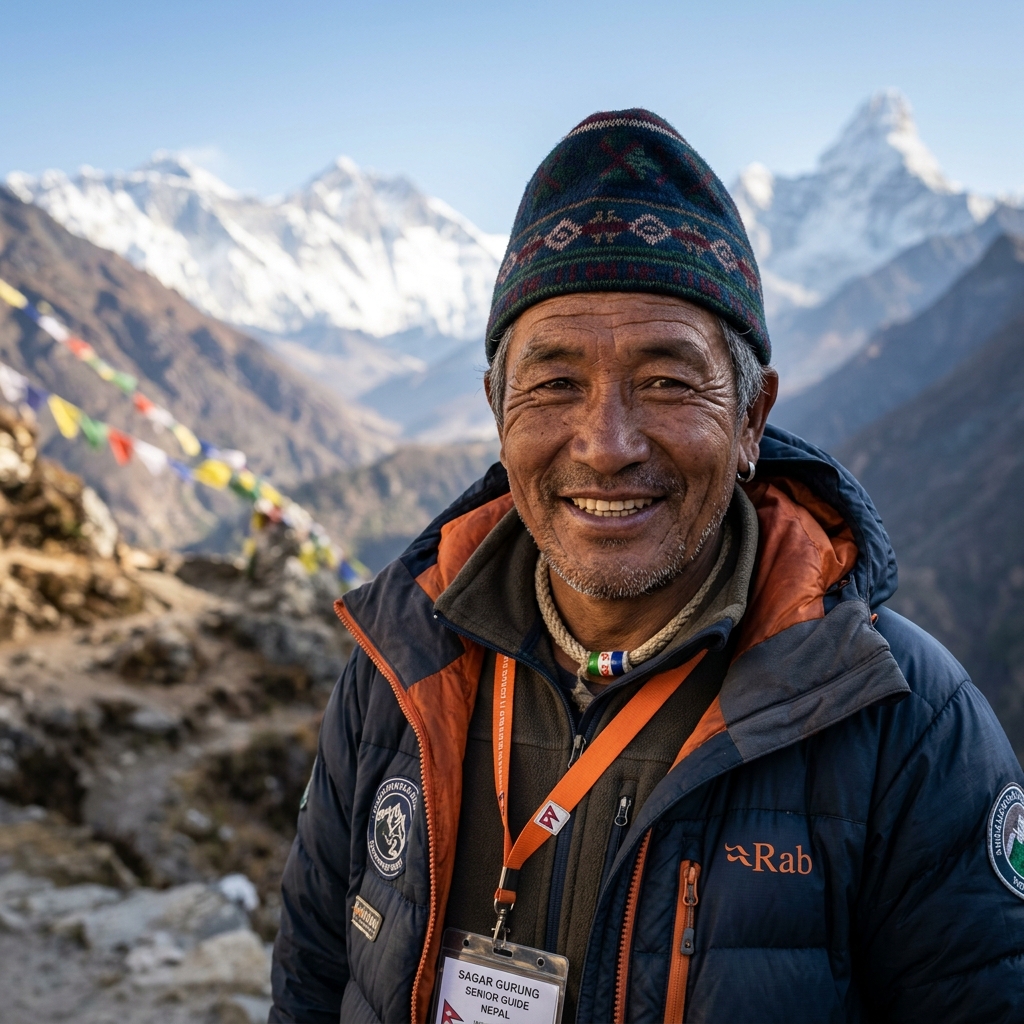 Guided by Sagar Gurung
MORE ADVENTURES
You might also like
Handpicked trips in the same region and style — a natural next step from this one.