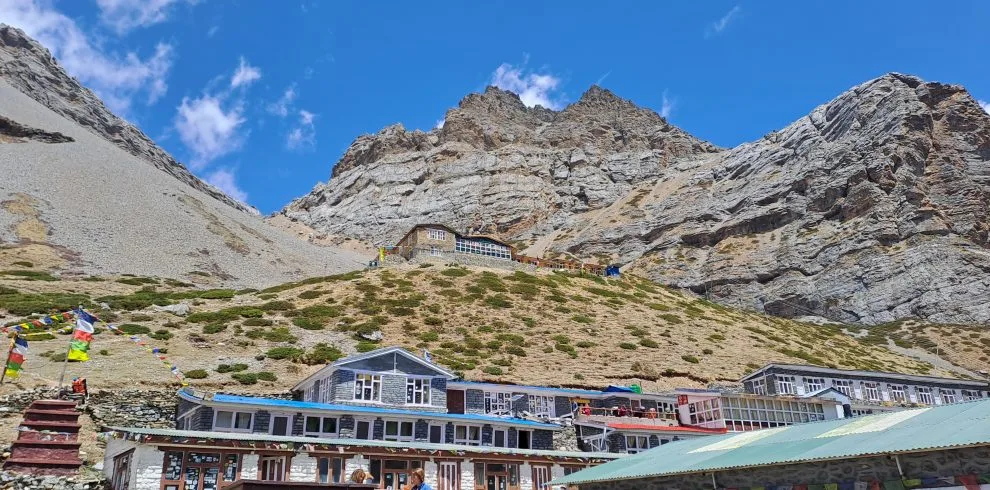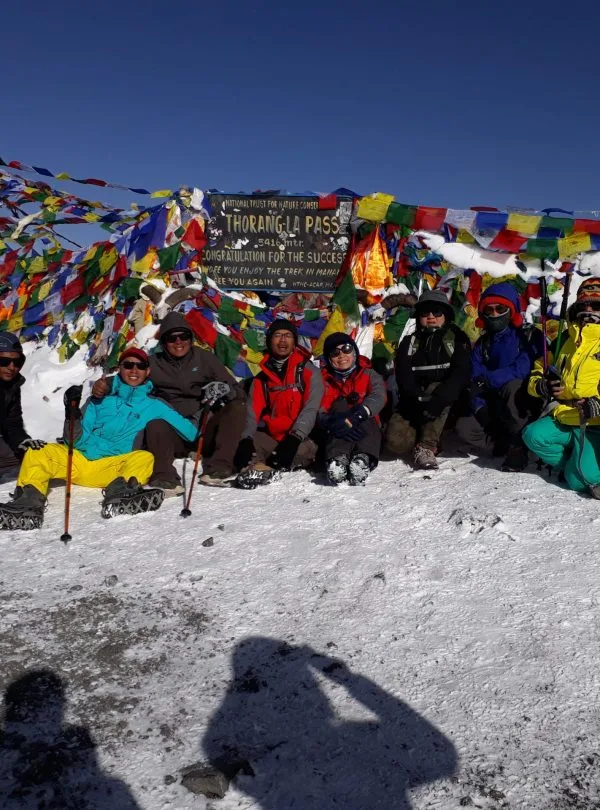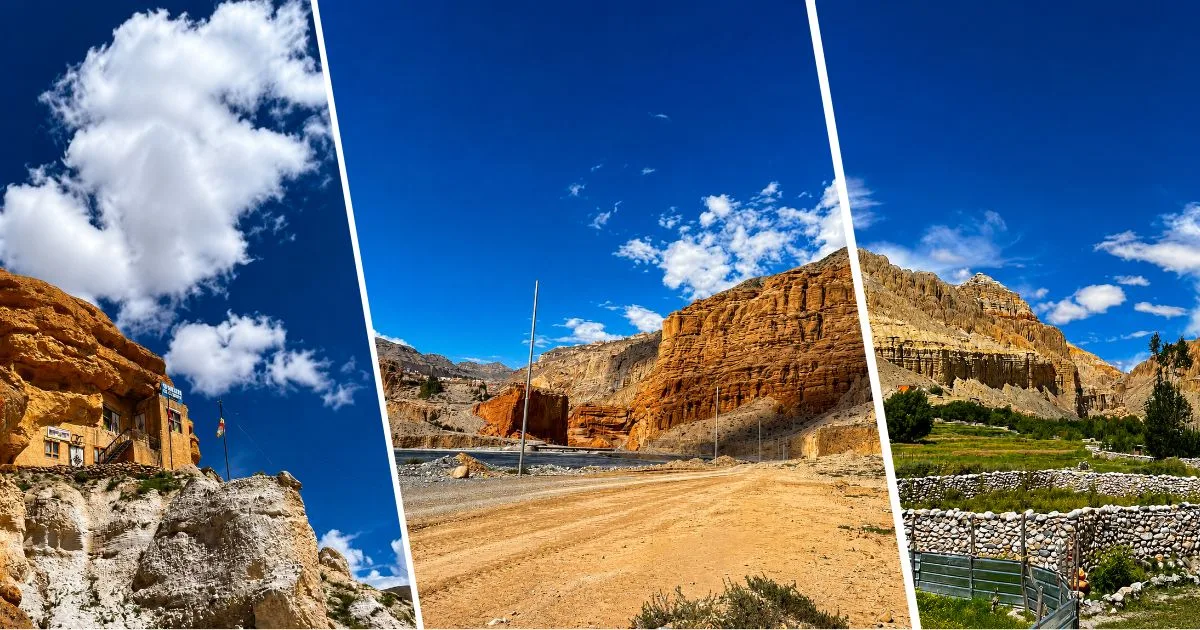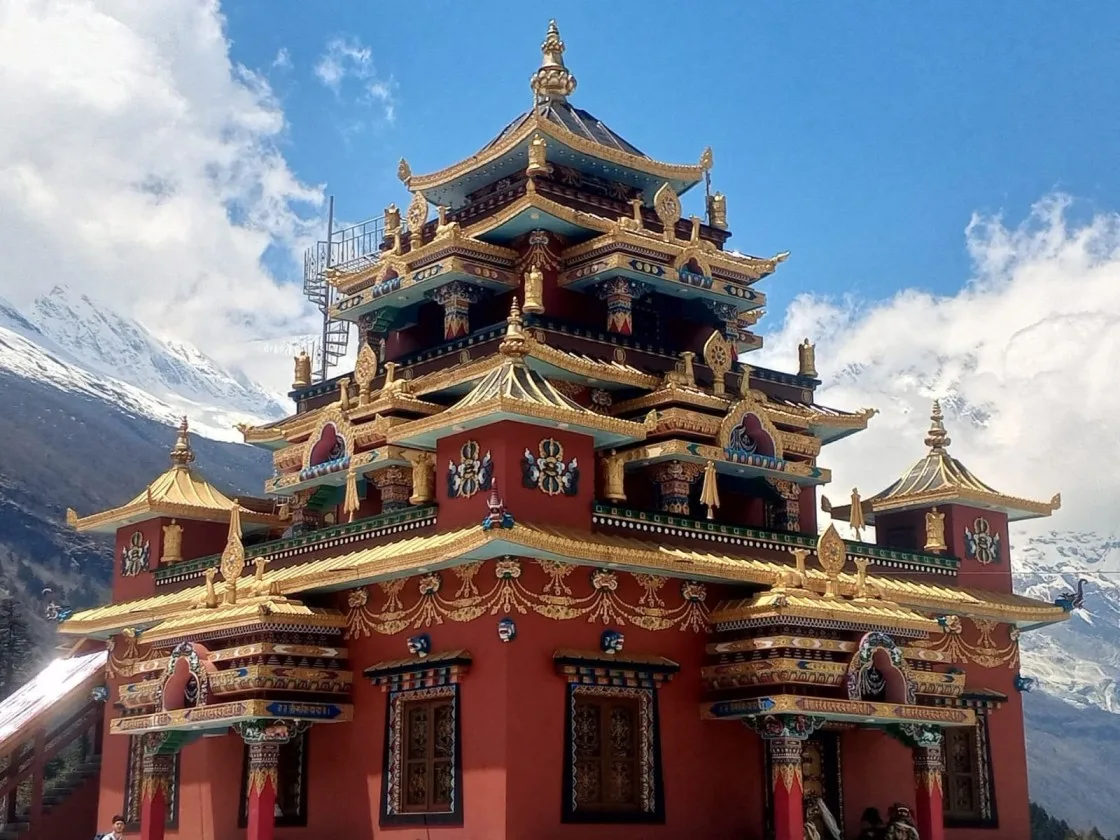
Our Nar Phu Valley Trek (12 Days) with Igloo Himalaya Treks went beyond every expectation we had. What first pulled us towards them was their strict safety protocol and personal care. From start to finish, Sagar and our expert team made sure our Nar Phu Valley Trek was comfortable, safe, and well acclimatized every single day!
Annapurna Region, Nepal • Hidden Valley
5.0
reviews on TripAdvisor
5.0
169 reviews on Google
Nar Phu Valley Trek — 13 Days
Explore the stone villages of Phu and Nar on our guided 13-day trek through the Annapurna region. From Koto, the route leaves the main Annapurna circuit and follows a gorge towards Meta and Phu. A day in Phu gives you time to explore before continuing through Nar Phedi to Nar. Cross Kang La at approximately 5,320 m, then descend to Ngawal and finish walking at Humde. Village lodges, Buddhist heritage and changing mountain scenery shape the journey.
Travelers' Choice
Best of the Best 2026


Key Trip Facts
Duration
13 Days
Kathmandu to
Kathmandu (9 Days Trekking)
Difficulty
Challenging
High mountain pass
crossing (Kang La)
Maximum
Altitude
5,320 m / 17,454 ft
Kang La Pass
crossing (Day 9)
Destination
Nepal
Annapurna
Conservation Area (ACAP)
Activity
Trekking &
Cultural
Restricted
Tibetan-border valleys
Accommodation
3-Star Hotels &
Teahouses
Kathmandu hotel &
authentic mountain lodges
Transport
Private Jeep &
Overland
KTM – Dharapani &
Humde – Besisahar – KTM
Meals
All Meals on Trek
(B, L, D)
Kathmandu breakfast
& farewell dinner
Recommended
Season
Spring &
Autumn
Mar–May & Sep–Nov
(Clear skies & stable trails)
Trek
Starts
Dharapani (1,860
m)
Trailhead into
Marsyangdi Valley
Trek
Ends
Humde /
Ngawal
Drive back via
Besisahar to Kathmandu
Trek
Region
Nar Phu
Valley
Annapurna / Manang
Restricted Area
Package
Start Point
Kathmandu,
Nepal
Tribhuvan Int'l
Airport (KTM)
Package
End Point
Kathmandu,
Nepal
Airport departure
transfer included
Nar Phu Valley Trek Overview
Our Nar Phu Valley Trek follows the Annapurna trail to Koto before entering the valleys of Phu and Nar. You walk through forests and narrow gorges towards stone villages above 4,000 m. The journey includes a day in Phu and crosses Kang La at around 5,320 m before descending to Ngawal on the Annapurna Circuit.
After driving from Kathmandu to Dharapani, you begin walking along the Marsyangdi Valley towards Koto. Here, the route turns away from the main circuit and follows the Nar Phu River through a gorge. Forest paths, bridges and uphill sections lead towards Meta. Beyond Meta, the valley becomes more open and rocky as you approach Phu, where stone houses, prayer flags and monasteries reflect the village’s Tibetan Buddhist traditions.
You spend another day in Phu before retracing part of the valley towards Nar Phedi. The next stage climbs to Nar, with mani walls and stone buildings marking the approach. After a night in the village, an early start leads towards Kang La, followed by a long descent to Ngawal on the circuit’s northern side.
The day in Phu combines village exploration with another night at the same elevation. This gives you additional time to adjust, although the itinerary still includes substantial altitude gains. Kang La requires a long climb and descent, with cold, wind and possible snow affecting the trail. Previous hiking experience and preparation for sustained mountain walking are helpful on this route.
You stay in local teahouses and lodges during trekking and a 3-star hotel in Kathmandu. Ground transport connects the walking route with Kathmandu through Dharapani, Humde and Besisahar.
Key Route Highlights & Destinations
Dharapani (1,860m)
Koto (2,600m)
Meta (3,560m)
Phu Village (4,050m)
Nar Phedi (3,500m)
Nar Village (4,100m)
Kang La Pass (5,320m)
Ngawal (3,660m)
Humde
Besisahar (760m)
Restricted Tibetan borderland valley opened to trekkers in 2002 • Requires special Nar Phu Valley Restricted Area Permit (RAP).
Nar Phu Valley Trek Highlights
LOCAL HIMALAYAN OPERATOR
Why Book the Nar Phu Valley Trek with Igloo Himalaya Treks?
We help you prepare in Kathmandu and support your journey through Nar and Phu. The package includes these practical arrangements.
Trek Briefing and Gear Check
Before leaving Kathmandu, we discuss the route, permits, accommodation and essential equipment. Your briefing gives you time to ask about altitude, the pass crossing and preparations for village stays.
Guide and Porter Support
Your package includes a licensed, English-speaking guide and one porter for every two trekkers. We cover their wages, meals, accommodation and insurance. Your porter carries your main bag during the trek.
Equipment Provided for the Trek
Complimentary use of a duffel bag, sleeping bag and down jacket is included where applicable. Confirm availability and suitability before departure, alongside the personal clothing and equipment you need to bring.
Communication When Plans Change
Weather, road conditions and the pass crossing can affect the programme. Our team explains available options and discusses changes with you, including any extra accommodation, meals or transport required beyond the itinerary.
Nar Phu Valley Trek (13 Days) Itinerary: Day by Day Details
Day 1: Arrival in Kathmandu – Welcome to Nepal
Tribhuvan International Airport, Kathmandu – 1,400 m / 4,593 ft – Arrival Transfer
Arrival, private airport transfer and trip briefing when time allows
Overnight: Kathmandu, around 1,400 m
Meals: Arrival-day meals arranged independently
Welcome to Nepal. Our representative meets you at Tribhuvan International Airport and transfers you to your hotel in Kathmandu. After checking in, rest after your flight and organise your belongings for the journey into the Annapurna region.
Depending on your arrival time, we meet for a briefing about the route, permits, altitude and equipment. You can ask any final questions, walk around nearby streets or relax before tomorrow’s drive.
Day 1 Summary Details
Main activity: Arrival, private airport transfer and trip briefing when time
allows
Overnight altitude: Kathmandu, around 1,400 m
Accommodation: 3-star hotel in Kathmandu
Meals: Arrival-day
meals arranged independently
Day 2: Drive from Kathmandu to Dharapani
Kathmandu to Dharapani – 1,860 m / 6,102 ft – Approx. 8–10 hrs scenic drive
Approximately 8–10 hours; road conditions affect the journey
Overnight: Dharapani, around 1,860 m
Meals: Breakfast in Kathmandu; other travel-day meals to confirm
We leave Kathmandu and drive towards Dharapani, entering the Annapurna region through Besisahar. The journey follows valleys and hillsides, with road conditions affecting the time needed to reach the village.
This is a long travel day, so keep medicines, water and essentials within reach. The road passes farmland and towns before continuing into the Marsyangdi Valley. On reaching Dharapani, check into your lodge and rest. Your guide explains tomorrow’s walking route towards Koto and helps you prepare your daypack for the first trekking stage ahead.
Day 2 Summary Details
Main activity: Ground transport from Kathmandu to Dharapani
Driving time: Approximately 8–10 hours; road conditions affect the
journey
Overnight altitude: Dharapani, around 1,860 m
Accommodation: Local teahouse or lodge in Dharapani
Meals: Breakfast
in Kathmandu; other travel-day meals to confirm
Day 3: Trek from Dharapani to Koto
Dharapani to Koto – 2,600 m / 8,530 ft – Approx. 5–6 hrs walk (13 km)
Approximately 5–6 hours
Overnight: Koto, around 2,600 m
Meals: Breakfast, lunch and dinner
We begin walking along the Marsyangdi Valley towards Koto. The route passes through mountain villages and forested sections, gradually gaining height as we approach the Nar Phu entrance.
Today introduces the walking pace and terrain you will follow over the coming days. Keep water and weather protection accessible, with breaks along the route. At Koto, settle into your teahouse and prepare for tomorrow’s departure from the main Annapurna trail. Your guide checks the required documents before we continue into the restricted Nar Phu region.
Day 3 Summary Details
Walking time: Approximately 5–6 hours
Walking distance: Around 13 km
Walking route: Dharapani–Koto
Overnight altitude: Koto, around 2,600 m
Accommodation: Local teahouse or lodge in Koto
Meals: Breakfast,
lunch and dinner
Day 4: Koto to Meta
Koto to Meta – 3,560 m / 11,680 ft – Approx. 6–7 hrs walk (14–15 km)
Approximately 6–7 hours
Overnight: Meta, around 3,560 m
Meals: Breakfast, lunch and dinner
Leaving Koto, we follow the gorge into the Nar Phu Valley. Forest paths and bridge crossings lead uphill beside the river. The trail gains considerable height before reaching Meta, where the valley feels open.
As the valley opens, trees become fewer and rocky slopes surround the trail. Today brings a substantial increase in sleeping altitude, so report any unusual symptoms promptly. After reaching Meta, rest at the lodge and prepare for tomorrow’s journey towards Phu Village.
Day 4 Summary Details
Walking time: Approximately 6–7 hours
Walking distance: Around 14–15 km
Walking route: Koto–Meta
Overnight altitude: Meta, around 3,560 m
Accommodation: Local teahouse or lodge in Meta
Meals: Breakfast,
lunch and dinner
Day 5: Meta to Phu Village
Meta to Phu Village – 4,050 m / 13,287 ft – Approx. 6–7 hrs walk
Approximately 6–7 hours
Overnight: Phu, approximately 4,050 m
Meals: Breakfast, lunch and dinner
We leave Meta and follow the valley towards Phu. Rocky slopes and narrow sections shape the walk as we gain height, with stone buildings appearing on the approach to the village.
Phu’s houses sit close together above the valley, with prayer flags and Buddhist features around the village. After reaching the teahouse, take time to rest. At around 4,050 m, the sleeping altitude matters as much as the walking effort. We stay here again tomorrow, allowing time for exploration and adjustment.
Day 5 Summary Details
Walking time: Approximately 6–7 hours
Walking route: Meta–Phu Village
Overnight altitude: Phu, approximately 4,050 m
Accommodation: Local teahouse or lodge in Phu
Meals: Breakfast,
lunch and dinner
Day 6: Explore Phu Village
Phu Village Exploration & Acclimatisation – 4,050 m / 13,287 ft – Village walks
Short walks; duration depends on conditions and the group
Overnight: Phu, approximately 4,050 m
Meals: Breakfast, lunch and dinner
We spend another day in Phu, combining village exploration with time at the same sleeping altitude. Walk among the stone houses and Buddhist features, with a nearby monastery visit when access and local circumstances permit.
Your guide chooses the walks according to conditions and how you are feeling. Keep the effort manageable and report any altitude symptoms. Afterwards, return to the teahouse for rest and preparation before tomorrow’s journey down the valley towards Nar Phedi.
Day 6 Summary Details
Main activity: Village exploration and acclimatisation
Walking time: Short walks; duration depends on conditions and the group
Overnight altitude: Phu, approximately 4,050 m
Accommodation: Same village overnight stop in Phu
Meals: Breakfast,
lunch and dinner
Day 7: Phu Village to Nar Phedi
Phu Village to Nar Phedi – 3,500 m / 11,483 ft – Approx. 6–7 hrs walk
Approximately 6–7 hours
Overnight: Nar Phedi, around 3,500 m
Meals: Breakfast, lunch and dinner
Leaving Phu, we retrace part of the valley trail before continuing towards Nar Phedi. The route descends through rocky terrain and mountain river scenery, bringing a lower overnight altitude after two nights in Phu Village.
Nar Phedi is known for its monastery and simple mountain accommodation. Your guide explains local visiting customs, with access depending on the circumstances. After reaching the overnight stop, settle in and rest. Tomorrow’s shorter stage climbs from the valley towards Nar Village above us.
Day 7 Summary Details
Walking time: Approximately 6–7 hours
Walking route: Phu
Village–Nar Phedi
Overnight altitude: Nar Phedi, around 3,500 m
Accommodation: Simple local accommodation at Nar Phedi
Meals: Breakfast,
lunch and dinner
Day 8: Nar Phedi to Nar Village
Nar Phedi to Nar Village – 4,100 m / 13,451 ft – Approx. 3–4 hrs walk
Approximately 3–4 hours
Overnight: Nar, around 4,100 m
Meals: Breakfast, lunch and dinner
We leave Nar Phedi, cross the river and climb towards Nar Village. The walking day is shorter, although the gain in sleeping altitude still requires attention. Mani walls and prayer flags mark the approach to the stone houses.
After checking into the teahouse, rest or take a short walk around Nar if you feel well. Prepare warm layers, water and your headlamp for tomorrow’s early start. Your guide discusses the weather, trail conditions and the Kang La crossing.
Day 8 Summary Details
Walking time: Approximately 3–4 hours
Walking route: Nar
Phedi–Nar Village
Overnight altitude: Nar, around 4,100 m
Accommodation: Local teahouse or lodge in Nar
Meals: Breakfast,
lunch and dinner
Day 9: Nar Village to Kang La Pass and Ngawal
Nar to Kang La Pass (5,320 m) & Ngawal (3,660 m) – Approx. 8–10 hrs walk
Approximately 8–10 hours
Overnight: Ngawal, around 3,660 m
Meals: Breakfast, lunch and dinner
We leave Nar early and begin the long climb towards Kang La Pass. The trail becomes steeper higher up, with altitude adding to the effort required for the crossing.
At approximately 5,320 m, Kang La is the highest point of this route. Clear weather offers views across the Annapurna and Chulu mountains. Conditions determine the crossing, and your guide assesses the route before continuing onward.
From the pass, we descend towards Ngawal, returning to the Annapurna Circuit. The downhill trail is long and steep in places. Rest at the teahouse after arrival.
Day 9 Summary Details
Main activity: High pass crossing and descent
Walking time: Approximately 8–10 hours
Walking route: Nar–Kang La Pass–Ngawal
Highest point: Kang La Pass, approximately 5,320 m
Overnight altitude: Ngawal, around 3,660 m
Accommodation: Local teahouse or lodge in Ngawal
Meals: Breakfast,
lunch and dinner
Day 10: Trek to Humde and Drive to Besisahar
Ngawal to Humde & Drive to Besisahar – 760 m / 2,493 ft – Approx. 6–7 hrs combined
Approximately 6–7 hours for trekking and driving together
Overnight: Besisahar, around 760 m
Meals: Trekking meals included; confirm Besisahar dinner arrangements
We leave Ngawal and walk towards Humde, where the trekking section finishes. The route returns to the Marsyangdi Valley after the high crossing, with village scenery and mountain slopes along the descent. Ground transport then takes us towards Besisahar below.
Today’s journey combines the final walk with a drive down the valley. Keep your essentials accessible during the road journey, as conditions can affect progress. On reaching Besisahar, check into your accommodation and rest after the village trails and the long Kang La crossing.
Day 10 Summary Details
Main activity: Final walking stage, followed by ground transport
Combined journey time: Approximately 6–7 hours for trekking and driving together
Route: Ngawal–Humde on foot; Humde–Besisahar by road
Overnight altitude: Besisahar, around 760 m
Accommodation: Overnight in Besisahar; property to confirm
Meals: Trekking
meals included; confirm Besisahar dinner arrangements
Day 11: Programme to Be Confirmed
Day 11 Programme to Be Confirmed – Details awaiting publication
To be confirmed
Overnight: To be confirmed
Meals: To be confirmed
Day 11 has no published programme. Its activity, overnight location, accommodation and meals require confirmation before the thirteen-day itinerary can be finalised. The surrounding days retain their existing route and numbering.
Day 10 ends in Besisahar, and Day 12 is listed as the drive from Besisahar to Kathmandu. This gap does not establish an extra rest day, sightseeing programme or additional night in Besisahar. We need the confirmed Day 11 arrangements before assigning any activity or overnight stay to this slot.
Day 11 Summary Details
Programme status: Not published in the current itinerary
Main activity: To
be confirmed
Overnight location and altitude: To be confirmed
Accommodation: To
be confirmed
Meals: To be
confirmed
Day 12: Drive from Besisahar to Kathmandu
Besisahar to Kathmandu – 1,400 m / 4,593 ft – Approx. 5–6 hrs road drive
Approximately 5–6 hours, depending on road conditions
Overnight: Kathmandu, around 1,400 m
Meals: Farewell dinner in Kathmandu; other travel-day meals to confirm
We drive from Besisahar back to Kathmandu, leaving the mountain valleys behind. The journey follows the road through hills and towns, with road conditions affecting the travel time.
After reaching Kathmandu, check into your hotel and organise your belongings for departure. Depending on arrival time, you can rest or walk nearby. The package includes a farewell dinner in Kathmandu, with its arrangements confirmed by our team beforehand.
Day 12 Summary Details
Main activity: Return journey by road
Driving time: Approximately 5–6 hours, depending on road conditions
Overnight altitude: Kathmandu, around 1,400 m
Accommodation: 3-star hotel in Kathmandu
Meals: Farewell
dinner in Kathmandu; other travel-day meals to confirm
Day 13: Departure from Nepal – Farewell
Kathmandu Departure – 1,400 m / 4,593 ft – Airport Transfer
Departure and private airport transfer
Overnight: Kathmandu (1,400 m)
Meals: Breakfast in Kathmandu
Your Nar Phu Valley journey ends today. After breakfast, check your belongings and prepare for your onward flight. Depending on the departure time, you may have time to rest or take a final walk nearby.
Our representative transfers you to Tribhuvan International Airport for your departure.
Day 13 Summary Details
Main activity: Departure and private airport transfer
Accommodation: No
overnight accommodation included today
Meals: Breakfast
in Kathmandu
Not satisfied with this Itinerary?
Are you interested on planning custom trip? It only takes 2 minutes.
What’s Included in the Nar Phu Valley Trek
Airport transfers
Private pickup and drop-off in Kathmandu for arrival and departure.
Ground transport
All road journeys listed in the itinerary, including Kathmandu–Dharapani, Humde–Besisahar and Besisahar–Kathmandu, with vehicle arrangements confirmed beforehand.
Accommodation
Two nights in a 3-star Kathmandu hotel with breakfast, plus local teahouses and lodges during trekking. Room sharing and overnight allocations follow your confirmed itinerary.
Meals
Breakfast in Kathmandu; breakfast, lunch and dinner during trekking; farewell dinner in Kathmandu. Three cups of tea or coffee with trekking meals, plus seasonal fresh fruit during the journey.
Guide and porter
Licensed, English-speaking guide; one porter per two trekkers, with staff expenses included.
Permits and fees
Nar Phu Restricted Area Permit, Annapurna Conservation Area Permit and applicable government trekking charges included.
Trekking equipment
Complimentary use of a duffel bag, sleeping bag and down jacket during trekking, where applicable; confirm your equipment beforehand.
First-aid supplies
A basic first-aid kit is carried by your trekking guide.
Company assistance
Our team supports practical arrangements throughout your trekking journey.
Trip extras
A complimentary trekking map, company hat and trip completion certificate are included.
What’s Not Included in the Nar Phu Valley Trek
International flights and Nepal visa
Airfare to and from Nepal and your visa fee.
Travel insurance
Your policy costs, including cover for high-altitude trekking, medical treatment and emergency evacuation abroad.
Emergency evacuation
Rescue, evacuation and medical expenses remain your responsibility or your insurer’s under policy terms.
Personal equipment
Boots, clothing, toiletries and other personal gear beyond the equipment confirmed for complimentary use during your trek.
Extra food and drinks
Personal snacks, chocolate, bottled water, soft drinks and alcohol beyond the included meals and beverage allowance.
Other Kathmandu meals
Lunches and dinners outside the confirmed inclusions, apart from farewell dinner.
Teahouse services
Hot showers, Wi-Fi, charging and laundry expenses.
Team tips
Gratuities for trekking guides, porters and drivers.
Additional accommodation, meals or transport
Costs may apply when delays, itinerary changes or early returns require services beyond the programme.
Booking Dates & Availability for Nar Phu Valley Trek (13 Days)
Starting Prices
Prices are in US dollars and represent per-person starting rates. Send your dates and group size so we can check availability and provide your quotation.
| Number of travellers | Starting price per person | Status |
|---|---|---|
| 1 person | From USD 1,305 | Guaranteed |
| 2–4 people | From USD 1,225 | Best Value |
| 5–9 people | Request a quote | Custom Rate |
| 10–20 people | Request a quote | Group Discount |
| Other group sizes | Request a quote | Tailor-Made |
Ask us about your preferred dates: Send your dates and group size so we can check availability and provide your quotation.
05
AUG
Aug 5 – Aug 18, 2026
AVAILABLE$1,225 pp
09
AUG
Aug 9 – Aug 22, 2026
AVAILABLE$1,225 pp
13
AUG
Aug 13 – Aug 26, 2026
AVAILABLE$1,225 pp
17
AUG
Aug 17 – Aug 30, 2026
AVAILABLE$1,225 pp
21
AUG
Aug 21 – Sep 3, 2026
AVAILABLE$1,225 pp
Packing List for Nar Phu Valley Trek
Essential Info: Don’t have it? Rent it with us — USD 1/day per item
Printable PDF
Pack for forest walking, nights above 4,000 m and the cold Kang La crossing. Keep water, warm layers, rain protection, medicines and valuables in your daypack. Confirm the supplied equipment, its suitability and your porter’s luggage allowance before departure.
Hiking Gear (7 items)
Clothing (10 items)
A down jacket is included where applicable; confirm its suitability before packing layers.
Sleeping Equipment (2 items)
Toiletries & Hygiene (5 items)
Electronics (4 items)
Documents & Personal Items (7 items)
Confirm the duffel bag, sleeping bag and down jacket before departure. Carry daily essentials yourself and check your porter’s baggage allowance, including arrangements for a solo traveller.
Read before you book, Nar Phu Valley Trek
Before booking your Nar Phu Valley Trek, consider the high sleeping altitudes, basic village accommodation and long Kang La crossing. Review these details against your experience and discuss the programme with us.
If you are still unsure if this trek is for you, then email or WhatsApp us. We will get back to you within 24 hours to answer any more questions.
0/10 read
Nice start — keep going
Trek Difficulty and Fitness
The trek is moderate to challenging, combining several walking days with nights above 4,000 m. Kang La reaches approximately 5,320 m and requires a long climb and descent. Narrow gorge paths, rocky ground and steep sections add to the effort, particularly when weather affects the trail.
Previous mountain hiking is helpful. Beginners should discuss fitness and experience before booking, if this would be their first trek above 4,000 m.
Begin preparing around two to three months beforehand, allowing longer if you are starting from a low fitness level. Gradually combine regular walks, hill hikes and strength exercises. Practise in the boots you will wear on the trek.
Altitude and Acclimatisation
Day 6 combines exploration in Phu with time to acclimatise. Significant altitude gains remain, particularly from Koto to Meta. Discuss the ascent and any additional time you need beforehand.
Tell your guide promptly about headaches, nausea, dizziness or unusual fatigue. Do not climb higher while experiencing symptoms of altitude illness. If symptoms worsen despite resting at the same elevation, descent is necessary. Fitness does not prevent altitude illness, and your condition must guide decisions throughout.
Medical Conditions and Travel Insurance
If you have an existing medical condition, seek advice from a healthcare professional familiar with high-altitude travel before booking. Discuss the route, sleeping altitudes and medicines you take.
Arrange insurance covering trekking through approximately 5,320 metres, emergency helicopter evacuation and medical treatment in Nepal. Check exclusions, excess charges and the insurer’s assistance procedure before departure. Carry your policy and emergency contacts. Insurance, evacuation and medical expenses are excluded from the package.
Accommodation and Room Facilities
You stay in a 3-star hotel in Kathmandu for two nights, with local teahouses and lodges during trekking. Nar Phedi has simple accommodation near its monastery. Confirm the room arrangements beforehand.
Facilities become more limited deeper in the valley, particularly around Phu, Nar and Nar Phedi. Ask about sleeping arrangements and bathroom facilities before departure. Prepare for cold rooms and nights above 4,000 m, keeping warm layers accessible.
Food and Dietary Requirements
Meals commonly include dal bhat, noodles, soup and vegetable dishes. Choices become limited deeper in the valley; dietary arrangements need advance discussion.
Tell us about allergies or dietary requirements before booking so we can discuss what can be arranged along the route. Explain strict requirements clearly, including concerns about shared cooking equipment beforehand.
Drinking Water
Carry reusable bottles and drink boiled or appropriately treated water. Clear stream water and untreated tap water can contain germs that cause illness.
Boiling is the most reliable way to kill germs. If boiling is unavailable, filtration followed by disinfection offers broader protection than many portable filters alone. Follow the instructions for your treatment products and equipment.
Guide and Porter Support
A licensed, English-speaking guide and one porter for every two trekkers are included. Staff wages, accommodation, meals and insurance are covered. Confirm the porter’s baggage allowance and solo allocation before packing your bag.
Showers, Charging and Communication
Hot showers, Wi-Fi and device charging cost extra where available. Facilities vary between lodges, and connections can be unreliable deeper in the valley. Carry a power bank and explain to family that contact may be limited. Ask your guide about available services at each overnight stop.
Permits and Documents
The package includes the Nar Phu Restricted Area Permit, ACAP and applicable charges. We arrange the documentation. Agency and guide requirements also apply to individual travellers. Carry your passport, permits and insurance details throughout the journey.
Travel Delays and Extra Time
Rain, landslides and roadworks can affect the transfers. Snow, wind and visibility can affect Kang La, so allow flexibility around the published walking programme.
Allow extra time before your international departure. Additional accommodation, meals or transport may cost extra when delays or changes require services outside the programme.
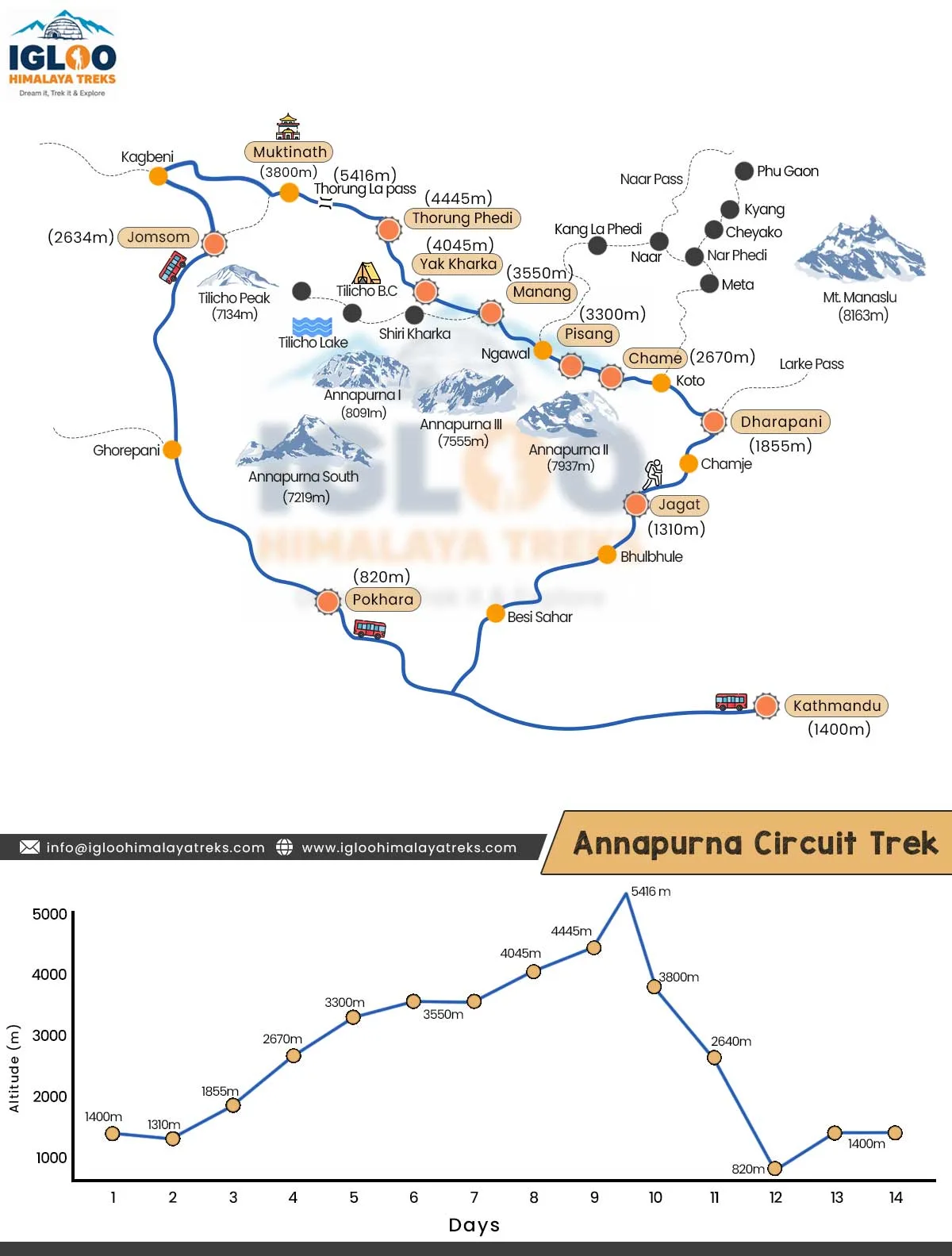
Altitude Profile of the Nar Phu Valley Trek
The route climbs from Dharapani through Koto and Meta to Phu, where you stay for two nights. After Nar Phedi, you climb to Nar before crossing Kang La and descending to Ngawal. The pass is higher than the overnight stops. Day 11’s overnight remains unconfirmed.
Interactive elevation map showing daily gain and acclimatization stopping points. Switch units below to convert between meters (m) and feet (ft).
Overnight Altitudes
| Day | Overnight Stop | Approximate Altitude |
|---|---|---|
| Day 1 | Kathmandu | 1,400 m |
| Day 2 | Dharapani | 1,860 m |
| Day 3 | Koto | 2,600 m |
| Day 4 | Meta | 3,560 m |
| Day 5 | Phu | 4,050 m |
| Day 6 | Phu | 4,050 m |
| Day 7 | Nar Phedi | 3,500 m |
| Day 8 | Nar | 4,100 m |
| Day 9 | Ngawal | 3,660 m |
| Day 10 | Besisahar | 760 m |
| Day 11 | To be confirmed | To be confirmed |
| Day 12 | Kathmandu | 1,400 m |
| Day 13 | Departure | No overnight stay |
Elevations are approximate and follow the overnight stops in this itinerary.
Higher Places You Visit
- Day 5 — Phu: Approximately 4,050 m, with another night here after the following day’s exploration.
- Day 7 — Nar Phedi: Around 3,500 m, a lower overnight stop between Phu and Nar Village.
- Day 8 — Nar: Around 4,100 m, the highest planned overnight stop before departure towards Kang La.
- Day 9 — Kang La Pass: Approximately 5,320 m, crossed before descending to accommodation in Ngawal.
We cross Kang La during the day and sleep lower in Ngawal. The pass altitude describes a crossing point, rather than a planned overnight stay.
Weather and Best Time for the Nar Phu Valley Trek
Spring, from March to May, and autumn, from September to November, are generally the best seasons for the Nar Phu Valley Trek. Both offer opportunities for mountain views and more favourable walking conditions, although cold, wind, rain and snowfall remain possible around Kang La.
Seasonal Weather Conditions
| Season | Months | What to Expect |
|---|---|---|
| Spring | March–May | Lower sections become warmer, while snow and ice can remain near Kang La. March may retain winter conditions; later spring brings warmer days, with afternoon cloud and showers possible. Prepare for cold mornings above the villages. |
| Autumn | September–November | Early September can retain monsoon rain on lower trails and roads. October and November generally offer clearer views, with colder nights later in the season. Check the forecast and conditions before the Kang La crossing. |
| Winter | December–February | Cold nights, snow and ice can make Kang La difficult or prevent a crossing. Lodge availability and access also need checking. Discuss the complete route and available alternatives before planning a winter departure. |
| Monsoon | June–August, sometimes extending into September | Nar and Phu are relatively dry compared with Nepal’s wetter southern slopes, but lower trails and access roads can still receive rain. Landslides and transport delays remain possible. Clear views and a pass crossing are not guaranteed. |
These are seasonal patterns; conditions can vary from year to year and during an individual trek.
How Weather Changes Along the Route
Lower valley walks can feel warmer in sunshine, while Phu and Nar are colder after sunset. Kang La is more exposed, with wind adding to the cold during the crossing.
Even during spring and autumn, the villages and pass can feel cold before dawn. Winter brings a greater chance of snow and freezing conditions around Kang La. Carry warm layers and weather protection whichever season you choose for trekking.
Which Season Should You Choose?
Choose spring for warming days and returning vegetation on lower forest sections. Choose autumn, particularly October or November, if mountain visibility is your priority. Winter and monsoon need greater flexibility around the pass, access roads and availability of village accommodation.
Nar Phu Valley Trek Map
Book This Trek
We offer standard group departures as well as custom private itineraries. Use the interactive Booking Calculator widget located in the sticky sidebar on the right side of this page to choose your group size and toggle options like the Helicopter return upgrade.
Once you have calculated your estimated pricing, click the Book / Inquire Now button to submit an inquiry. Our lead Himalayan coordinators will get back to you within 4 hours with availability and booking steps!
Best Himalayan Trekking Reviews
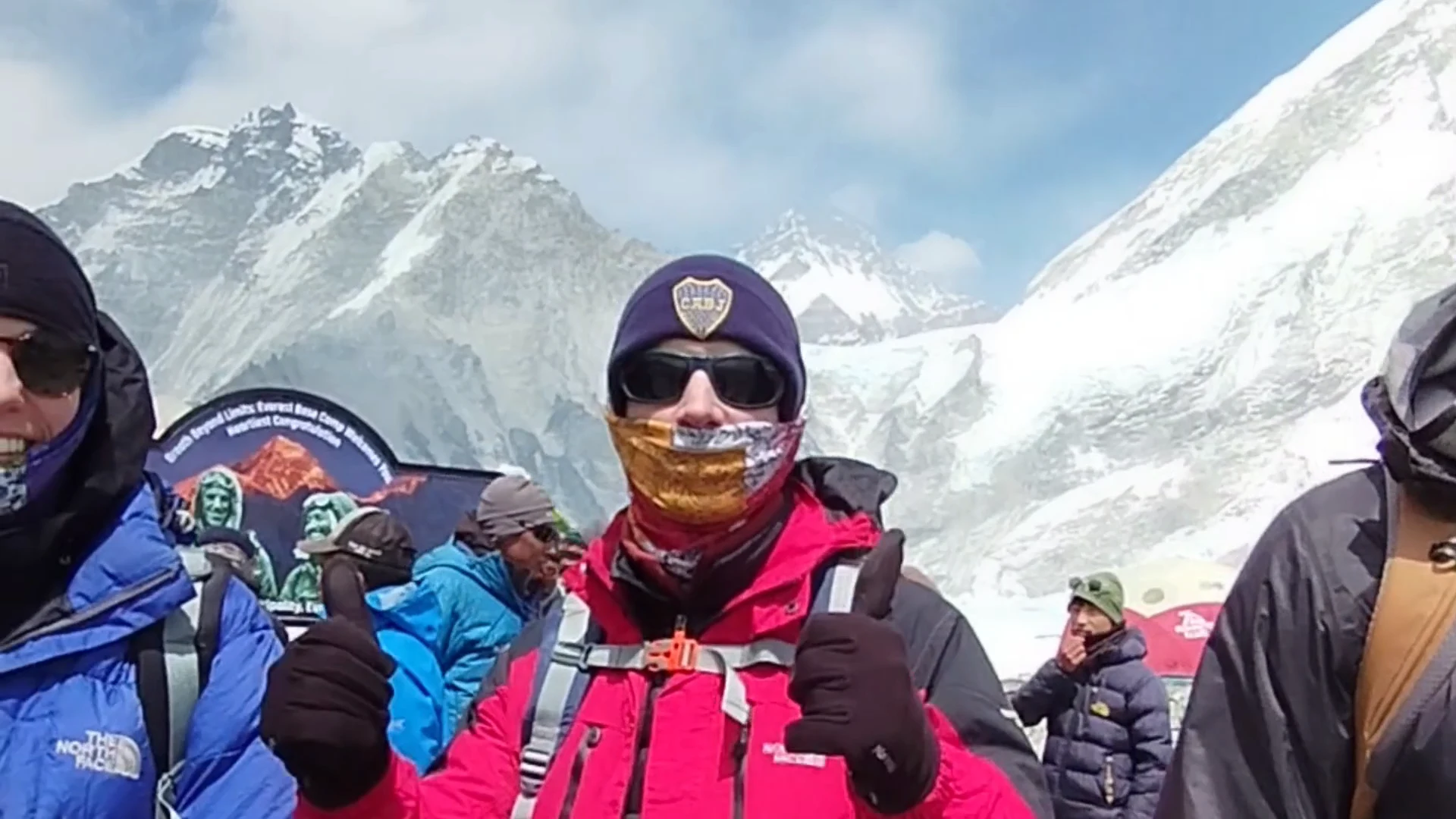
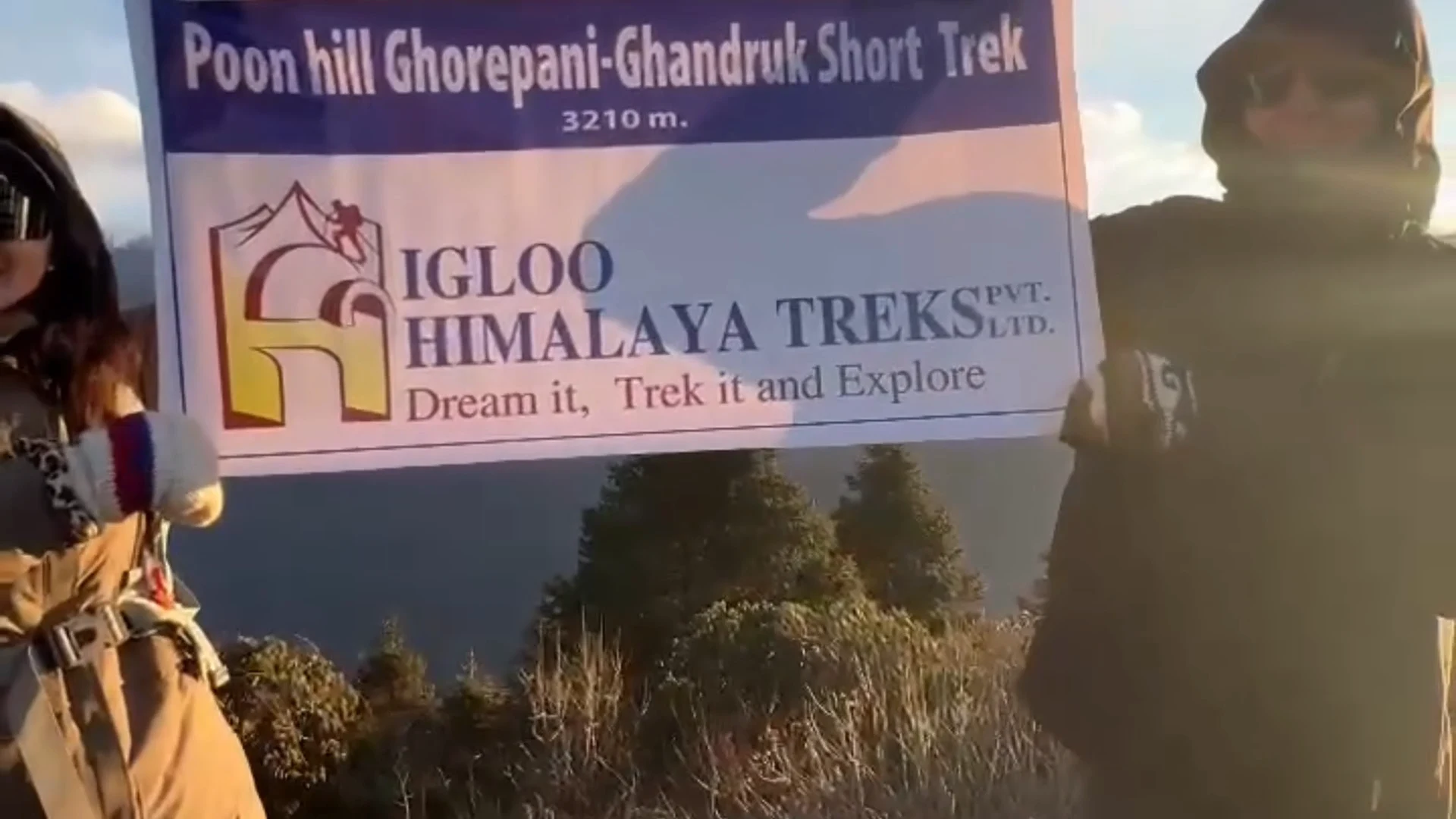
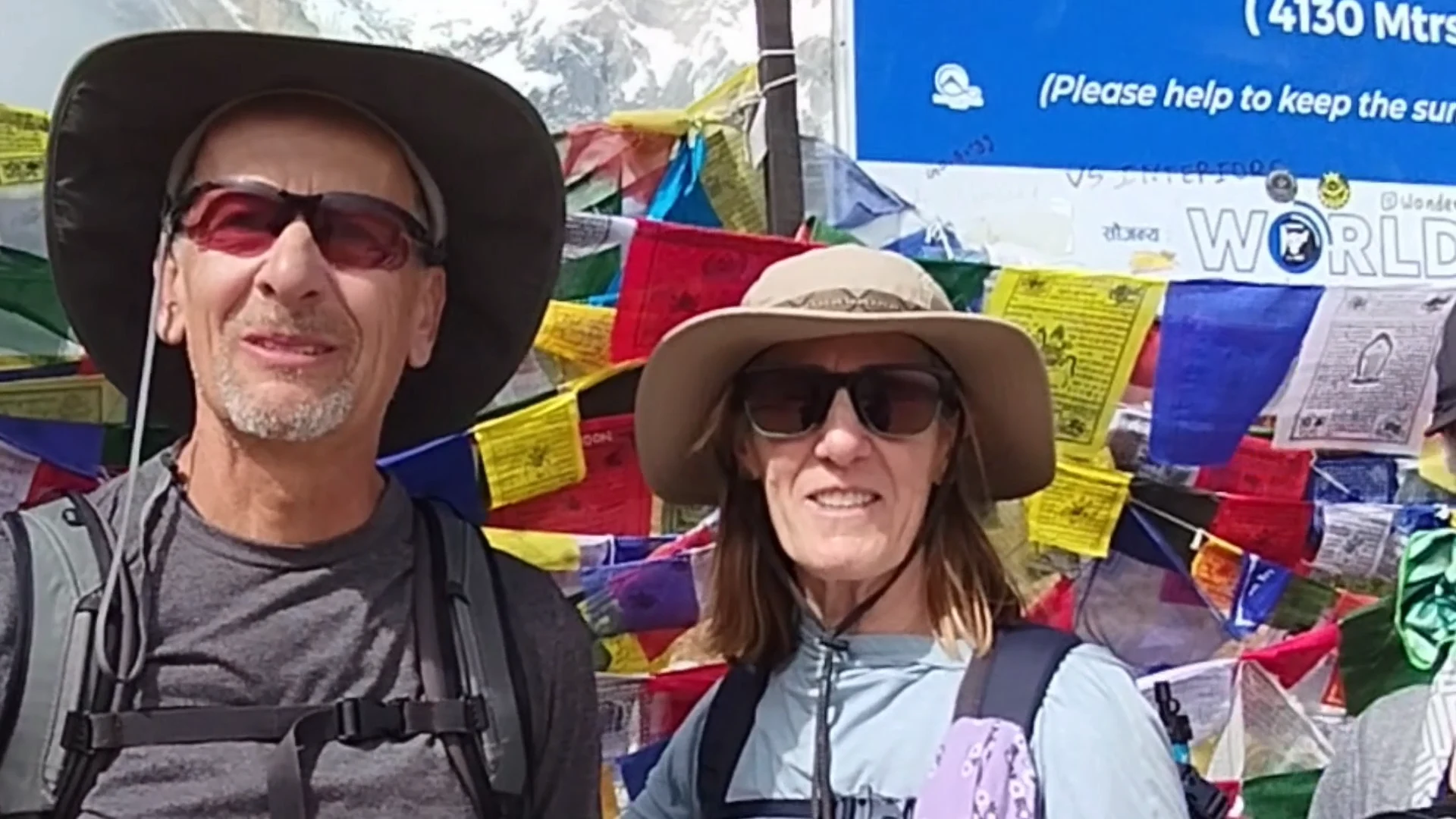
Over 15,000 adventure seekers have explored Everest, Annapurna, and Manaslu with Igloo Himalaya Treks.
25 October
18 October
14 October
22 October
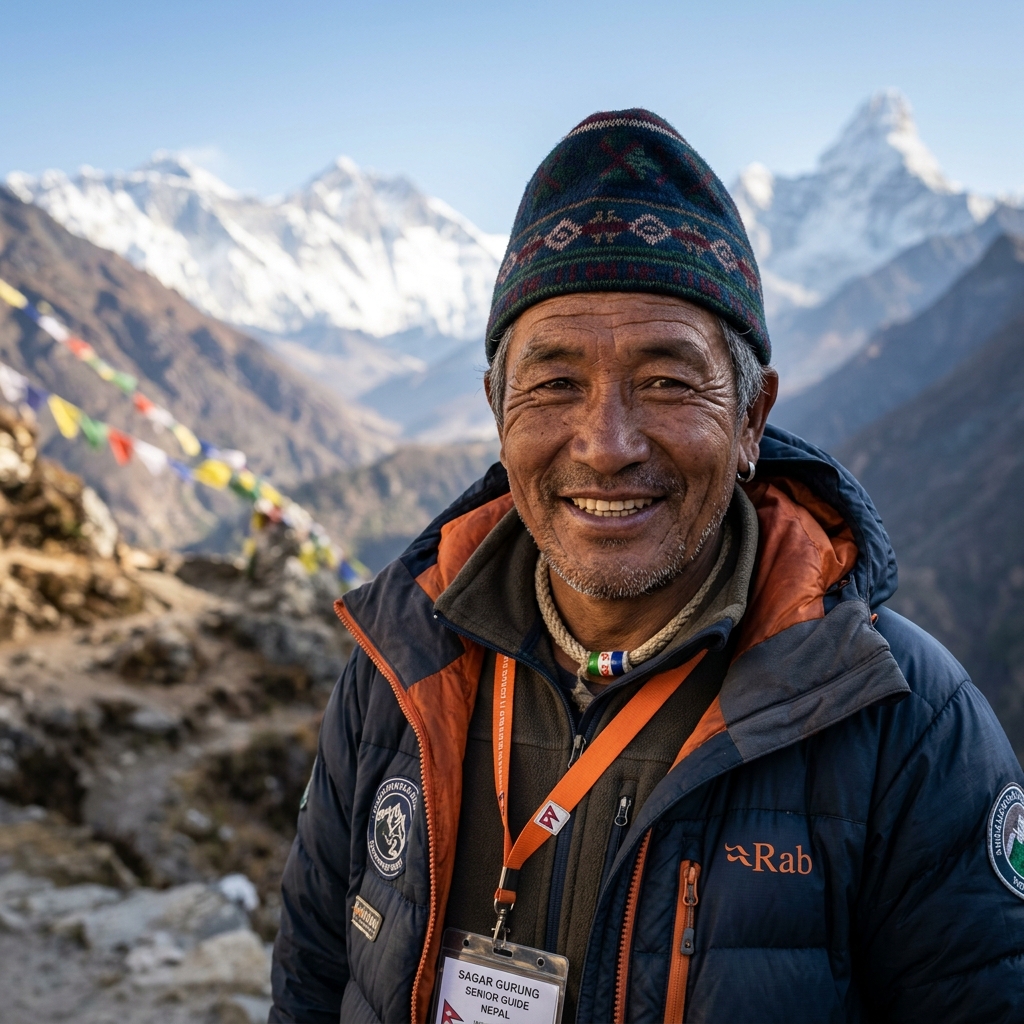 Guided by Sagar Gurung
Frequently Asked Questions for Nar Phu Valley Trek
General Information
Can I do this trek without previous trekking experience?
∨
A fit beginner may consider it after discussing preparation and experience with us. However, Nar
Phu involves nights above 4,000 m and a demanding Kang La crossing. Previous mountain hiking
helps you judge the sustained walking and altitude.
What is the highest altitude on this itinerary?
∨
Kang La Pass, at approximately 5,320 metres, is the highest point. You cross it on Day 9 before
descending to Ngawal. Nar, around 4,100 metres, is the highest planned overnight stop in the
planned trekking route.
Does this route include crossing Thorong La Pass?
∨
No. This route crosses Kang La and descends to Ngawal before finishing the walking section at
Humde. Thorong La belongs to different Annapurna Circuit itineraries. We can discuss those
options if you want a longer route.
What is planned for Day 11 on this itinerary?
∨
Day 11 is not published and remains awaiting confirmation. Day 10 ends in Besisahar, while Day
12 returns to Kathmandu. This does not confirm an extra rest day or overnight stay; we will
clarify the complete programme before your booking.
Do we stay overnight at Kang La?
∨
No. Kang La is a daytime crossing, followed by the descent to Ngawal for the night. You sleep in
Nar before the crossing. The highest planned overnight stop is around 4,100 metres, below the
pass at approximately 5,320 metres.
Are acclimatisation days complete rest days?
∨
No. The day combines village walks and exploration with another night in Phu. Your guide adjusts
the activity to conditions and how you feel. Rest remains important before continuing towards
Nar Phedi the following day.
Do I need to carry my main trekking bag?
∨
A porter carries your main trekking bag, with one porter for every two travellers. You carry a
daypack with water, layers, medicines and valuables. Confirm the baggage allowance and porter
allocation before packing for departure.
Do I need to bring a sleeping bag and down jacket?
∨
Complimentary use of a sleeping bag, down jacket and duffel bag is included where applicable.
Confirm availability, suitability and any return arrangements before departure. Bring your own
boots, clothing and other personal gear for the mountain conditions.
Is insurance covering trekking to 5,000 metres sufficient?
∨
No. Kang La reaches approximately 5,320 metres, above that limit. Arrange cover for the full
planned altitude, medical treatment and emergency helicopter evacuation in Nepal. Check
exclusions, excess charges and the insurer’s assistance procedure before starting the journey.
Does being fit protect me from altitude sickness?
∨
No. Good fitness helps with the walking demands, but it does not prevent altitude illness. Fit
and experienced trekkers can also become unwell. Follow your guide’s advice and report symptoms
promptly instead of assuming fitness will protect you.
What should I do if I feel unwell at altitude?
∨
Tell your guide promptly about headaches, nausea, dizziness or unusual fatigue. Do not ascend
higher while experiencing symptoms of altitude illness. If symptoms worsen despite resting at
the same elevation, descent is necessary. Seek appropriate medical help.
Can I book as a solo traveller?
∨
Yes. The solo rate starts from USD 1,305. Individual travellers still need agency permit
arrangements and a licensed guide. Send your dates so we can confirm the itinerary, porter
allocation, room arrangements and final quotation.