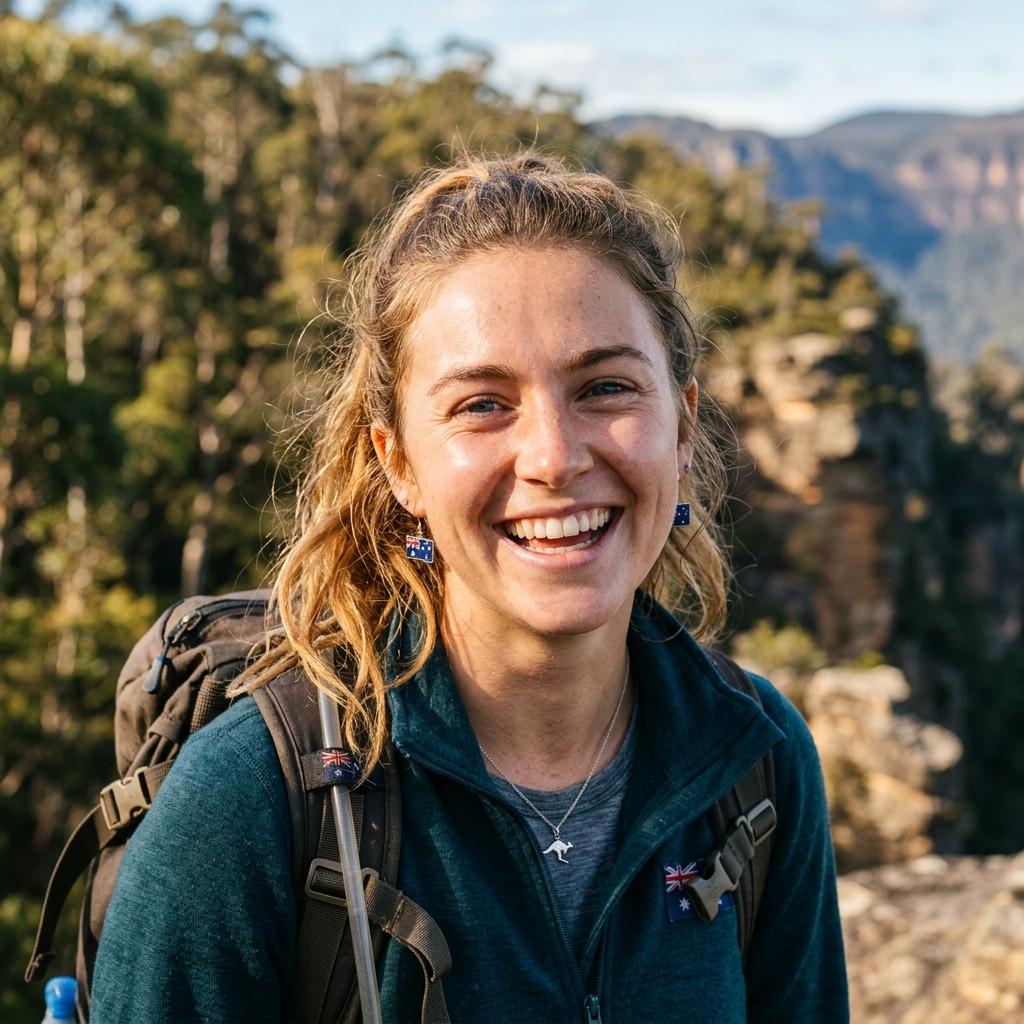
Our 16-day Everest Base Camp Trek with Igloo Himalaya Treks went beyond every expectation we had. The extra acclimatisation days in Namche and Dingboche, plus the cultural tour to Pashupatinath and Boudhanath in Kathmandu, gave us a relaxed and successful journey. Reaching Everest Base Camp (5,364 m) and Kala Patthar (5,545 m) for sunrise was unbelievable! Sagar and the entire crew took meticulous care of our safety and health.
NEPAL · EVEREST / KHUMBU
5.0
TripAdvisor Travelers' Choice
4.9
(1,549 Reviews)
Everest Base Camp Trek — 16 Days
Walk through Nepal's Khumbu region to Everest Base Camp and Kala Patthar on our 16-day itinerary. The mountain route follows Phakding, Namche Bazaar, Tengboche and Dingboche, with acclimatisation days in Namche and Dingboche before continuing higher. Guided Kathmandu sightseeing and final trek preparation come before your flight to Lukla.
Travelers' Choice
Best of the Best 2026
Key Trip Facts
DURATION
16 Days
16 days, including Kathmandu sightseeing and two acclimatisation days
DIFFICULTY
Moderate to challenging
Steep climbs, rocky terrain and high-altitude hiking
MAXIMUM ALTITUDE
5,545 m / 18,192 ft
Approximately 5,545 m at the Kala Patthar viewpoint
DESTINATION
Nepal
Sagarmatha National Park, Khumbu Himalayas
ACTIVITY
Trekking
High-altitude mountain trekking & cultural exploration
ACCOMMODATION
Hotel & Teahouse
3-star hotel in Kathmandu and teahouses during the trek
TRANSPORT
Domestic Flights & Private
Return Lukla flights, airport transfers and private sightseeing transport; flights may operate via Ramechhap
MEALS
Full Board on Trek
Breakfast in Kathmandu; breakfast, lunch and dinner during the trek; farewell dinner
RECOMMENDED SEASON
Spring & Autumn
Spring (March-May) and autumn (September-November)
TREK STARTS
Lukla
Tenzing-Hillary Airport (2,860 m)
TREK ENDS
Lukla
Scenic flight return to Kathmandu / Ramechhap
TREK REGION
Everest / Khumbu
UNESCO World Heritage Sagarmatha National Park
PACKAGE START POINT
Kathmandu
Tribhuvan International Airport (KTM) arrival
PACKAGE END POINT
Kathmandu
International airport drop-off for departure
Everest Base Camp Trek Overview
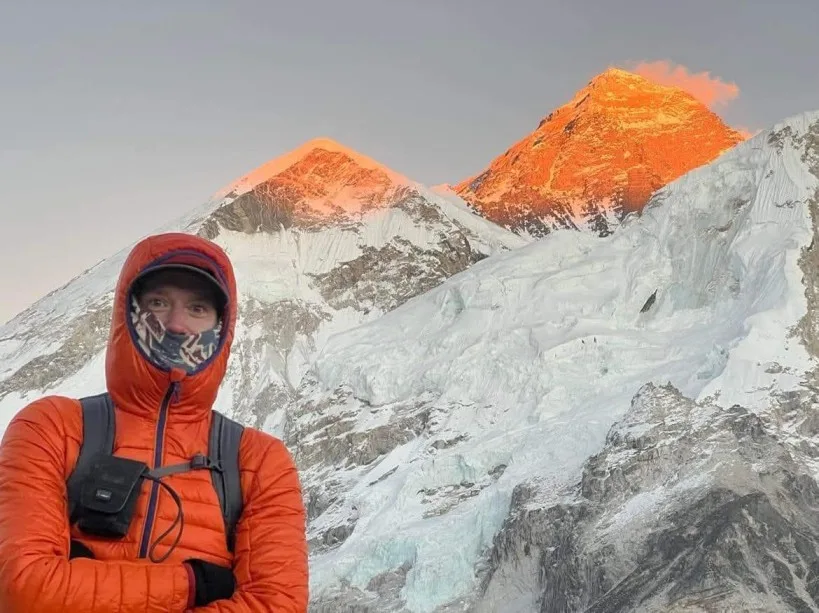
Our 16-day Everest Base Camp Trek takes you from the villages and forests of the lower Khumbu to the rocky trails alongside the Khumbu Glacier. The journey includes a visit to Everest Base Camp at 5,364 m and a hike to Kala Patthar, where clear weather offers close views of Everest and the surrounding peaks.
After flying to Lukla, you follow the Dudh Koshi valley through Phakding, crossing suspension bridges before climbing to Namche Bazaar. Beyond Namche, the trail follows the hillside, descends to the river and climbs again to Tengboche. Its Buddhist monastery and views of Ama Dablam make this a memorable stop. Along the route, you pass Sherpa villages where monasteries, prayer wheels and mani walls reflect the community's Buddhist traditions.
As you gain altitude, forested paths give way to open slopes and increasingly rocky ground. You continue through Dingboche and Lobuche to Gorak Shep for the Everest Base Camp visit. Hike to Kala Patthar before descending to Pheriche. The return includes overnight stops in Tengboche and Monjo before the final trekking stage back to Lukla.
We include acclimatisation days in both Namche and Dingboche. These combine shorter hikes with another night at the same elevation, allowing time to adjust before continuing higher. You'll still need to prepare for several consecutive walking days, steep climbs and uneven trails. Technical climbing skills are not required, but the altitude and sustained physical effort make this a demanding trek.
Kathmandu sightseeing and trek preparation come before the mountain journey. The return follows separate stages through Tengboche and Monjo, with your flight to Kathmandu scheduled for Day 15.
Everest Base Camp Trek Highlights
Reach Everest Base Camp at 5,364 m, with the Khumbu Glacier and surrounding peaks marking the final stage of your outward journey.
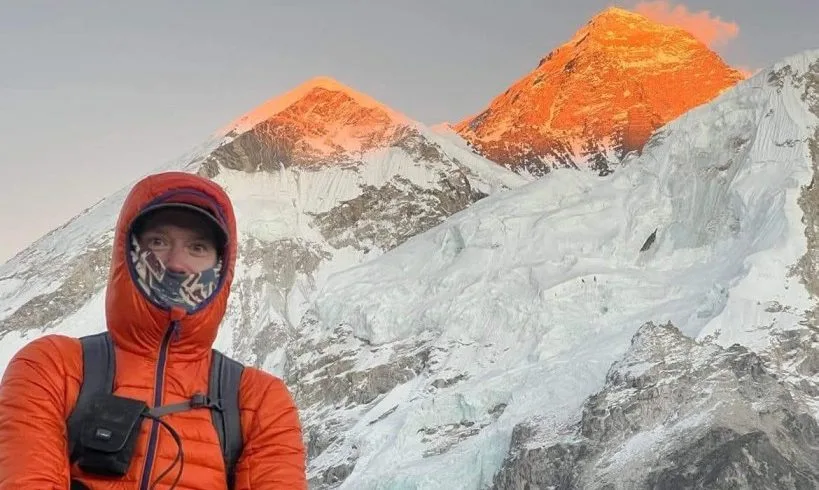
Hike to Kala Patthar, where clear weather offers close views of Everest and the surrounding mountains.
Visit Pashupatinath Temple and Boudhanath Stupa during Kathmandu sightseeing, with private transport before final preparations for trekking.
Walk to Tengboche, known for its Buddhist monastery and mountain setting beneath Ama Dablam.
Return through Tengboche and Monjo, with overnight stays in both villages before the walk to Lukla.
Spend acclimatisation days in Namche and Dingboche, combining shorter hikes with additional nights at the same elevation before continuing higher.
Why Book the Everest Base Camp Trek with Igloo Himalaya Treks?
We help you prepare in Kathmandu and support your walking journey through the Khumbu. This package includes the following arrangements.
Trek Briefing and Gear Check
Before leaving Kathmandu, we explain the programme, check your essential equipment and help with last-minute preparations. You can ask questions about the walking days, accommodation and what to carry.
Guide and Porter Support
Your package includes a licensed, English-speaking guide and one porter for every two trekkers. Your guide leads the route and explains local landmarks, while your porter carries your main trekking bag.
Guided City Tour and Transport
Your sightseeing day includes a guide and private vehicle for visiting Pashupatinath and Boudhanath. Afterwards, return to your hotel to finish packing and prepare for the journey into the Khumbu region.
Communication When Plans Change
Weather can affect Lukla flights and the trekking schedule. Our team keeps you informed, explains the available options and discusses the next steps with you, including any additional accommodation or transport costs.
Day 1: Arrival in Kathmandu
Arrival & Transfer — Kathmandu (1,350 m) — Welcome & Trek Briefing
Welcome to Nepal. Our representative meets you at Tribhuvan International Airport and accompanies you to your hotel. After you settle in, we go through the trekking programme, check your essential equipment and discuss any questions you have.
Depending on your arrival time, you can explore the nearby streets of Thamel or rest after your flight. We also help with any final preparations before you leave for the Everest region.
Day 2: Kathmandu Sightseeing and Trek Preparation
Sightseeing & Prep — Kathmandu (1,350 m) — Pashupatinath & Boudhanath (3–4 hrs)
After breakfast, explore Pashupatinath Temple and Boudhanath Stupa with your guide, travelling between the sites by private vehicle. These visits introduce two of Kathmandu Valley’s UNESCO World Heritage monument zones.
Your guide explains visiting customs and gives you time to look around. Later, return to the hotel for trek preparation, checking your equipment and organising your trekking bags. Keep your passport, insurance details, medicines and daily essentials accessible. The evening gives you time to finish packing before tomorrow’s early journey to the Everest region begins.
Day 3: Fly to Lukla and Trek to Phakding
Lukla Flight & Hike — Phakding (2,610 m) — 8 km (3–4 hrs)
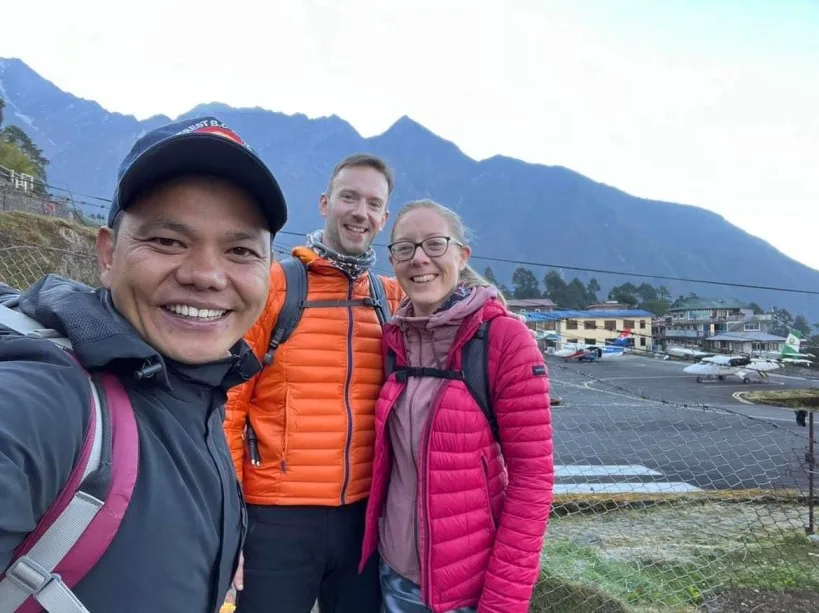
Your mountain journey begins with a flight to Lukla at 2,860 m. Depending on airline operations and the season, the flight may depart from Kathmandu or Manthali Airport in Ramechhap.
After landing, you meet your trekking team and begin walking towards Phakding. The trail passes village homes, prayer wheels and forested slopes, with downhill stretches and shorter climbs along the way. Sections follow the Dudh Koshi River, introducing you to the valley you will explore over the coming days. We spend the night in Phakding.
Day 4: Trek from Phakding to Namche Bazaar
Sagarmatha Entry — Namche Bazaar (3,440 m) — 10–11 km (5–6 hrs)
We follow the Dudh Koshi through villages and pine forests, passing Benkar and Monjo before entering Sagarmatha National Park. Your guide handles the permit checks along the route.
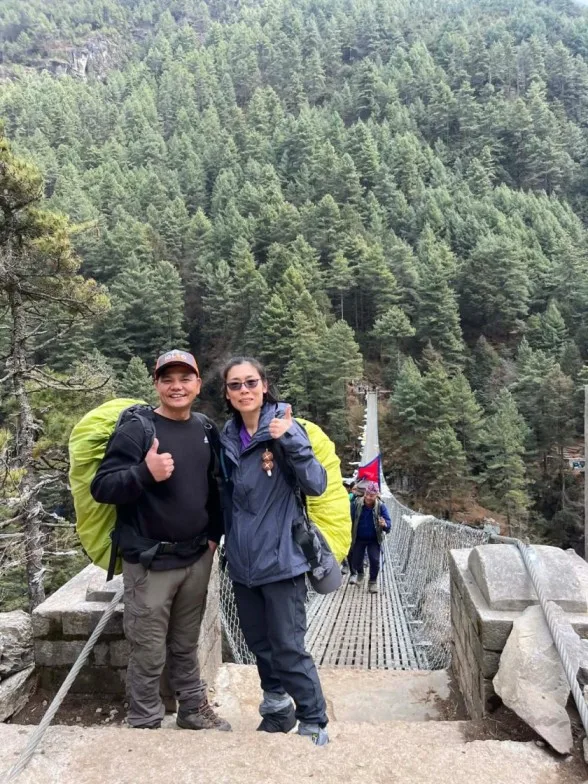
Suspension bridges connect the valley trails, followed by a sustained uphill walk towards Namche. This final climb is the most demanding part of the day, so we allow time for breaks. Namche’s shops, lodges and houses spread across the hillside, making it an important trading town and a useful place to spend the next two nights.
Day 5: Acclimatisation Day in Namche Bazaar
Acclimatisation Walk — Namche Bazaar (3,440 m) — Hotel Everest View (3,880 m)
We stay another night in Namche and take a shorter hike above the town. A usual option is the trail towards Hotel Everest View, where clear weather offers views of Everest and nearby peaks.
Your guide chooses the walk according to conditions and how the group is feeling. Afterwards, we return to Namche for the night. The afternoon gives you time to rest, visit the shops or stop at a café before continuing towards Tengboche tomorrow.
Day 6: Trek from Namche Bazaar to Tengboche
Valley Traverse — Tengboche (3,867 m) — Monastery & Ama Dablam (5–6 hrs)
Leaving Namche, we follow the hillside trail before descending towards Phunki Tenga. Mountain views accompany sections of the walk, while the river marks the low point before the climb to Tengboche.
The uphill trail passes through pine and rhododendron forest. Once we reach the village, you can settle into the teahouse and explore the surroundings. Tengboche’s Buddhist monastery stands against the mountain backdrop of Ama Dablam. If it is open to visitors, your guide explains the visiting customs before you enter.
Day 7: Trek from Tengboche to Dingboche
Imja Valley Ascent — Dingboche (4,410 m) — 11–12 km (5–6 hrs)
We descend through forest towards Debuche, cross the Imja Khola and continue through Pangboche. As the route gains height, the trees become fewer and the valley opens into slopes with low vegetation and stone buildings.
The trail passes Somare before reaching Dingboche in the Imja Valley. Today brings a noticeable gain in sleeping altitude, so we keep a steady pace throughout the walk. After checking into your teahouse, the remaining afternoon is available for rest before tomorrow’s acclimatisation hike.
Day 8: Acclimatisation Day in Dingboche
Acclimatisation Hike — Dingboche (4,410 m) — Nangkartshang Viewpoint (3–4 hrs)
Our second acclimatisation day includes a hike above Dingboche followed by another night in the village. The usual direction is towards the Nangkartshang viewpoint, with the turnaround point determined by conditions and the group’s progress.
The hillside gives you a broader view of Dingboche and the surrounding valley. We then return to the teahouse, leaving the afternoon for rest and preparation. Tomorrow, the route continues towards Lobuche, where the terrain becomes increasingly rocky and glacial.
Day 9: Trek from Dingboche to Lobuche
Glacial Moraine Trek — Lobuche (4,940 m) — Thukla Memorials (5–6 hrs)
We leave Dingboche and cross open ground towards Thukla. After a break, the trail climbs more steeply to the memorial area above the village. The stone memorials commemorate climbers and Sherpas who lost their lives in the mountains.
Beyond this section, we continue beside the Khumbu Glacier towards Lobuche. Uneven ground and increasing altitude make the walking more demanding, even where the gradient eases. We settle into the teahouse and prepare for tomorrow’s journey to Everest Base Camp.
Day 10: Trek to Gorak Shep and Visit Everest Base Camp
Everest Base Camp Excursion — Gorak Shep (5,164 m) — Reach EBC (5,364 m)
We start from Lobuche and follow the rocky trail towards Gorak Shep. After a break, we continue to Everest Base Camp, crossing uneven glacial ground along the Khumbu Glacier.
Reaching base camp brings you into the landscape used by Everest expedition teams. During the spring climbing season, tents and expedition activity may be visible. At other times, the glacier and surrounding mountains define the visit.
After spending time at base camp, we retrace the trail to Gorak Shep. Tonight’s stop puts us close to the starting point for tomorrow’s Kala Patthar hike.
Day 11: Sunrise Hike to Kala Patthar and Trek to Pheriche
Kala Patthar Sunrise & Descent — Pheriche (4,240 m) — Viewpoint 5,545 m (6–7 hrs)
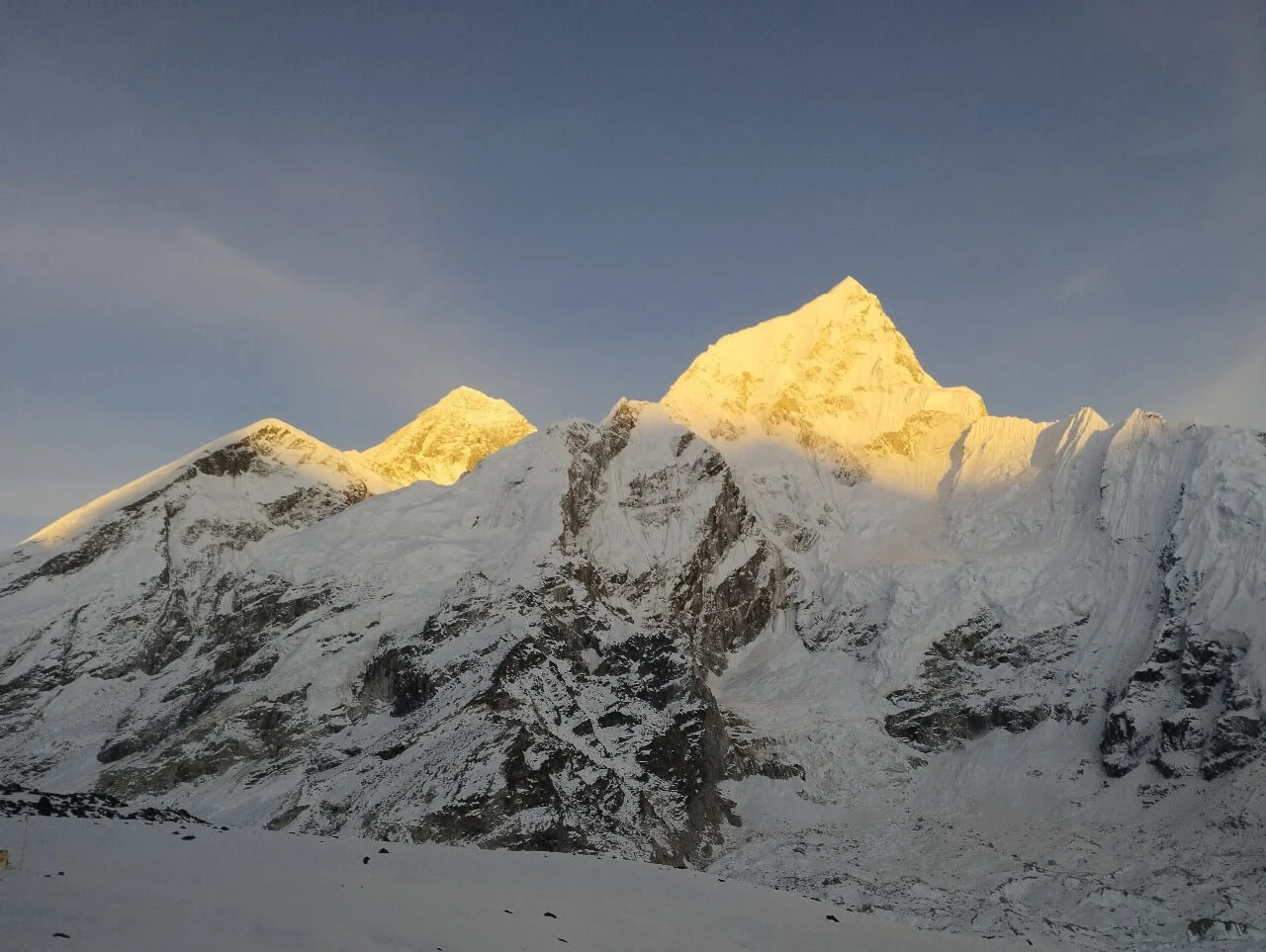
We make an early start for Kala Patthar. The climb above Gorak Shep is steep in places, and the altitude makes it demanding. In clear weather, the viewpoint offers close views of Everest, Nuptse, Pumori and the surrounding Khumbu peaks.
After the hike, we return to Gorak Shep for breakfast and continue towards Pheriche. The route passes back through Lobuche and the Thukla area before descending into the valley. It is another substantial walking day, ending with an overnight stay at a lower elevation.
Day 12: Trek from Pheriche to Tengboche
Rhododendron Trail — Tengboche (3,867 m) — 9–10 km (4–5 hrs)
We leave Pheriche and walk towards Somare and Pangboche. As we lose altitude, the wide, open mountain slopes gradually give way to patches of woodland along the lower trail.
Beyond Pangboche, we cross the Imja Khola and continue through Debuche before climbing to Tengboche. The final uphill stretch leads back to the monastery village, where we spend the night. You have time to rest at the teahouse, with any additional short walk depending on your energy and the weather.
Day 13: Trek from Tengboche to Monjo
Namche Descent & Forest Walk — Monjo (2,835 m) — 16 km (6–7 hrs)
We descend from Tengboche through forest to Phunki Tenga, cross the river and climb back towards the hillside trail leading to Namche Bazaar. The route mixes substantial descents with uphill sections.
After passing through Namche, we follow the steep trail down towards the Dudh Koshi valley. Suspension bridges, forest paths and the villages near Jorsalle mark the lower part of the walk. We continue to Monjo for the night, where you can rest before tomorrow’s final trekking stage back to Lukla.
Day 14: Trek from Monjo to Lukla
Final Trail Stage — Lukla (2,860 m) — 12 km (5–6 hrs)
Our final trekking day follows the Dudh Koshi through Phakding, passing village homes, small fields, prayer wheels and bridges. We continue towards Lukla, where the walking programme ends.
The route includes uphill stretches as you approach Lukla, so the day still involves some effort. After checking into your teahouse, organise your belongings for tomorrow’s scheduled return flight and spend the evening with your guide and porter team.
Day 15: Fly from Lukla and Return to Kathmandu
Lukla Flight & Return — Kathmandu (1,350 m) — Farewell Celebration Dinner
We prepare for the return flight from Lukla. Depending on the operating schedule, you may fly directly to Kathmandu or land at Manthali Airport and continue by road.
After reaching your hotel, the remaining time is free for rest, shopping or exploring nearby areas. We arrange your farewell dinner around the confirmed return journey. Flight timing remains dependent on weather and the airline’s operating schedule that day.
Day 16: Final Departure from Kathmandu
International Departure — Kathmandu (1,350 m) — Airport Transfer & Departure
Your 16-day Everest Base Camp Trek ends today. After breakfast, you prepare for your onward journey. Depending on your departure time, there may be an opportunity for a final walk nearby before leaving the hotel.
Our representative accompanies you to Tribhuvan International Airport for your departure.
Everest Base Camp Trek Dates & Availability
Group Departures
If you would like to trek with other travellers, ask us about upcoming group departures. We'll confirm the available dates, spaces and price for your chosen departure.
Private Trek Dates
Prefer to travel with your own group? Send us your preferred arrival date and number of travellers. We'll check the arrangements for a private trek.
What’s Included in the Everest Base Camp Trek
What’s Included in the Everest Base Camp Trek
Airport transfers: Private pickup and drop-off for your international arrival and departure.
Return Lukla flights: Domestic flights for outward and return journeys between Lukla and the operating departure airport, including taxes.
Accommodation: Three nights in a three-star Kathmandu hotel on a twin-sharing basis, plus twelve teahouse nights during the trek. Mountain rooms generally have shared bathroom facilities.
Meals: Breakfast in Kathmandu and breakfast, lunch and dinner during the trek. Includes a farewell dinner in Kathmandu and a group dinner in Lukla. Personal snacks and drinks cost extra.
Guide and porters: A licensed, English-speaking guide, shared porters, and their wages, insurance and expenses.
Permits and entry fees: Sagarmatha National Park entry permit and the Khumbu Pasang Lhamu Rural Municipality entry fee.
Trekking equipment: A sleeping bag available free on request, with a duffel bag available on request for your main trekking luggage.
Health equipment: Your guide carries a first-aid kit and a pulse oximeter.
Emergency coordination: Kathmandu office support and rescue assistance; evacuation costs excluded.
Sightseeing and extras: Private guided Kathmandu tour, completion certificate, government taxes and service charges.
What’s Not Included in the Everest Base Camp Trek
International flights and Nepal visa: Airfare to and from Nepal and your visa fee.
Travel insurance: The cost of your insurance policy, which must cover high-altitude trekking and emergency evacuation.
Emergency evacuation: Helicopter rescue costs. We provide rescue coordination, but the evacuation itself is not included.
Personal equipment: Boots, down jacket, clothing and other personal items beyond the sleeping bag and duffel available on request.
Extra food and drinks: Personal snacks, desserts, bottled water, alcohol and other drinks beyond the meals included in your programme.
Other Kathmandu meals: Lunches and dinners, apart from the included farewell dinner in Kathmandu.
Teahouse services: Hot showers, Wi-Fi and device charging fees.
Guide and porter tips: Gratuities for your trekking team.
Additional services: Extra accommodation, room upgrades, transport, sightseeing and optional activities outside the programme, including changes arising from flight delays.
Altitude Profile of the Everest Base Camp Trek
Your first trekking night is in Phakding, below Lukla. Overnight stops then rise through Namche Bazaar, Tengboche and Dingboche to Gorak Shep, the highest place you sleep on this itinerary. The table separates these overnight elevations from the higher places you visit during the day.
Higher Places You Visit
Day 5 - Hotel Everest View
Around 3,880 m, followed by a return to Namche Bazaar.
Day 8 - Acclimatisation hike above Dingboche
The turnaround point depends on conditions and the group's health.
Day 10 - Everest Base Camp
Around 5,364 m, followed by an overnight stay in Gorak Shep.
Day 11 - Kala Patthar
Around 5,545 m, the highest planned point, before descending to Pheriche.
The repeated overnight elevations in Namche and Dingboche represent acclimatisation days. You still walk during these days, then return to the same village to sleep.
Weather and Best Time for the Everest Base Camp Trek
Spring, from March to May, and autumn, from September to November, are generally the best seasons for the Everest Base Camp Trek. Both offer favourable walking conditions and opportunities for mountain views, although cold weather, cloud and snowfall remain possible higher on the route.
How Weather Changes Along the Route
Walking around Phakding and Namche Bazaar can feel relatively warm in sunshine. Conditions become colder as you continue towards Dingboche, Lobuche and Gorak Shep, particularly before sunrise and after sunset.
Even during spring and autumn, nights on the higher route can fall below freezing. Exposed sections, including the climb to Kala Patthar, can also feel colder in the wind. Carry warm layers and weather protection whichever month you choose.
Which Season Should You Choose?
Choose spring if you prefer gradually warming days and flowering forests on the lower trail. Choose autumn, particularly October or November, if mountain visibility is your main priority. Winter and monsoon require greater flexibility and preparation for less comfortable conditions.
Hiking Gear
Footwear, technical trekking poles, daypack and trail protection
Clothing
Multi-layering system for lower trail sunshine, cool evenings and summit sunrise
Sleeping Equipment
Sub-zero lodge warmth and hygienic sleeping comfort
Toiletries & Hygiene
High UV solar protection, trail hygiene and comprehensive blister kit
Electronics
Power storage for cold mountain nights, illumination & photography
Documents & Personal Items
National park permits, helicopter medical insurance & high-altitude cash
Sherpa Porter Luggage Allowance & Daypack Advice
We provide an 80L waterproof duffel bag for your main luggage carried by our local porters (maximum luggage allowance: 10–12 kg per trekker, returned after your trek). Please carry your daypack (5–7 kg) containing your daily drinking water, fleece mid-layer, waterproof jacket, camera, prescription medication, passport, and valuables.
0/10 read
Click topics below to explore essential briefings
1. Trek Difficulty and Fitness
The Everest Base Camp Trek is physically demanding, although it does not require technical climbing skills. You will walk over steep paths, stone steps and uneven ground on consecutive days. Several stages take five to six hours, while longer days can reach seven to eight hours.
Previous hiking experience is helpful. First-time trekkers should build their endurance before departure and become comfortable walking uphill and downhill with a daypack.
Begin preparing around two to three months beforehand, allowing longer if you are starting from a low fitness level. Gradually combine regular walks, hill hikes and strength exercises. Practise in the boots you will wear on the trek.
2. Altitude and Acclimatisation
Our itinerary includes acclimatisation days in Namche Bazaar and Dingboche. These give you time to adjust before continuing higher, but altitude illness can still affect you, regardless of fitness.
Tell your guide promptly about headaches, nausea, dizziness or unusual fatigue. Do not continue to a higher sleeping altitude while experiencing symptoms of altitude illness. If symptoms worsen despite resting at the same elevation, descent is necessary. Reaching Base Camp must remain secondary to your health.
3. Medical Conditions and Travel Insurance
If you have an existing medical condition, seek advice from a healthcare professional familiar with high-altitude travel before booking. Discuss your planned route and any medicines you take.
Travel insurance is compulsory for this package. Confirm that your policy covers trekking to approximately 5,545 metres, emergency helicopter evacuation and medical treatment in Nepal. Check exclusions, excess charges and the insurer's emergency assistance procedure. Carry your policy details and emergency contact number.
4. Accommodation and Room Facilities
Rooms in Kathmandu and on the trek are arranged on a twin-sharing basis. You stay in a three-star hotel in Kathmandu and mountain teahouses along the walking route through the Khumbu.
Expect shared bathrooms in mountain teahouses. Attached rooms may be available at some lower stops, but are not guaranteed. Comfort varies between lodges, and facilities become simpler, especially around Lobuche and Gorak Shep. Room upgrades cost extra.
5. Food and Dietary Requirements
Breakfast, lunch and dinner are included during the trek. Teahouse menus commonly offer dal bhat, noodles, potatoes, soups and other straightforward meals.
Tell us about allergies or dietary requirements before booking so we can discuss what can be arranged along the route. Explain any strict requirements clearly, including concerns about shared cooking equipment.
6. Drinking Water
Carry reusable bottles and drink boiled or appropriately treated water. Water from a clear stream or an untreated tap may still contain germs.
Boiling is the most reliable way to kill germs. If boiling is unavailable, filtration followed by disinfection offers broader protection than many portable filters alone. Follow the instructions for your treatment equipment or tablets.
7. Guide and Porter Support
The package includes a licensed, English-speaking guide and shared porter support. Staff wages, insurance, meals and accommodation are covered. You carry your daypack with water, weather protection, medicines and other essentials for walking.
8. Showers, Charging and Communication
Hot showers, Wi-Fi and device charging cost extra, with availability varying between lodges. Mobile reception and internet connections can be unreliable, particularly higher on the route. Carry a power bank and let family know that you may be out of contact for periods of the trek.
9. Permits and Documents
Included trekking permits cover Sagarmatha National Park and Khumbu Pasang Lhamu. Nepal Tourism Board guidance also lists TIMS for this route; confirm its cost coverage with us before booking. Carry your passport and travel insurance documents.
10. Flight Delays and Extra Time
Lukla flights can be delayed or cancelled because of weather. During peak periods, flights may use Manthali Airport in Ramechhap, requiring a road transfer.
There is no spare day between the planned return flight and departure. Allow additional time when arranging flights, as disruptions can cause extra costs.
AUTHENTIC TRAVELER STORIES
Everest Base Camp Trek (16 Days) Reviews & Experiences
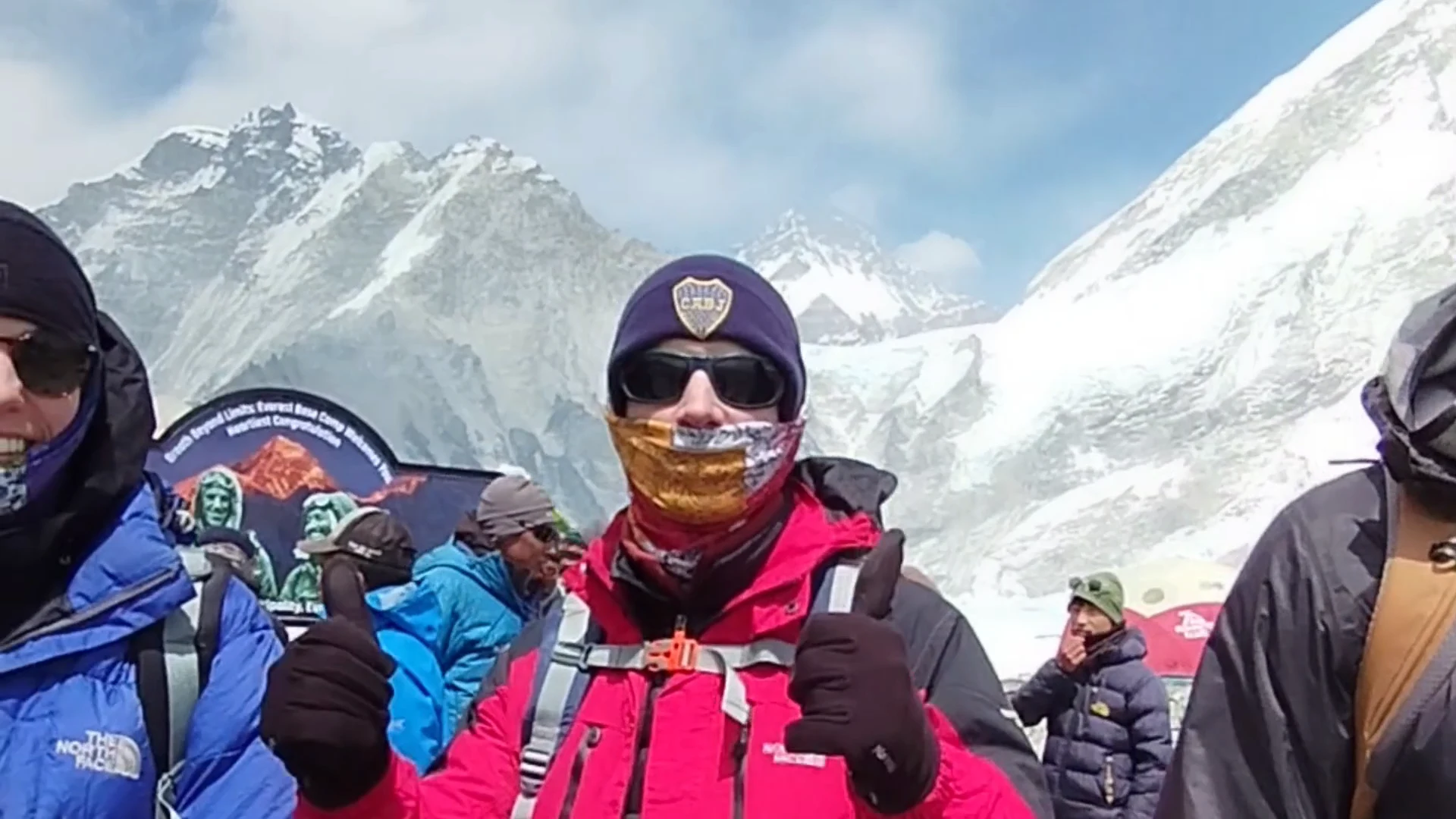
Read genuine feedback from trekkers who walked to Everest Base Camp (5,364 m), stood atop Kala Patthar (5,545 m), and enjoyed guided Kathmandu sightseeing with return nights in Tengboche and Monjo with Igloo Himalaya Treks.
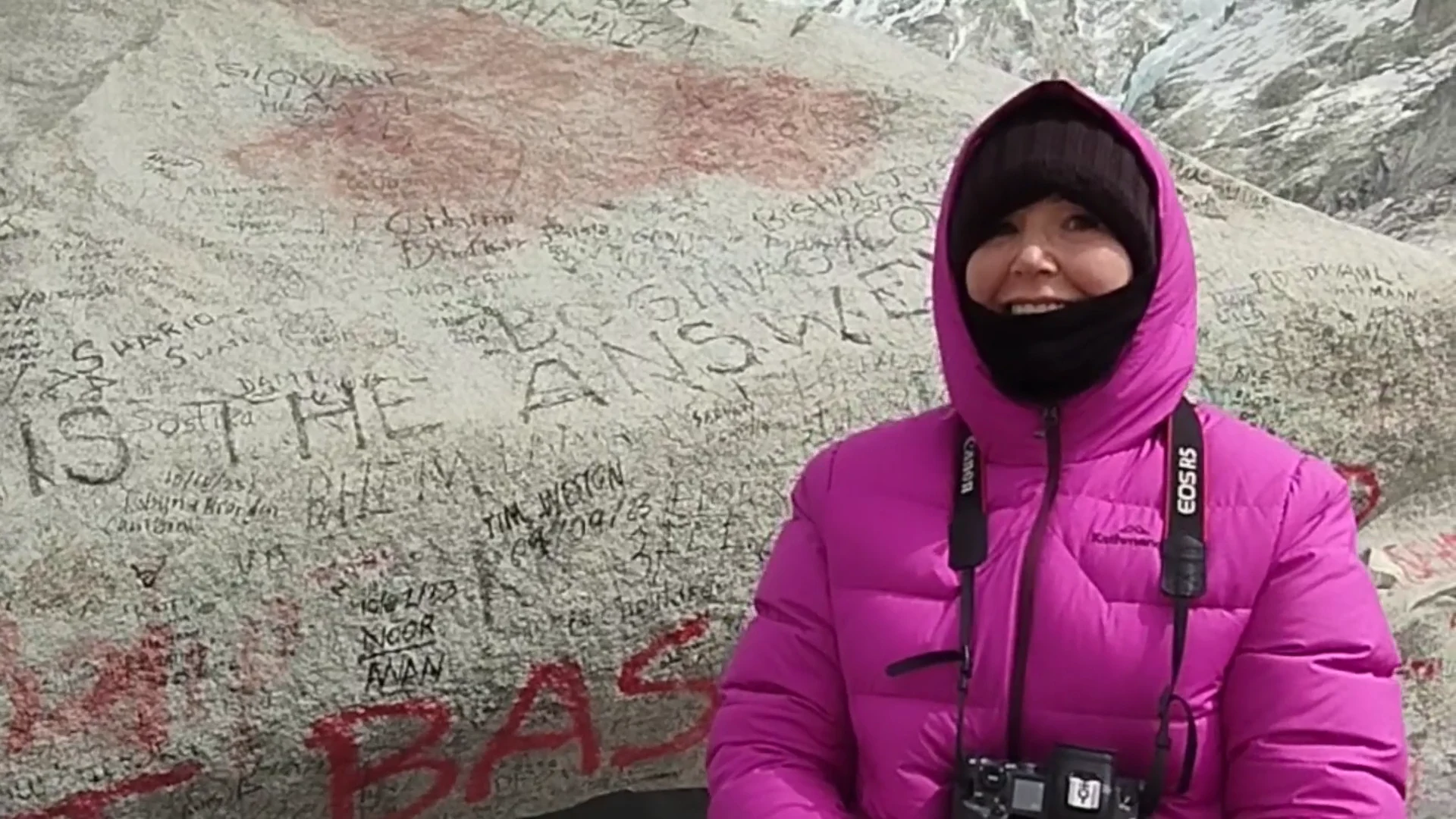
25 October
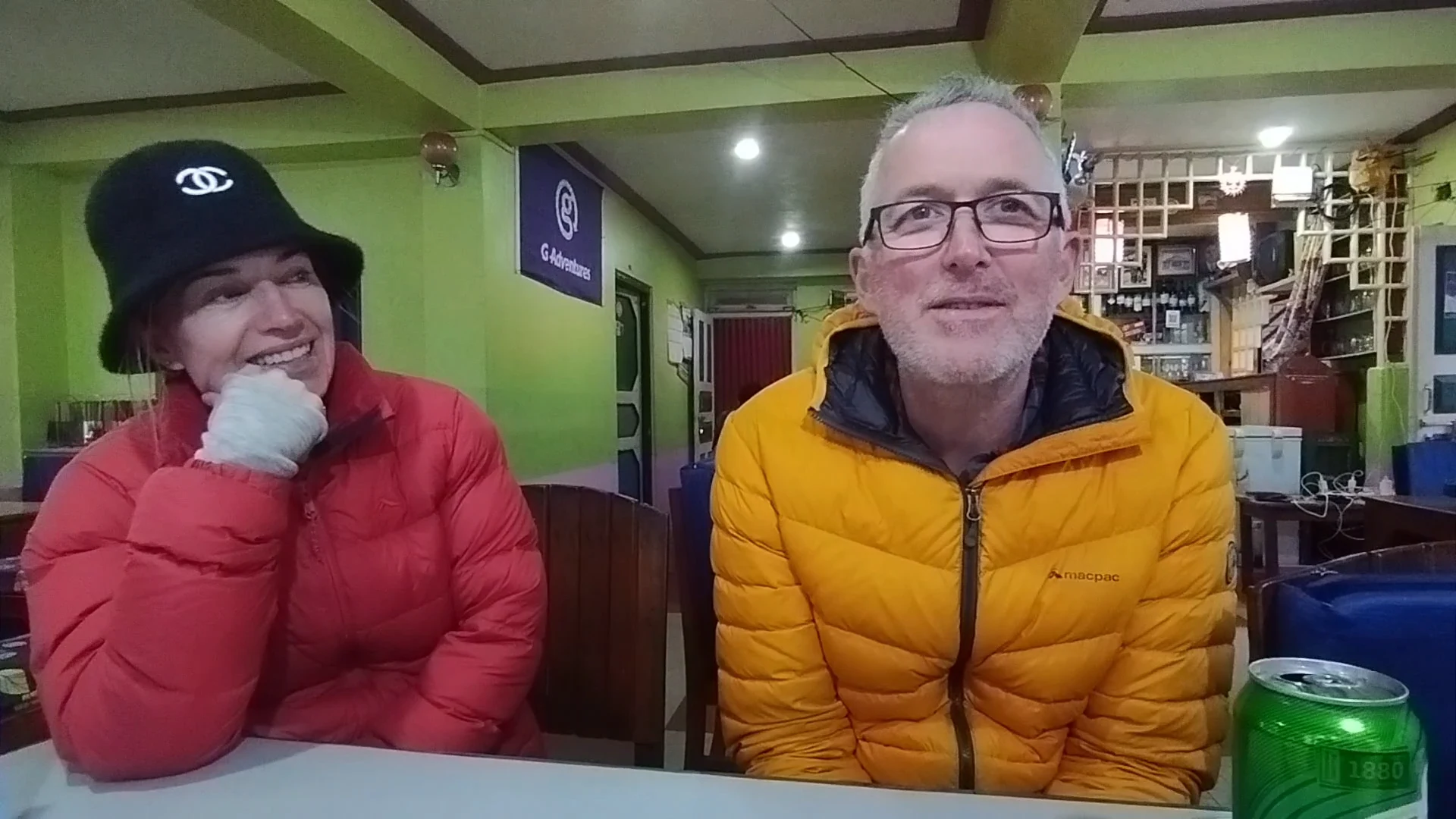
16 October
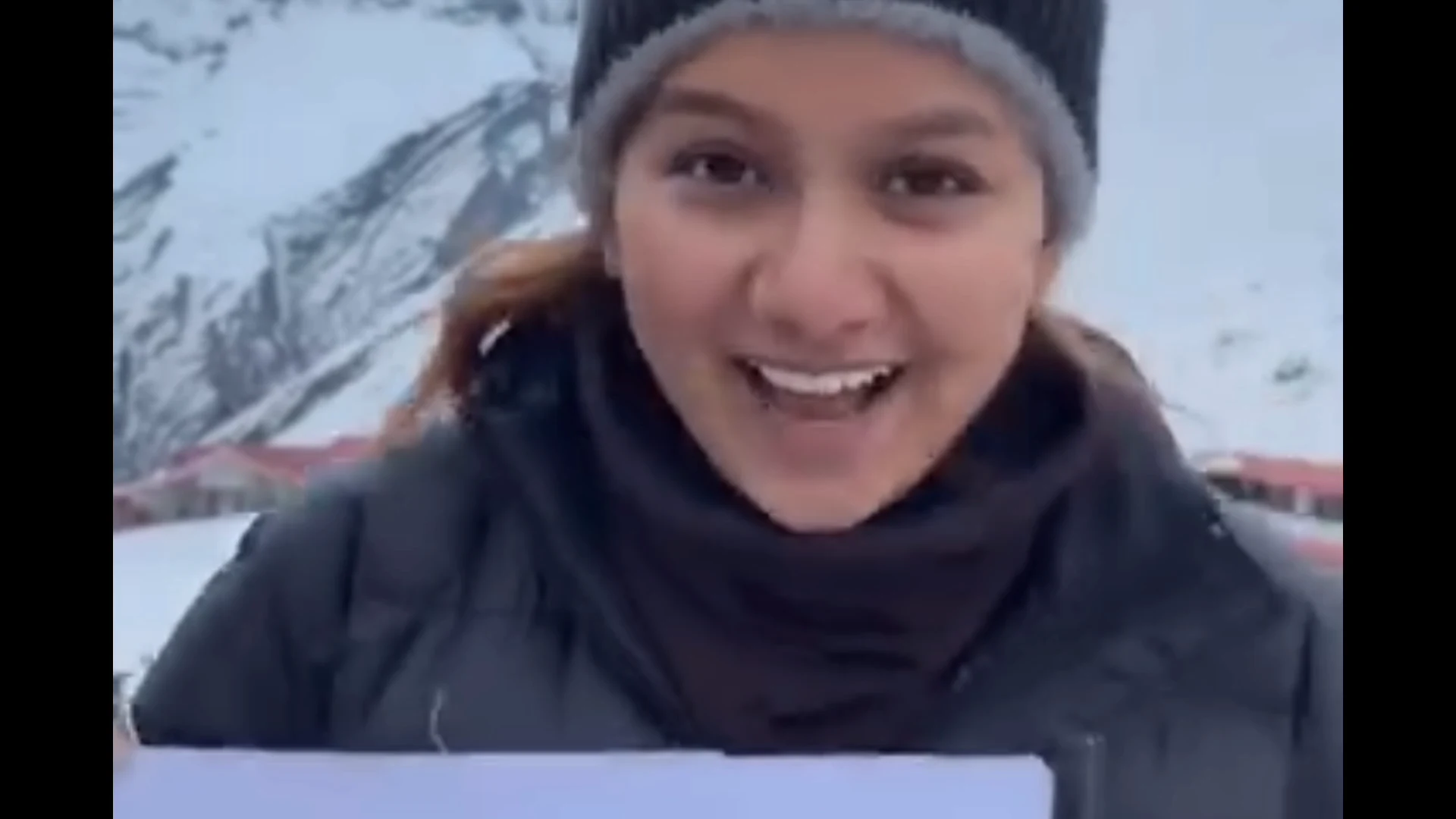
29 September
12 October
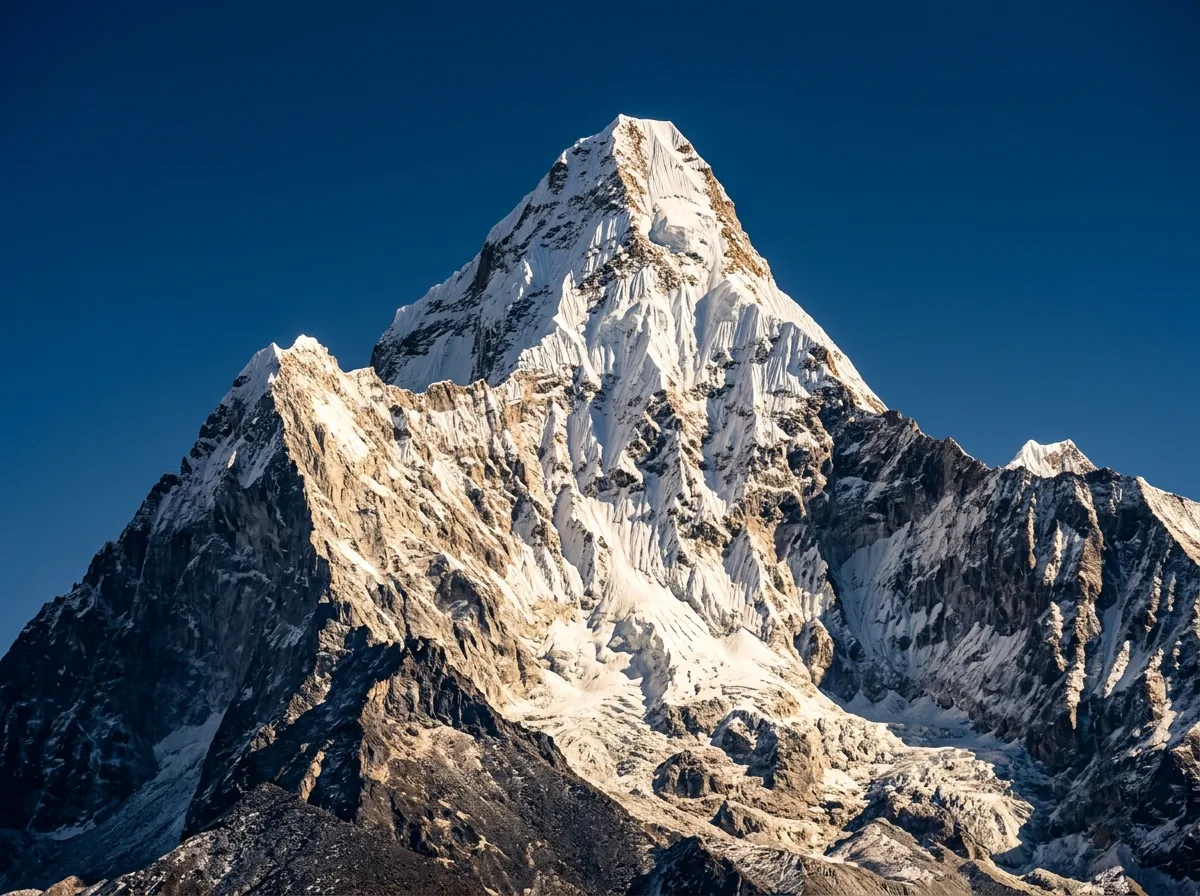
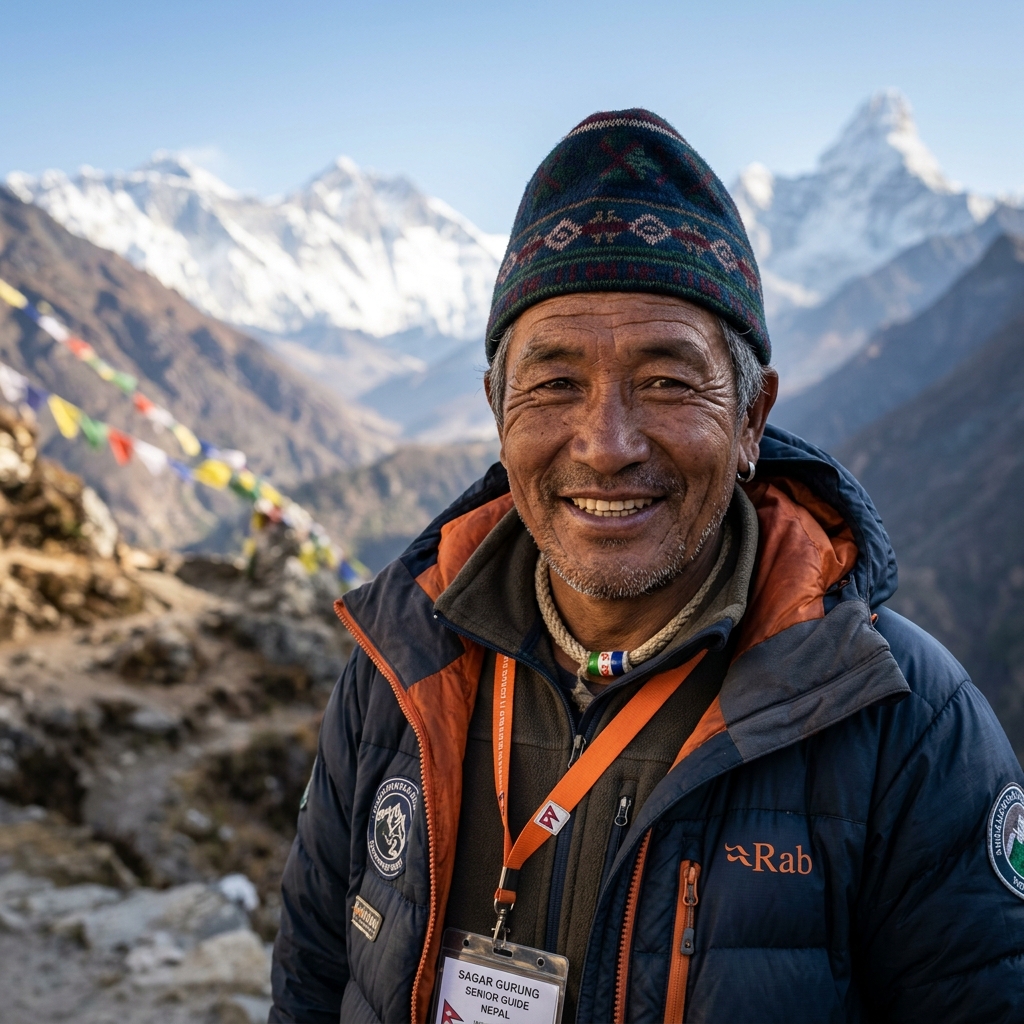 Guided by Sagar Gurung
Everest Base Camp Trek (16 Days) FAQs
General & Route
Can I do this trek without previous trekking experience?
∨
Yes, provided you prepare well and have suitable fitness. Previous hiking experience helps, but technical climbing skills are unnecessary. Before departure, practise longer hill walks with a daypack and become comfortable walking uphill and downhill on consecutive days.
What is the highest altitude on this itinerary?
∨
The highest planned point is Kala Patthar at approximately 5,545 metres, above Everest Base Camp at 5,364 metres. Your highest overnight stop is Gorak Shep at approximately 5,164 metres, where you stay after visiting Base Camp.
Can I see Mount Everest from Base Camp?
∨
Everest's summit is generally hidden behind nearby ridges from Base Camp itself. Kala Patthar provides the clearer view of Everest that many travellers expect. Our itinerary includes this viewpoint, although mountain visibility depends on the weather.
Do we sleep at Everest Base Camp?
∨
No. You visit Base Camp during the day and return to a teahouse in Gorak Shep for the night. The following morning includes the planned Kala Patthar hike before descending towards Pheriche. Camping at Base Camp is not included.
Are acclimatisation days complete rest days?
∨
They usually include a shorter hike above Namche Bazaar or Dingboche, followed by a return to the same village to sleep. Your guide adjusts the hike according to conditions and how the group is feeling.
Do I need to carry my main trekking bag?
∨
A porter carries your main trekking luggage, with one porter shared between two trekkers. You carry your daypack containing water, weather protection, medicines and other daily essentials. Keep your passport, money and valuables with you.
Do I need to bring a sleeping bag and down jacket?
∨
A sleeping bag is available free on request, and you can request a duffel bag. Bring your own down jacket, trekking boots, clothing, toiletries and electronics. Arrange borrowed equipment with us before departure and confirm return arrangements.
Is insurance covering trekking to 5,500 metres sufficient?
∨
A limit of 5,500 metres falls below the planned Kala Patthar elevation of approximately 5,545 metres. Ask your insurer to confirm coverage for the full route, emergency helicopter evacuation and medical treatment, including any relevant exclusions or conditions.
Does being fit protect me from altitude sickness?
∨
No. Good fitness helps with the walking demands, but it does not prevent altitude illness. Fit and experienced trekkers can also become unwell. Follow the acclimatisation schedule and report symptoms promptly instead of assuming fitness will protect you.
What should I do if I feel unwell at altitude?
∨
Tell your guide promptly about headaches, nausea, dizziness or unusual fatigue. Do not ascend to a higher sleeping altitude while experiencing symptoms of altitude illness. If symptoms worsen despite rest at the same elevation, descent is necessary.
Can I book as a solo traveller?
∨
Yes. You can enquire about joining a group departure or arranging a private trek. Send us your preferred dates so we can check the available options and confirm the price that applies to your booking.
How does this package differ from the shorter itinerary?
∨
The 16-day programme adds Kathmandu sightseeing and returns through Tengboche and Monjo, with an overnight stop in each village. Both packages include acclimatisation days in Namche and Dingboche. You fly to Kathmandu on Day 15 and depart on Day 16.
Book the Everest Base Camp Trek — 16 Days
Send us your preferred travel dates, group size and any questions about the trek. We'll check availability and confirm the price and arrangements for your group. If you are unsure whether the 16-day itinerary suits your fitness or schedule, tell us what you have in mind so we can help you plan.
MORE ADVENTURES
You Might Also Like
If you would prefer less time, an overland approach or a different route through the Everest region, consider these packages.
 14 Days
Everest Base Camp Trek - 14 Days
Follow the Everest Base Camp trail with two acclimatisation days in Namche and Dingboche. This fourteen-day itinerary returns through Namche and Lukla, leaving out Kathmandu sightseeing and the separate return overnights in Tengboche and Monjo.
 17 Days
Everest Base Camp Trek Without Flight - 17 Days
Approach the Everest region by road through Salleri and Paiya before joining the trekking trail. This package suits travellers who prefer to avoid Lukla flights and have time for longer road journeys.
 12 Days
Everest Base Camp Trek Helicopter Return - 12 Days
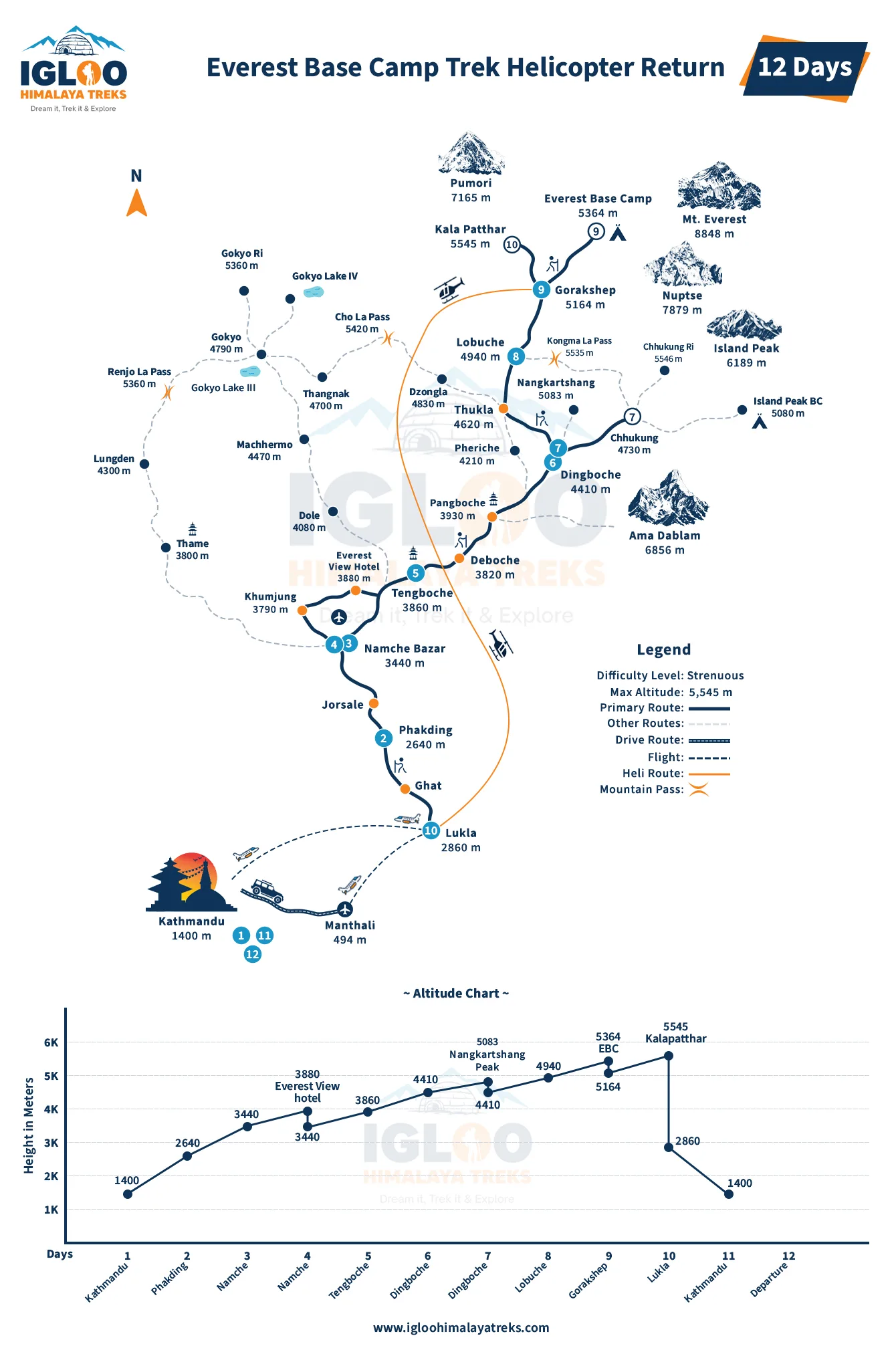
Trek to Everest Base Camp and visit Kala Patthar, then return from Gorak Shep to Lukla by helicopter. This replaces the several-day walk back, while retaining the demands of the uphill trek. Flights remain subject to operating conditions.
 12 Days
Gokyo Lakes Trek - 12 Days
Explore the Gokyo Valley and its glacial lakes, with a climb to Gokyo Ri for mountain views in clear weather. Choose this route if lakes and a different Everest-region viewpoint interest you more than reaching Base Camp.
Enquire about your preferred package for current prices and availability.