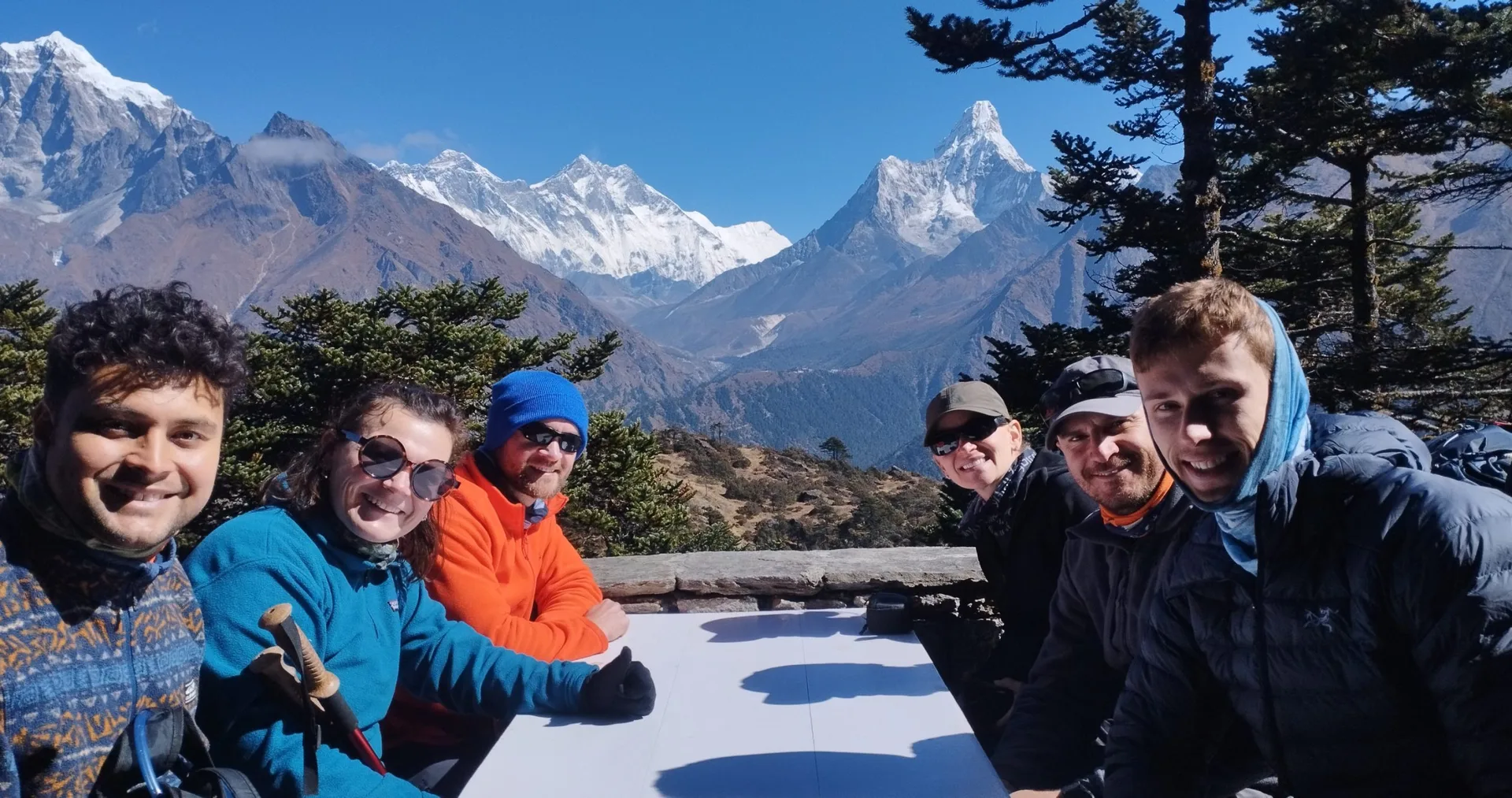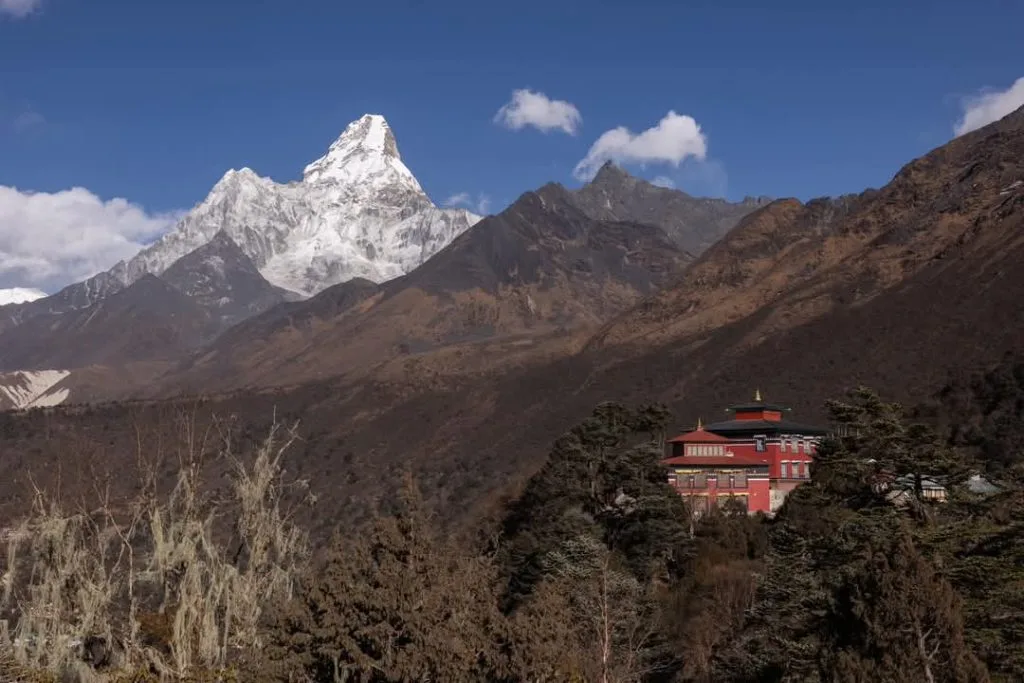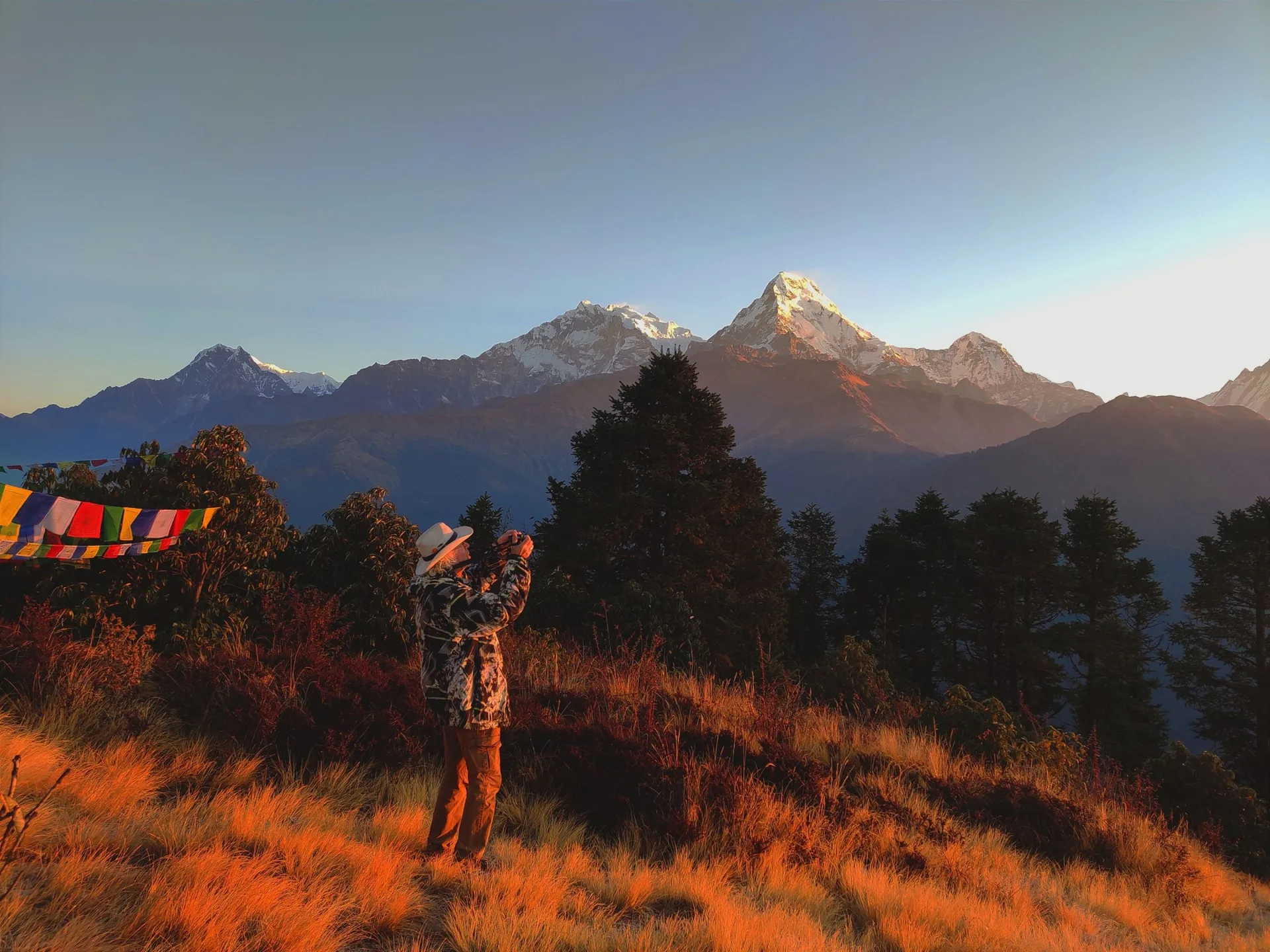
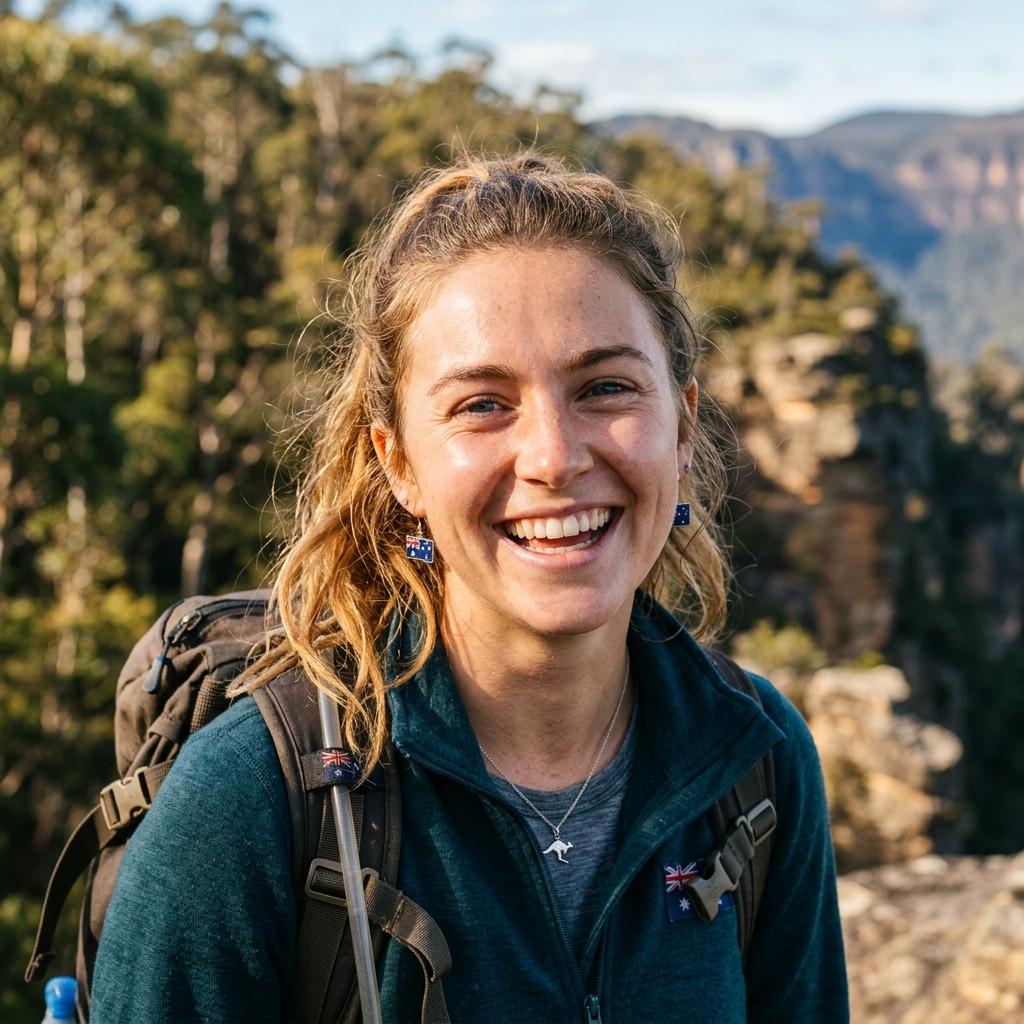
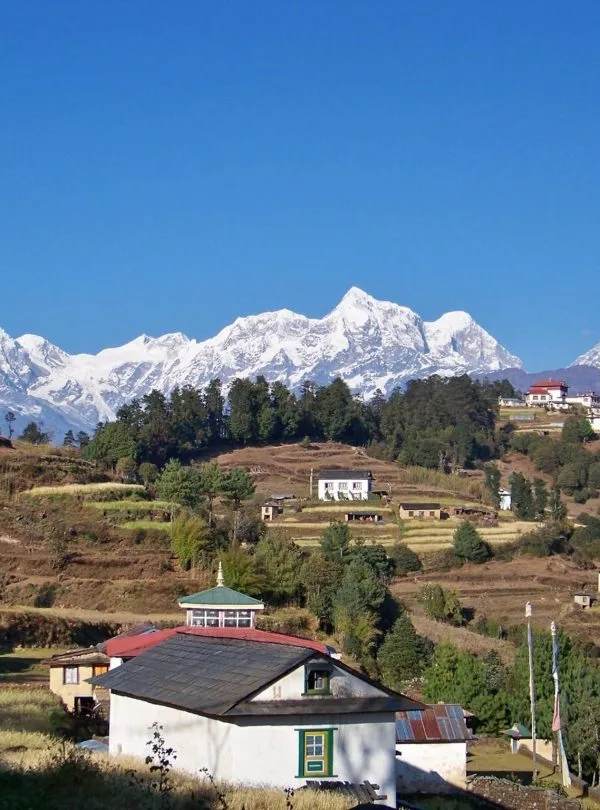
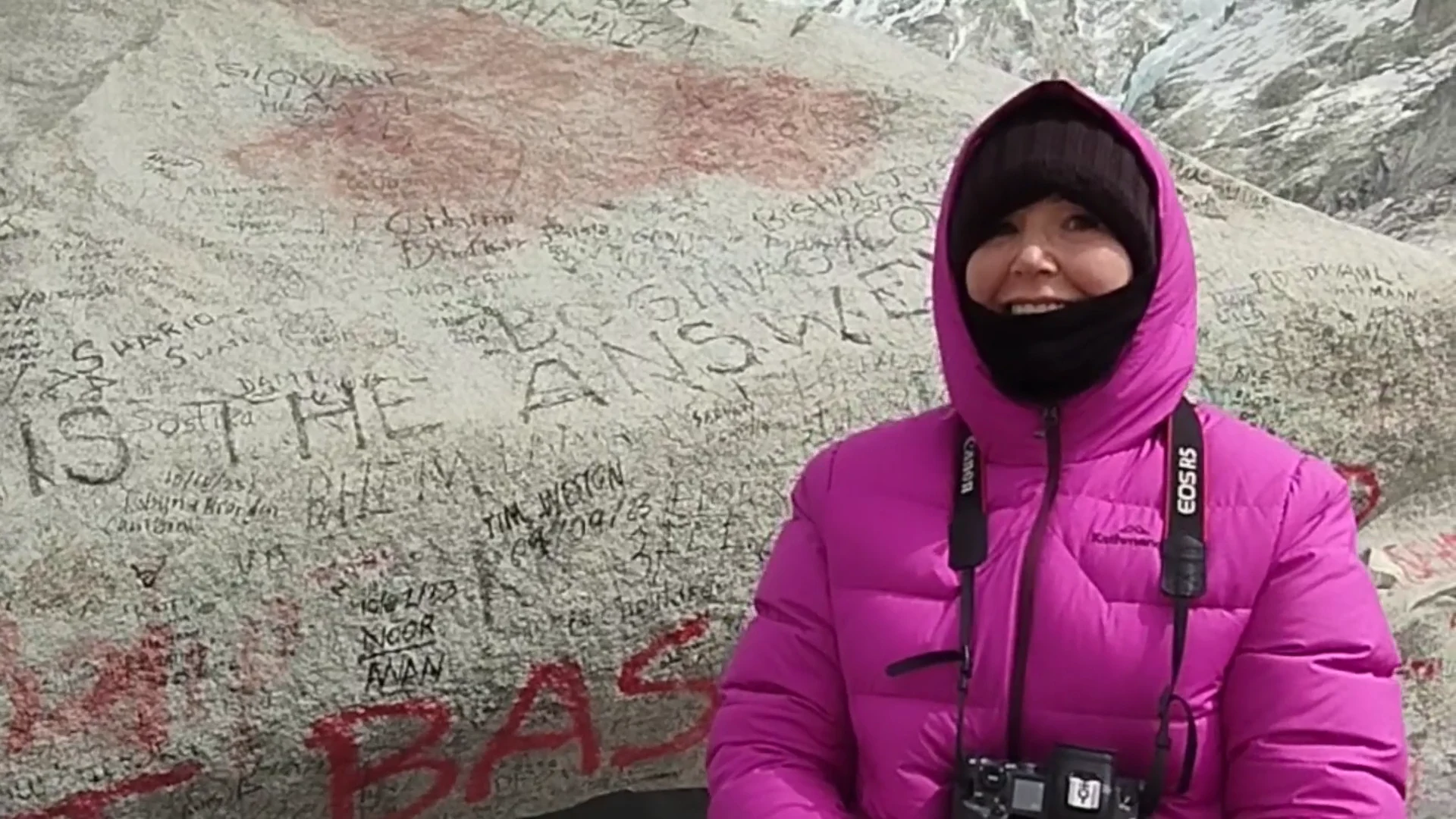
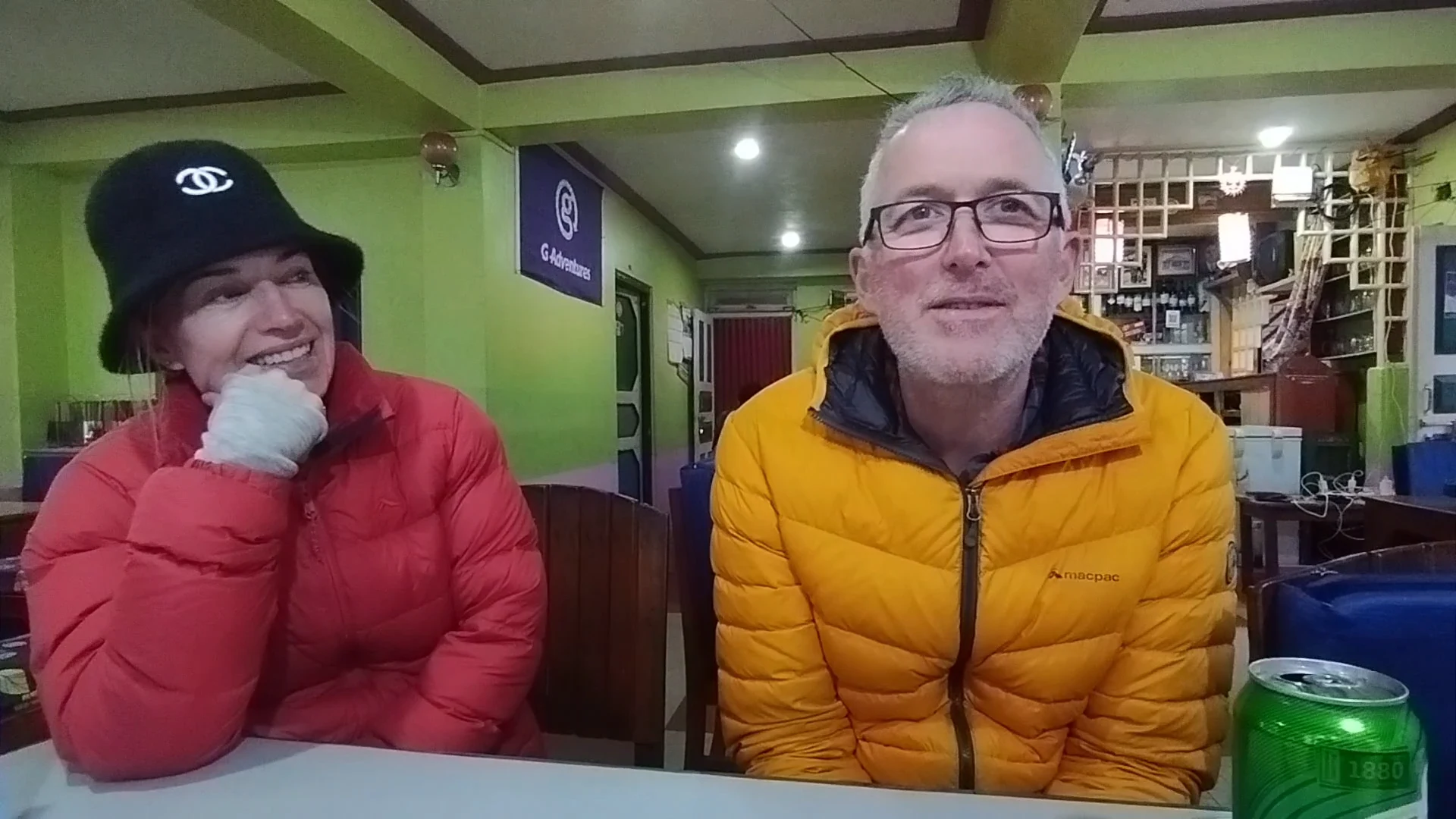
Sir Edmund Hillary was absolutely right when he called Pikey Peak his favourite vantage point in Nepal. Reaching the summit viewpoint (4,065 m) just as dawn broke over Everest, Makalu, and Kanchenjunga was completely surreal. The early ascent in the dark with headlamps was steep, but having warm tea waiting at the lodge in Jase Bhanjyang made it so rewarding. Our guide Sagar monitored our pace perfectly and explained every stupa, prayer wheel, and monastery custom along the way.
Lower Solukhumbu • Classic Sunrise & Monastery Trek
5.0
reviews on TripAdvisor
5.0
180+ reviews on Google
Pikey Peak Trek (10 Days)
Walk through the lower Solukhumbu hills to Pikey Peak for sunrise, then continue to Junbesi and Thupten Chholing Monastery. This ten-day journey begins with a drive to Dhap Bazaar, followed by village paths through Jhapre and an overnight stop near Pikey Peak Base Camp. The summit viewpoint reaches approximately 4,065 m, with Himalayan views in clear weather.
Travelers' Choice
Best of the Best 2026
Key Trip Facts
DURATION
10
Days
10 days, including six walking days and
two road journeys
DIFFICULTY
Moderate
Moderate; long walking stages, steep
sections and an early summit hike
MAXIMUM
ALTITUDE
4,065
m (13,336 ft)
Pikey Peak summit viewpoint,
approximately 4,065 m
DESTINATION
Nepal
Lower Solukhumbu Region
ACTIVITY
Trekking
Ridge walking & cultural monastery
visit
ACCOMMODATION
Hotels
& Mountain Lodges
2 nights in Kathmandu; 7 lodge nights
along the mountain route
TRANSPORT
Overland
4WD / Shared
Kathmandu–Dhap and Phaplu–Kathmandu by
jeep or shared vehicle; airport transfers
MEALS
Full
Board on Trek
Kathmandu breakfasts; trekking meals;
seasonal fruit and chocolate after trekking dinners
RECOMMENDED
SEASON
Spring
& Autumn
Spring (March–May) and autumn
(September–November)
TREK
STARTS
Dhap
Bazaar
Reached by road from Kathmandu
TREK
ENDS
Phaplu
Overland return hub to Kathmandu
TREK
REGION
Everest
/ Lower Solukhumbu
Himalayan foothills & Sherpa
heartland
PACKAGE
START POINT
Kathmandu
Tribhuvan International Airport
(KTM)
PACKAGE
END POINT
Kathmandu
Tribhuvan International Airport
(KTM)
Pikey Peak Sunrise Trek Overview
Our ten-day Pikey Peak Trek follows a route through lower Solukhumbu, combining a sunrise viewpoint with Sherpa villages and a monastery visit near Junbesi. You reach Pikey Peak at approximately 4,065 m, then continue towards Phaplu. Road journeys connect both ends of the walking route with Kathmandu, making domestic flights unnecessary for this supplied itinerary.
After driving to Dhap Bazaar, you walk through Jhapre and continue towards Pikey Peak Base Camp. Forest paths lead onto open ridges and grazing ground, with prayer flags and Buddhist monuments along parts of the approach. The route includes climbs and descents between villages. At base camp, prepare warm clothing and a headlamp for the early start, when the summit trail is walked before sunrise in the dark.
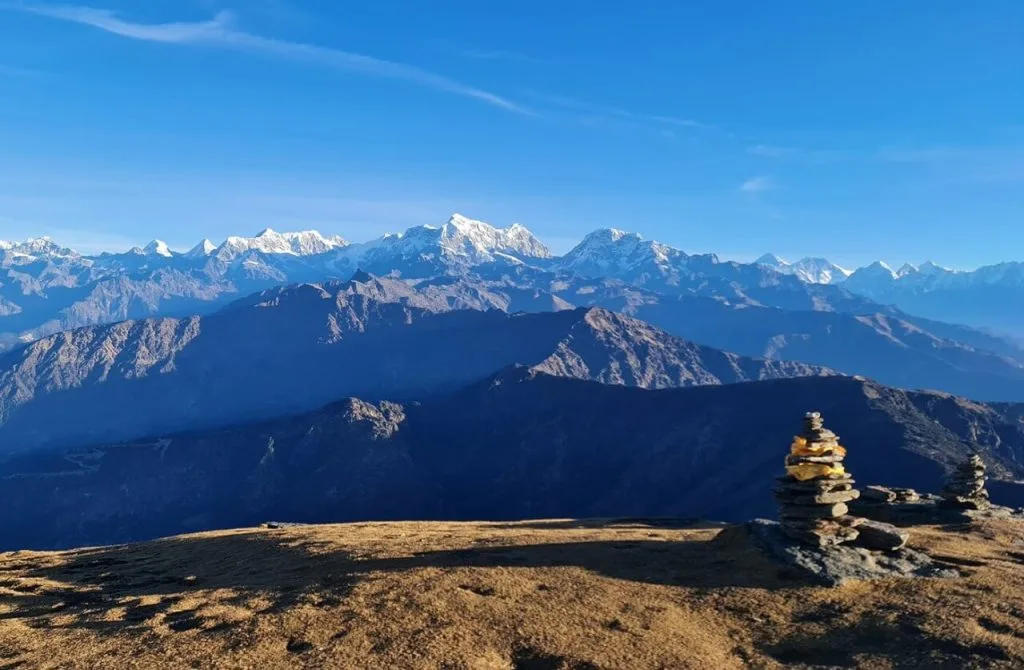
From Pikey Peak, clear weather offers views towards Everest and other Himalayan peaks across the northern horizon. Descend to Jase Bhanjyang and continue to Junbesi, where the programme includes two nights. A day for Thupten Chholing Monastery leaves time to explore before the final walk to Phaplu and the return drive to Kathmandu through hills.
This is a walking trek, with no technical climbing normally required. You need to prepare for several long days, uneven ground and the steep summit approach. The itinerary has no separate acclimatisation day before the peak, and the night at base camp brings a noticeable rise in elevation. Your guide adjusts plans when weather, health or trail conditions require changes.
You stay in mountain lodges and a Kathmandu hotel. The programme includes arrival, the walking route, monastery exploration and road journeys before departure from Nepal on Day 10.
Key Route Highlights & Destinations
Dhap Bazaar
Jhapre
Pikey Peak Base Camp
Pikey Peak (4,065 m)
Junbesi
Thupten Chholing
Sunrise over Everest
Buddhist Monasteries
2 Nights in Junbesi
100% Overland Route
Pikey Peak Sunrise Trek Highlights
Why Book the Pikey Peak Sunrise Trek with Igloo Himalaya Treks?
Trek Briefing and Gear Check
Before leaving Kathmandu, we explain the programme, check your essential equipment and help with last-minute preparations. You can ask questions about the walking days, accommodation and what to carry.
Guide and Porter Support
Your package includes a trekking guide, porters and support staff. Your guide leads the walking route and explains local landmarks, while porters carry your agreed main luggage allowance between overnight lodges.
Equipment Planning for the Trek
Prepare your own sleeping bag, down jacket and trekking bag unless your quotation confirms loan equipment. We review suitable clothing, the summit headlamp and rental needs before your journey to Dhap.
Communication When Plans Change
Road conditions can affect the journeys to Dhap and from Phaplu. Our team discusses alternatives when plans change, including any additional accommodation or transport costs outside the services agreed in your quotation.
Day 1: Arrival in Kathmandu
Arrival & Transfer — Kathmandu (1,400 m / 4,593 ft) — Welcome Briefing & Gear Inspection
Welcome to Nepal. Our representative meets you at Tribhuvan International Airport and takes you to your hotel. After settling in, we discuss the walking programme, check your equipment and answer questions about the route and lodge arrangements.
Depending on your arrival time, you can rest after the flight or explore the nearby streets. Prepare your trekking bag and keep essential items accessible for tomorrow’s road journey to Dhap Bazaar.
Day 2: Drive from Kathmandu to Dhap Bazaar
Scenic Overland Drive — Dhap Bazaar (2,850 m / 9,350 ft) — 7–8 hrs drive · 240 km
We leave Kathmandu by road towards Dhap Bazaar. The journey passes river valleys, terraced hills and roadside villages, with changing surfaces as we approach the trek’s starting point.
We allow breaks during the drive and keep you informed about progress. On reaching Dhap, settle into your lodge and organise your gear. Tonight’s elevation is higher than Kathmandu, so take things gently and report discomfort before tomorrow’s walk.
Day 3: Trek from Dhap Bazaar to Jhapre
Village & Forest Walk — Jhapre (2,815 m / 9,235 ft) — 5–6 hrs · 14 km
The first walking stage follows village paths and forested hillsides towards Jhapre. Pine and rhododendron line sections of the route, with mountain views where the trees thin and skies clear.
Prayer flags and mani walls introduce the Buddhist traditions of these villages. The trail combines climbs and descents, although tonight’s published elevation is below Dhap. On arrival in Jhapre, settle into the lodge and explore nearby paths if time allows. In clear weather, Everest and Numbur can be visible from the village and surrounding slopes.
Day 4: Trek from Jhapre to Pikey Peak Base Camp
Ascent to Base Camp — Pikey Peak Base Camp (3,640 m / 11,942 ft) — 6–7 hrs · 13 km
Leaving Jhapre, we climb towards Pikey Peak Base Camp through forest and grazing ground. Open ridges provide wider views as the route gains height above the villages and wooded slopes below.
Today brings a substantial increase in sleeping altitude, so walk steadily and tell your guide how you feel. At base camp, check into the lodge and prepare your headlamp, warm layers and gloves. Rest helps you prepare for tomorrow’s pre-dawn ascent to the viewpoint and onward trek to Jase Bhanjyang.
Day 5: Summit Pikey Peak and Trek to Jase Bhanjyang
Sunrise Summit & Descent — Jase Bhanjyang (3,520 m / 11,548 ft) — Summit 4,065 m · 6–7 hrs · 10 km
We start before dawn and follow the uphill path towards Pikey Peak. A headlamp and warm layers are essential, with uneven ground and exposed sections requiring attention in darkness.
At the summit, clear weather reveals Everest and a broad line of Himalayan peaks, including Makalu and Kanchenjunga. Spend time looking across the ridges before beginning the descent. Cloud or wind may affect the visit’s timing.
After the viewpoint hike, continue along the route towards Jase Bhanjyang. The trail crosses ridges and grazing ground before reaching the lodge for a lower overnight stop.
Day 6: Trek from Jase Bhanjyang to Junbesi
Forest Descent to Heritage Village — Junbesi (2,700 m / 8,858 ft) — 6 hrs · 12 km
We leave Jase Bhanjyang and descend through forest towards Junbesi. Village paths and hillside views mark the approach, bringing a different setting after the open ridges around Pikey Peak.
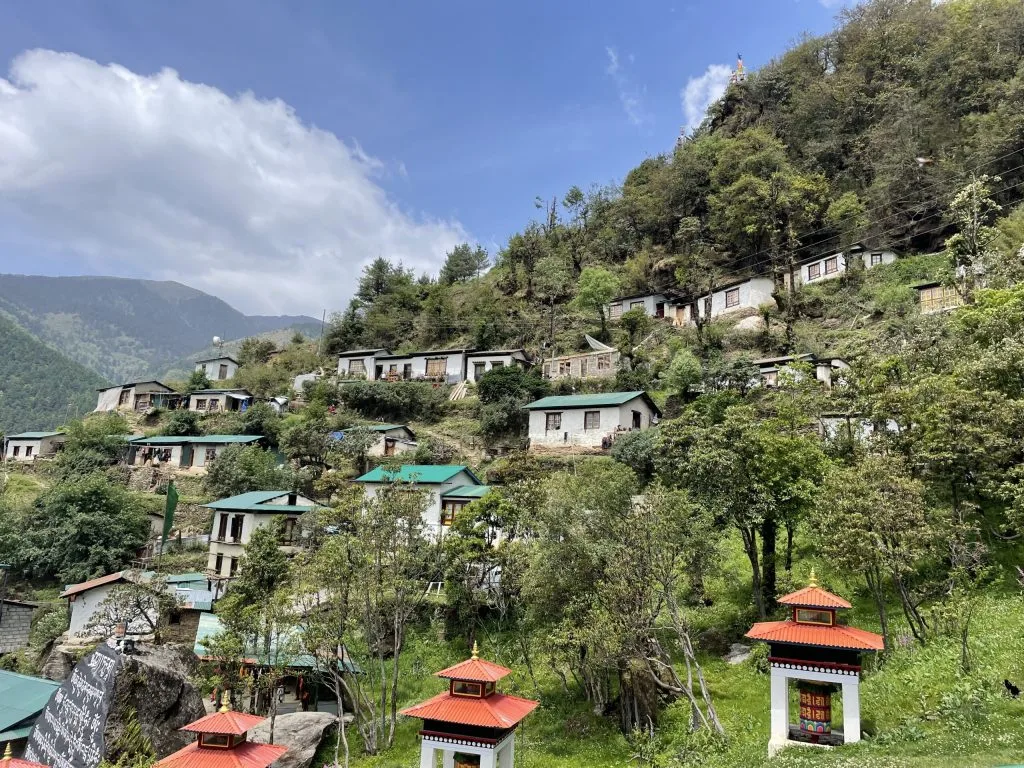
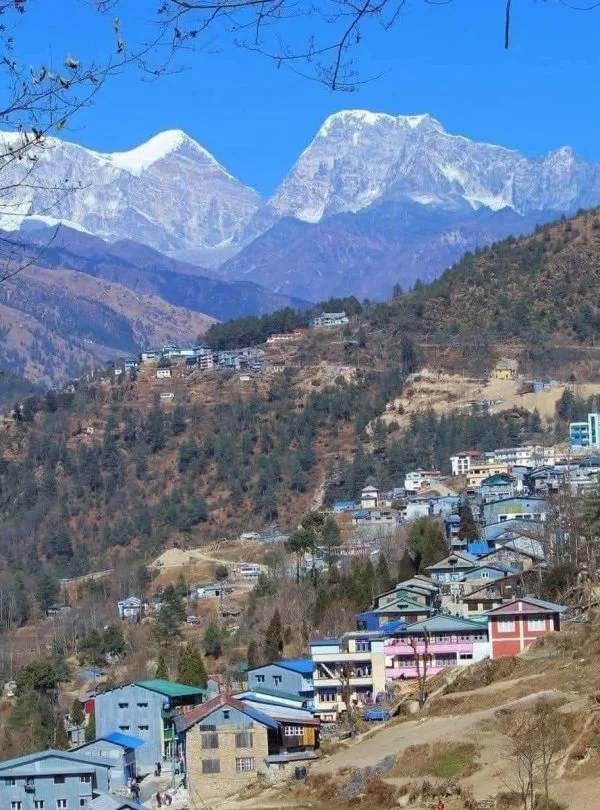
Junbesi has stone houses and Buddhist monasteries, with village lanes to explore once you settle into the lodge. We spend two nights here, so there is time to rest after the descent. Tomorrow’s programme centres on a visit to Thupten Chholing Monastery before returning to the village for another night.
Day 7: Exploration Day and Visit to Thupten Chholing Monastery
Cultural Monastery Excursion — Junbesi (2,700 m / 8,858 ft) — Monastery Visit 3,000 m · 2–3 hrs walking
Today’s exploration follows the path above Junbesi to Thupten Chholing Monastery. This is an active Buddhist community, so the visit follows local customs and the areas open to visitors on the day you arrive.
Your guide explains local customs before entering. Ask before taking photographs, keep voices low and respect restricted rooms or ongoing activities. After the visit, walk back to Junbesi. Rest or explore the village lanes before tomorrow’s final trekking stage towards Phaplu begins.
Day 8: Trek from Junbesi to Phaplu
Valley Trail & Final Walk — Phaplu (2,470 m / 8,103 ft) — 6–7 hrs · 11 km
Our final trekking stage leads from Junbesi towards Phaplu through forest and farmland. Village paths and river crossings add variety as the route descends towards the road connection for Kathmandu tomorrow.
Although the day finishes lower, the trail still includes uneven sections and changes in gradient. Keep a steady pace and take breaks along the way. Once in Phaplu, check into your lodge and organise your bags. Confirm the next morning’s departure with the team before your final mountain lodge night.
Day 9: Drive from Phaplu to Kathmandu
Overland Return Drive — Kathmandu (1,400 m / 4,593 ft) — 7–8 hrs drive · Valley Highways
We prepare for the journey back to Kathmandu. The drive returns through hills and river valleys, with timing dependent on road conditions, traffic and stops along the route.
After reaching Kathmandu, transfer to your hotel and rest. If time allows, you can shop or take a walk. Organise your belongings and confirm tomorrow’s airport transfer with our team. Allow flexibility if the drive takes longer than planned.
Day 10: Departure from Kathmandu
Airport Transfer & Departure — Kathmandu / International Flight — Final Farewell & Airport Transfer
Your ten-day Pikey Peak Trek ends today. After breakfast, prepare for your onward flight. Depending on your departure time, there may be an opportunity for a final walk near your hotel before leaving the city.
Our representative accompanies you to Tribhuvan International Airport for your departure.
What’s Included in the Pikey Peak Sunrise Trek
Airport transfers
Pickup and drop-off for your arrival and departure in Kathmandu.
Road transport
Kathmandu to Dhap and Phaplu to Kathmandu by jeep or shared vehicle; confirm your allocated transport beforehand.
Accommodation
Two nights in a three-star Kathmandu hotel, plus seven lodge nights along the route. Confirm room sharing and available facilities before finalising your trek.
Meals
Kathmandu breakfasts and trekking breakfast, lunch and dinner; seasonal fruit after trekking dinners.
Guide and porters
A trekking guide, porters and support staff for the agreed walking days.
Permits and route fees
Necessary permits and applicable route charges included; the guide manages checkpoint formalities along the way.
Monastery excursion
A visit to Thupten Chholing from Junbesi on Day 7, with access dependent on local permissions and road conditions.
First-aid supplies
Safety and first-aid equipment are included for the trekking group.
Arrival briefing
Review the walking programme and preparations after reaching Kathmandu.
Sunrise hike
Guided pre-dawn ascent of Pikey Peak and onward trekking towards Jasmane Bhanjyang.
What’s Not Included in the Pikey Peak Sunrise Trek
International flights and Nepal visa
Airfare to and from Nepal and your visa fee.
Travel insurance
Your policy must cover the full trekking altitude, medical treatment and emergency evacuation.
Emergency expenses
Helicopter rescue, evacuation and medical treatment costs are excluded.
Personal equipment
Boots, clothing, sleeping bag and other gear unless specifically confirmed as provided.
Extra food and drinks
Personal snacks, bottled water and beverages beyond the included meals.
Other Kathmandu meals
Lunches and dinners unless specifically included in your confirmed quotation.
Lodge extras
Hot showers, Wi-Fi and other chargeable services.
Guide and porter tips
Gratuities for your trekking team.
Additional accommodation or transport
Extra costs may apply when road delays, itinerary changes or personal circumstances extend the trip.
Pikey Peak Sunrise Trek Dates & Availability
Group Departures
Join fellow trekkers on set departure dates with guaranteed departures, fixed transparent per-person rates, and dedicated Sherpa guides.
Private Trek Dates
Prefer your own group or custom schedule? Pick any date on our calendar or message us directly on WhatsApp for tailored itinerary arrangements.
08
SEP
Sep 8 – Sep 17, 2026
AVAILABLE$955 pp
21
SEP
Sep 21 – Sep 30, 2026
GUARANTEED$955 pp
What to Pack for the Pikey Peak Sunrise Trek
Pack layers for warmer walking days, cold mornings and evenings, and changing weather at higher elevations. Keep water, a warm layer, rain protection, medicines and valuables in your daypack. Use your main duffel for the rest of your belongings.
Hiking Gear
Footwear, technical trekking poles, daypack and trail protection
Clothing & Layering
Moisture-wicking base layers, insulating fleece, down jacket and waterproof shells
Sleeping Equipment
Sub-zero sleeping bags and hygienic liners for mountain lodges
Toiletries & Hygiene
Sanitation, high-SPF sun protection, personal medication and first aid
Electronics & Power
Cold-resistant lithium battery packs, summit headlamp, cables and wall adapters
Documents & Personal Items
Passports, permits, travel insurance, cash reserves and UV sunglasses
Luggage Reminder: Domestic flights & helicopter shuttles carry a strict 15 kg (33 lbs) weight allowance per trekker (10 kg duffel + 5 kg daypack). Excess luggage can be stored securely free of charge at our Kathmandu hotel.
Download / Print Checklist PDF →
1. Trek Difficulty and Fitness
Essential preparation and guidelines for trek difficulty and fitness
Pikey Peak is a moderate trek with walking stages and a steep pre-dawn viewpoint hike. Paths include forest trails, ridges and uneven ground, with days taking five to seven hours. Technical climbing skills are normally unnecessary, but endurance and careful footing remain important throughout the journey.
Previous hiking experience is helpful. First-time trekkers should build their endurance before departure and become comfortable walking uphill and downhill with a daypack.
Begin preparing around two to three months beforehand, allowing longer if you are starting from a low fitness level. Gradually combine regular walks, hill hikes and strength exercises. Practise in the boots you will wear on the trek.
2. Altitude and Acclimatisation
Essential preparation and guidelines for altitude and acclimatisation
The programme has no dedicated acclimatisation day before Pikey Peak. The Jhapre to base camp stage gains substantial sleeping altitude, so your guide assesses health and adjusts plans accordingly.
Tell your guide immediately about headaches, nausea, dizziness or unusual fatigue. Do not continue to a higher sleeping altitude while experiencing symptoms of altitude illness. If symptoms worsen despite resting at the same elevation, descent is necessary. Reaching the viewpoint must remain secondary to your health.
3. Medical Conditions and Travel Insurance
Essential preparation and guidelines for medical conditions and travel insurance
If you have an existing medical condition, seek advice from a healthcare professional familiar with high-altitude travel before booking. Discuss your planned route and any medicines you take.
Travel insurance is required for this package. Confirm trekking cover to approximately 4,065 metres, medical treatment and emergency helicopter evacuation in Nepal. The road approach does not remove altitude risks. Check exclusions, excess charges and the assistance procedure; carry policy details and contacts.
4. Accommodation and Room Facilities
Essential preparation and guidelines for accommodation and room facilities
The package includes two Kathmandu hotel nights and seven mountain lodge nights. Basic twin rooms and shared toilets are usual along the trail; confirm Kathmandu room sharing and private-room arrangements beforehand.
Lodges near Pikey Peak Base Camp and Jase Bhanjyang have fewer facilities than city hotels. Expect cold nights and simple rooms, with hot showers and charging dependent on local availability. Bring suitable sleeping equipment for your season.
5. Food and Dietary Requirements
Essential preparation and guidelines for food and dietary requirements
Breakfast, lunch and dinner are included during the trek. Teahouse menus commonly offer dal bhat, noodles, potatoes, soups and other straightforward meals.
Tell us about allergies or dietary requirements before booking so we can discuss what can be arranged along the route. Explain any strict requirements clearly, including concerns about shared cooking equipment.
6. Drinking Water
Essential preparation and guidelines for drinking water
Carry reusable bottles and drink boiled or appropriately treated water. Water from a clear stream or an untreated tap may still contain germs.
Boiling is the most reliable way to kill germs. If boiling is unavailable, filtration followed by disinfection offers broader protection than many portable filters alone. Follow the instructions for your treatment equipment or tablets.
7. Guide and Porter Support
Essential preparation and guidelines for guide and porter support
A trekking guide leads the route, with porters carrying the agreed main luggage allowance. You carry your daypack and daily essentials. Confirm porter allocation, baggage limits and guide language before departure with us.
8. Showers, Charging and Communication
Essential preparation and guidelines for showers, charging and communication
Hot showers and Wi-Fi cost extra where available; confirm charging and other lodge charges before use. Connections and power supplies vary between villages. Carry a power bank and spare headlamp batteries, and tell family that you may be out of contact during parts of the trek.
9. Permits and Documents
Essential preparation and guidelines for permits and documents
Necessary permits and route fees are included. We confirm the documents required for your Dhap–Pikey–Junbesi–Phaplu route before departure. Carry your passport, insurance details and copies of important documents. Your Nepal visa remains your responsibility throughout travel.
10. Road Delays and Extra Time
Essential preparation and guidelines for road delays and extra time
Road conditions, traffic and landslides can delay the Dhap and Phaplu journeys. Allow flexibility around the drives and your onward travel arrangements after trekking.
There is no separate road-delay buffer day. Accommodation or transport outside agreed services may cost more; discuss options with our team if conditions change.
Altitude Profile of the Pikey Peak Sunrise Trek
Your first mountain night is in Dhap, followed by Jhapre and the lodge area at Pikey Peak Base Camp. Summit day reaches 4,065 m before descending to Jase Bhanjyang. Two Junbesi nights follow. The table separates sleeping elevations from the higher daytime Pikey Peak viewpoint.
ELEVATION TRAJECTORY
Interactive Elevation Map & Trail Gradient
Key Places You Visit
Day 4
3,640 m
Pikey Peak Base Camp
Around 3,640 m, where you spend your highest night.
Day 5
4,065 m
Pikey Peak viewpoint
Approximately 4,065 m, before descending to Jase Bhanjyang for the night.
Day 7
3,000 m
Thupten Chholing Monastery
Around 3,000 m, with the excursion followed by another Junbesi night.
Day 8
2,470 m
Phaplu
Around 2,470 m, the final trekking stop before the drive to Kathmandu.
The two Junbesi nights support the monastery excursion after the peak. They are not an acclimatisation stop before the base camp night or summit hike.
Weather and Best Time for the Pikey Peak Sunrise Trek
Spring, from March to May, and autumn, from September to November, are generally the main seasons for the Pikey Peak Trek. Both offer opportunities for mountain views, although cloud, wind and snowfall can affect the summit morning and road access in either season independently.
TEMPERATURE & CLIMATE
Interactive Temperature Graph & Climate Trends
Seasonal Weather Conditions
Spring
March–MayLower forest trails gradually warm, with rhododendrons possible along the approach. March can retain snow near base camp and the summit. Later spring brings longer daylight, while afternoon haze or cloud can reduce mountain visibility.
Autumn
September–NovemberEarly September may retain monsoon rain and cloud. October and November often offer clearer mountain views, with colder mornings and nights as winter approaches. Wind can make the sunrise hike feel much colder.
Winter
December–FebruaryExpect cold lodge nights, shorter daylight and possible snow or ice around base camp and the summit. Confirm lodge access and trail conditions before choosing winter dates. Clear skies do not guarantee an accessible viewpoint.
Monsoon
June–August, sometimes extending into SeptemberRain can make forest paths slippery, while cloud hides the mountain views. Road conditions may deteriorate after heavy rainfall. Allow flexibility for landslides, slower journeys and changes to the walking programme.
These are seasonal patterns; conditions can vary from year to year and during an individual trek.
How Weather Changes Along the Route
Walking near Dhap and Junbesi can feel warm in sunshine. Base camp and the summit are colder, particularly before sunrise, when wind and slow movement can increase exposure on ridges.
Even during spring and autumn, temperatures near the summit can fall below freezing. The pre-dawn start means walking before sunlight warms the ridge. Keep warm layers, gloves and a headlamp accessible, with rain protection ready for changing conditions throughout.
Which Season Should You Choose?
Spring Recommendation:
Mild daylight temperatures, blooming rhododendrons, and active wildlife across lower approach valleys.
Autumn Recommendation:
Crystal-clear post-monsoon atmospheric clarity, sharp panoramic views, and stable high-altitude conditions.
Choose spring for warmer forest walking and the chance of rhododendron flowers. Choose autumn, particularly October or November, if mountain visibility is your priority. Winter requires more preparation for cold and snow; monsoon brings wetter paths and uncertain road access.
25 October
16 October
29 September
12 October
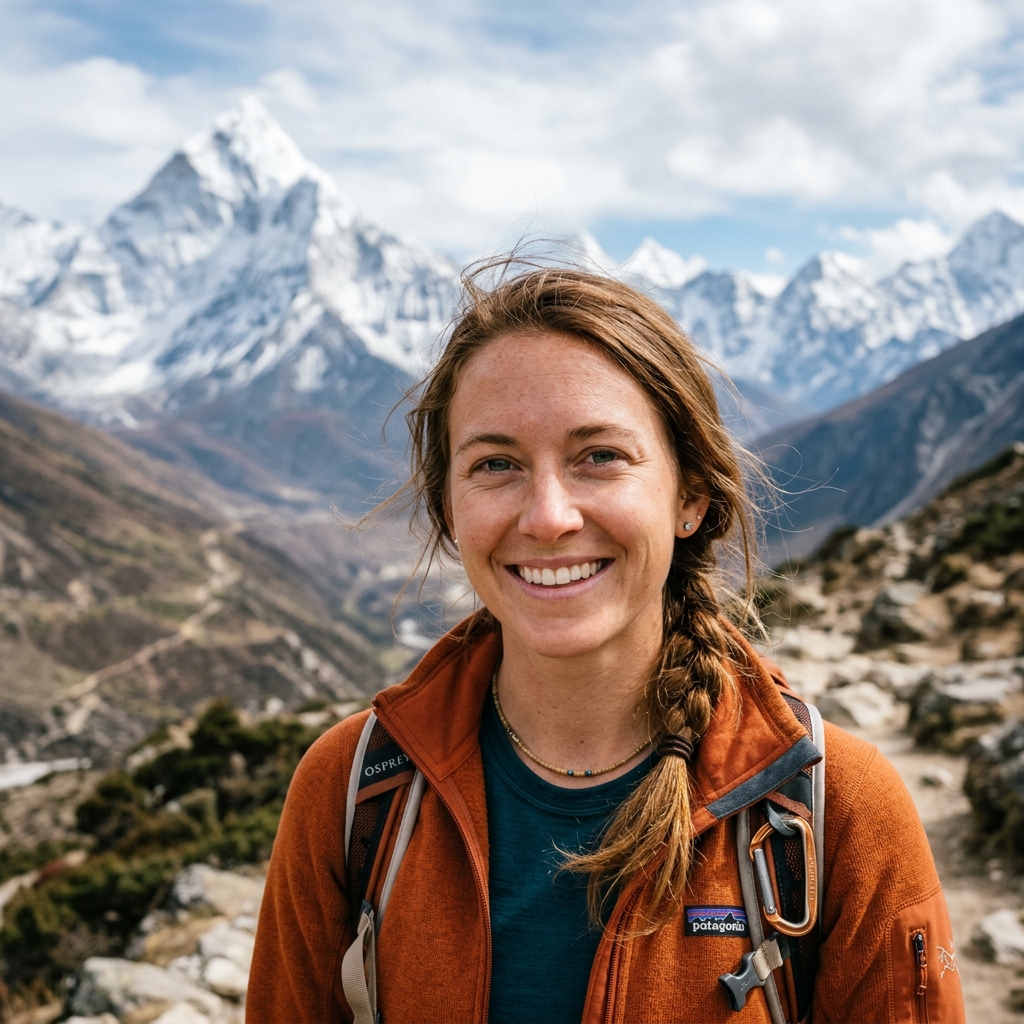
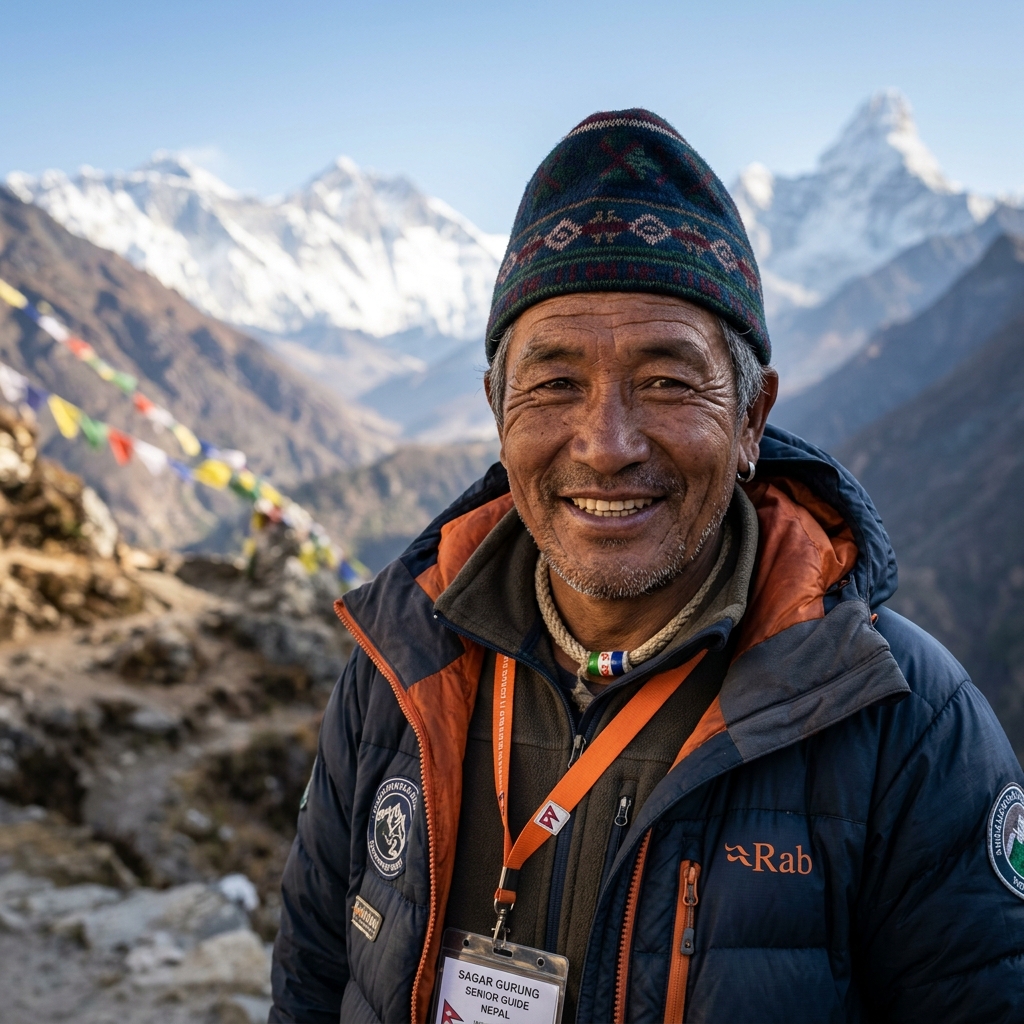 Guided by Sagar Gurung
Pikey Peak Trek FAQs
General & Route
Can I do this trek without previous trekking experience?
Yes, if your fitness suits long walking days and the steep summit approach. Technical climbing skills are not normally required. Prepare with hill walks and practise using your boots, daypack and headlamp before travelling to the starting point.
What is the highest altitude on this itinerary?
The highest planned point is Pikey Peak at approximately 4,065 metres. The highest overnight stop is the lodge area near Pikey Peak Base Camp at around 3,640 metres. Summit day continues downhill to Jase Bhanjyang afterwards.
Can I see Mount Everest from Pikey Peak?
Yes, clear weather can reveal Everest alongside a Himalayan panorama, including Makalu and Kanchenjunga. Cloud can hide the mountains, so views are not guaranteed. We plan an early start for sunrise, with timing adjusted to conditions.
Does this trek include acclimatisation days?
There is no separate acclimatisation day before Pikey Peak. Day 7 explores Thupten Chholing after the summit. The guide monitors your progress and may adjust the programme if altitude symptoms, weather or conditions affect walking.
Do we use tents during the trek?
The planned night is in a lodge near base camp, followed by a pre-dawn hike to the viewpoint. Tented accommodation is not part of the supplied programme. Confirm lodge availability and room sharing before departure, particularly for winter travel.
Does this trekking itinerary require any domestic flight connections?
No domestic flights are planned. Day 2 drives from Kathmandu to Dhap, and Day 9 returns by road from Phaplu. The journeys can be delayed by traffic or road conditions, so allow flexibility around your international departure and onward arrangements.
Is insurance covering trekking to 4,000 metres sufficient?
A 4,000-metre limit falls below Pikey Peak’s published elevation of approximately 4,065 metres. Ask your insurer to confirm cover for the full route, medical treatment and emergency helicopter evacuation, including exclusions, excess charges and the process for assistance.
Does being fit protect me from altitude sickness?
No. Fitness helps with the walking effort but does not prevent altitude illness. You sleep above 3,000 metres near base camp and walk higher at the summit. Report symptoms immediately and follow the guide’s assessment before continuing upward.
What should I do if I feel unwell at altitude?
Tell your guide immediately about headache, nausea, dizziness or fatigue. Do not ascend to a higher sleeping altitude while symptoms persist. If symptoms worsen at the same elevation, descent is necessary. Never continue to reach the viewpoint.
Do I need to carry my main trekking bag?
Porters carry your trekking luggage within the agreed allowance. You carry water, warm layers, medicines and daily essentials in a daypack. Confirm porter allocation and baggage limits, keeping your passport, money and valuables with you.
Do I need to bring a sleeping bag and down jacket?
Bring your own sleeping bag and down jacket unless specific loan equipment is confirmed in your quotation. Check suitable warmth for the base camp night and sunrise hike. Discuss any rental needs with us before leaving Kathmandu.
Can I book as a solo traveller?
The starting price for one person is USD 1,115. Send your preferred dates so we can check availability and confirm guide, porter and transport arrangements. Your quotation depends on the services agreed for your trek.
EXPLORE
MORE ADVENTURES
You Might Also Like
If you prefer another mountain viewpoint, a different monastery walk or an Annapurna village route, consider these related Igloo packages.