1. The Himalayan Crown: Nepal's Major Trekking Regions & Topography
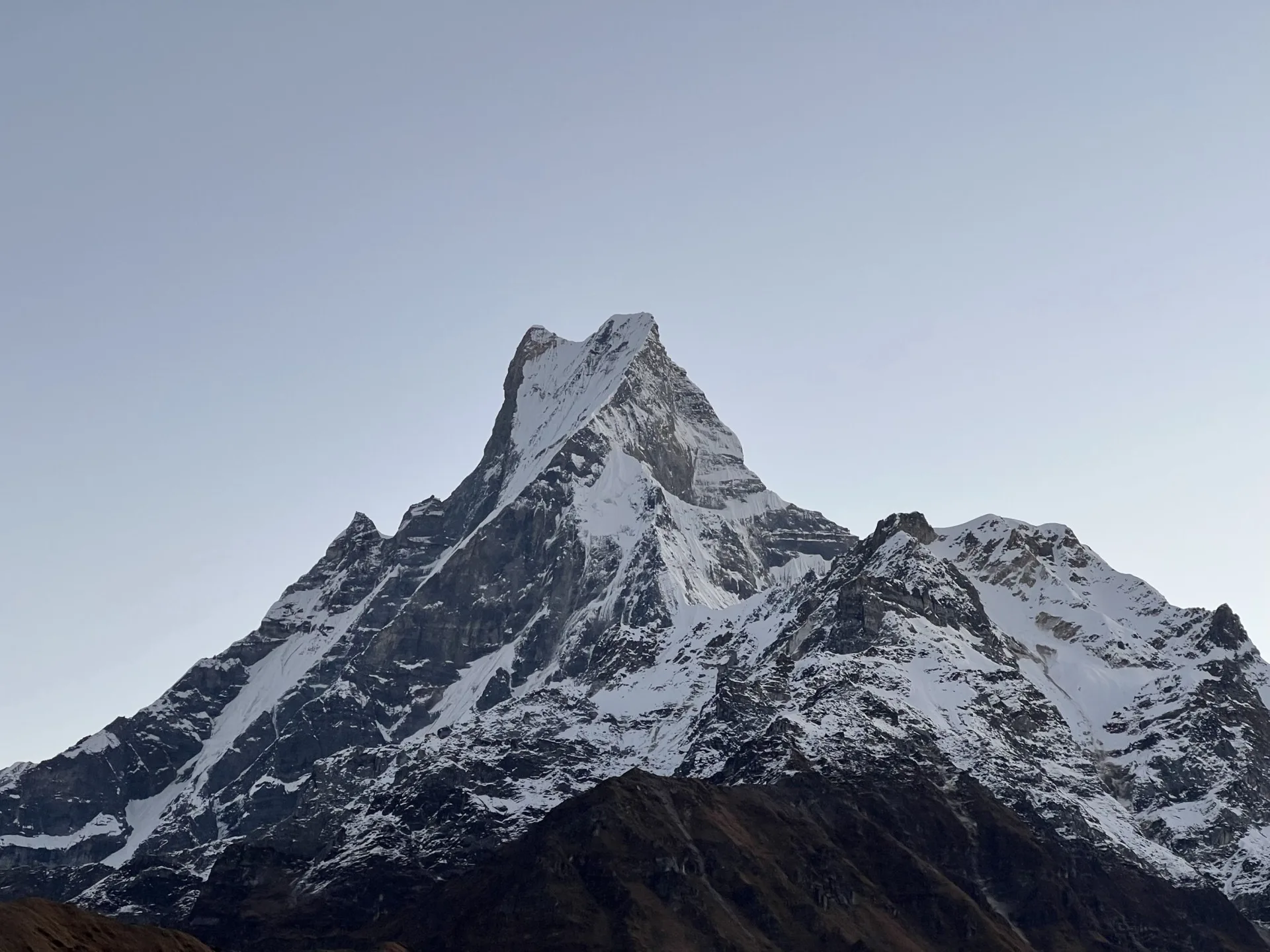
Nepal is geographically unique on Earth. Across a horizontal span of just 150 to 250 kilometers, the terrain vaults from the tropical lowlands of the Terai (just 60 meters above sea level) to the highest point on the planet—the summit of Mount Everest (Sagarmatha) at 8,848.86 meters (29,031.7 feet). This dramatic topographical compression creates an astonishing mosaic of microclimates, ecosystems, and human cultures.
Himalayan trekking in Nepal is divided into distinct geographic regions, each with its own character:
Classic High-Alpine Hubs
- Everest (Khumbu) Region: Home to Everest, Lhotse, Ama Dablam, and the legendary Sherpa heartland. Dominated by glaciated valleys, ancient gompas, and the highest teahouse network on Earth.
- Annapurna Region: The most ecologically diverse sector, transitioning from terraced paddy fields and lush rhododendron forests to the arid Tibetan rain-shadow plateau of Mustang and Manang.
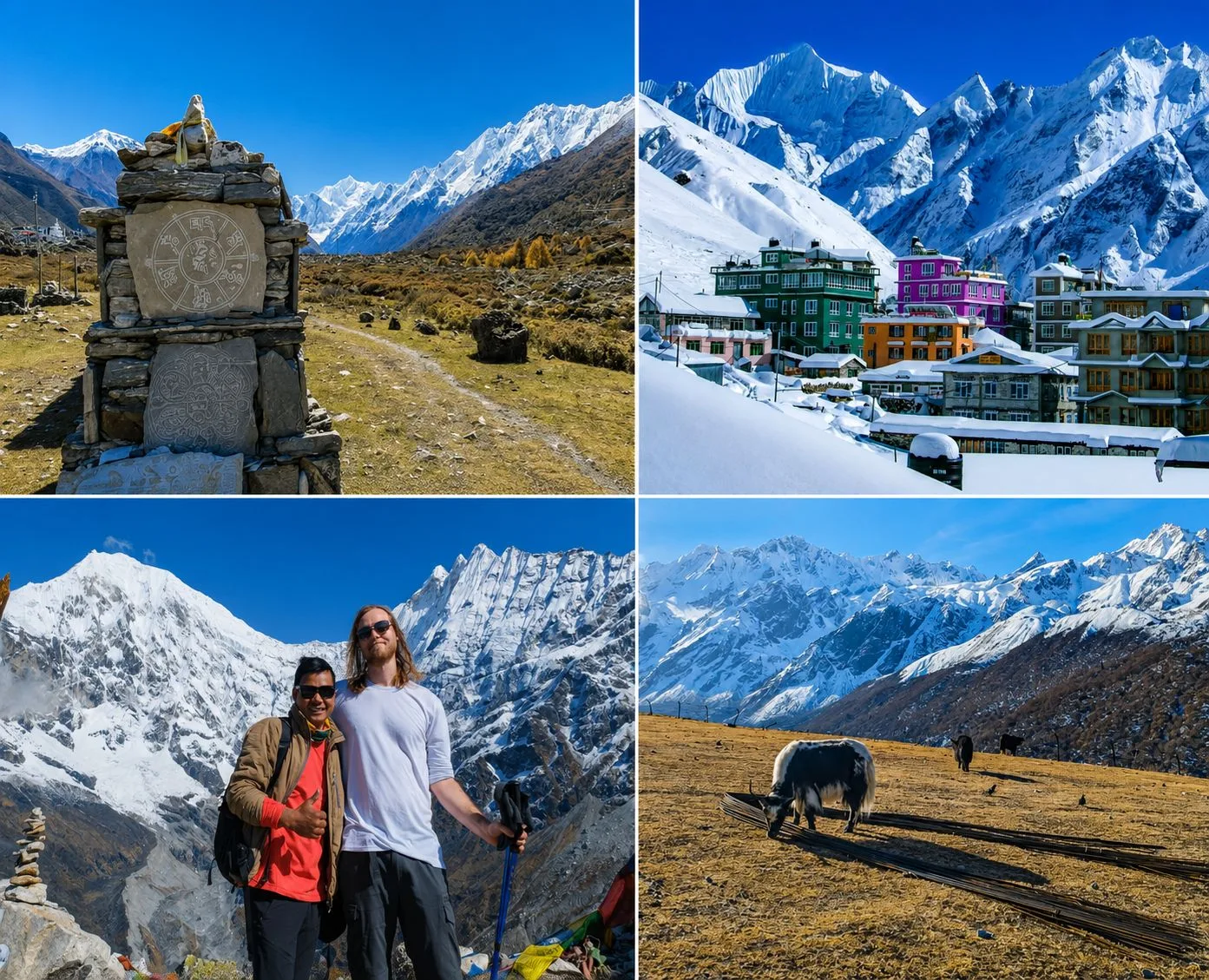
- Langtang Valley: Located directly north of Kathmandu, known for rich Tamang culture, pristine rhododendron forests, cheese factories, and accessible 4,700m+ summit viewpoints like Kyanjin Ri.
Remote & Restricted Frontiers
- Manaslu Circuit: The premier untouched circuit around the world's 8th-highest peak (8,163m), offering authentic Tibetan-influenced culture and dramatic crossing of Larkya La (5,160m).
- Upper Mustang & Upper Dolpo: Walled medieval kingdoms, wind-carved desert canyons, ancient Bon Buddhist monasteries, and crystal turquoise lakes sheltered from the summer monsoon.
- Kanchenjunga & Makalu: The wild eastern frontier, featuring multi-week wilderness treks to the base of Earth's 3rd and 5th highest mountains.
2. Nepal Trekking Regulations: Mandatory Guide Rules & The TIMS/Permit Framework
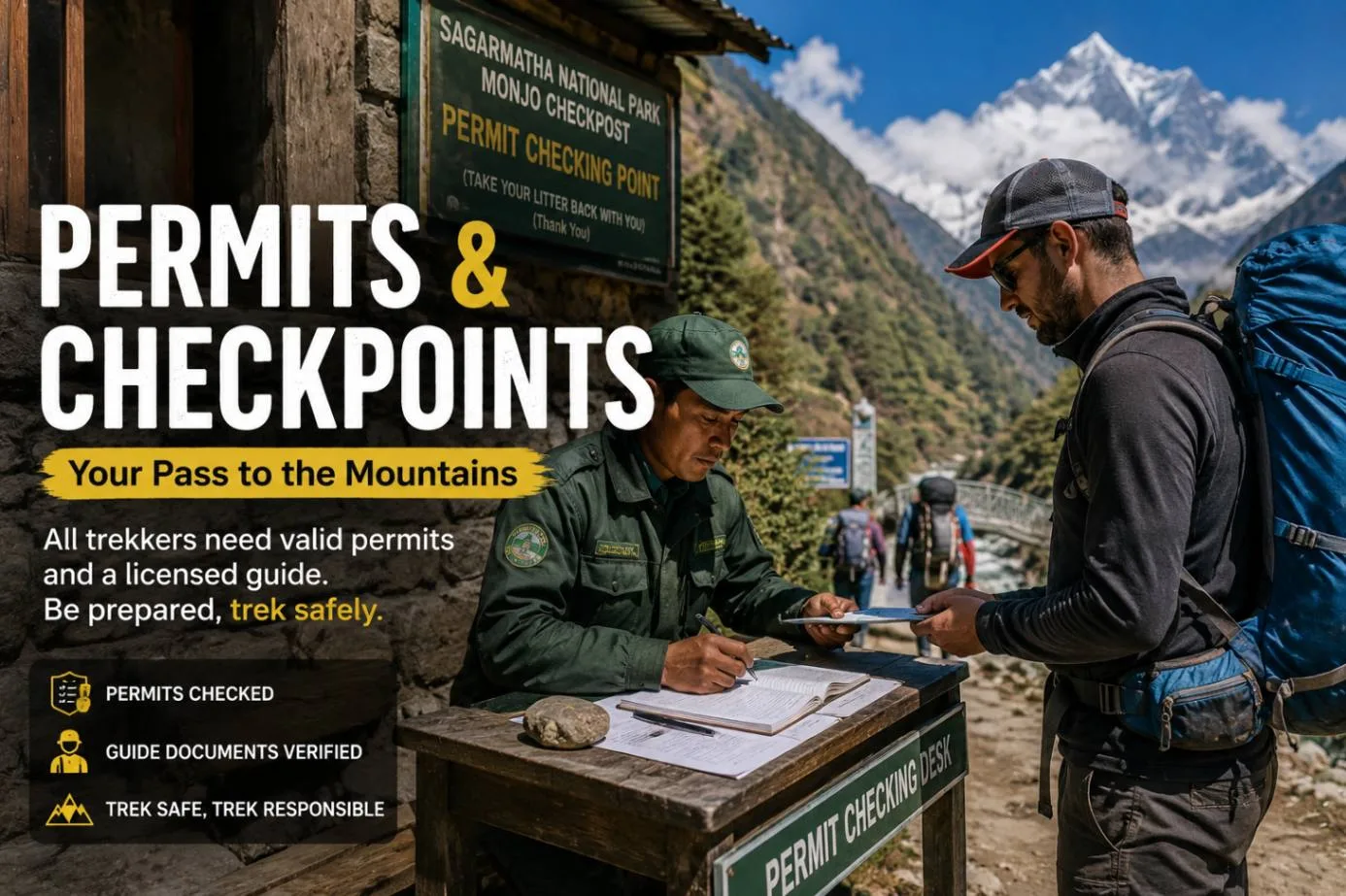
Trekking in Nepal is carefully regulated to preserve fragile alpine environments, ensure hiker safety, and generate sustainable local employment. Understanding the regulatory landscape is essential before you lace up your boots:
The Mandatory Guide Rule
In March 2023, the Nepal Tourism Board (NTB) implemented a mandatory regulation requiring all international trekkers to hire a government-licensed guide when trekking through designated national parks and conservation areas. The policy was established to reduce search-and-rescue operations for lost or injured solo hikers and to combat illegal guiding operations.
"While the Annapurna, Langtang, and Manaslu regions strictly enforce the NTB guide rule via TIMS card checkposts, the Khumbu Pasang Lhamu Rural Municipality (Everest region) operates under autonomous local governance. In Khumbu, foreign trekkers can purchase local entry cards directly in Lukla, though trekking with a licensed Sherpa guide remains overwhelmingly recommended for high-altitude medical safety." — Ang Tshering Sherpa
Core Trekking Permits Breakdown
Every trekker must carry valid permits matching their route. These fall into three primary categories:
- National Park & Conservation Area Permits: Required for protected areas like Sagarmatha National Park (NPR 3,000 + 13% VAT), Annapurna Conservation Area Project / ACAP (NPR 3,000), Langtang National Park (NPR 3,000), and Manaslu Conservation Area / MCAP (NPR 3,000).
- Trekkers' Information Management System (TIMS) Card: Issued through certified agencies to register your itinerary in Nepal's central safety database (NPR 2,000).
- Restricted Area Permits (RAP): Issued exclusively through registered trekking agencies for sensitive border zones (Upper Mustang $500/10 days, Manaslu $100/week in autumn, Upper Dolpo $500/10 days). Requires a minimum of two foreign trekkers accompanied by a licensed guide.
3. The Teahouse Phenomenon: Mountain Hospitality & Daily Life on Trail
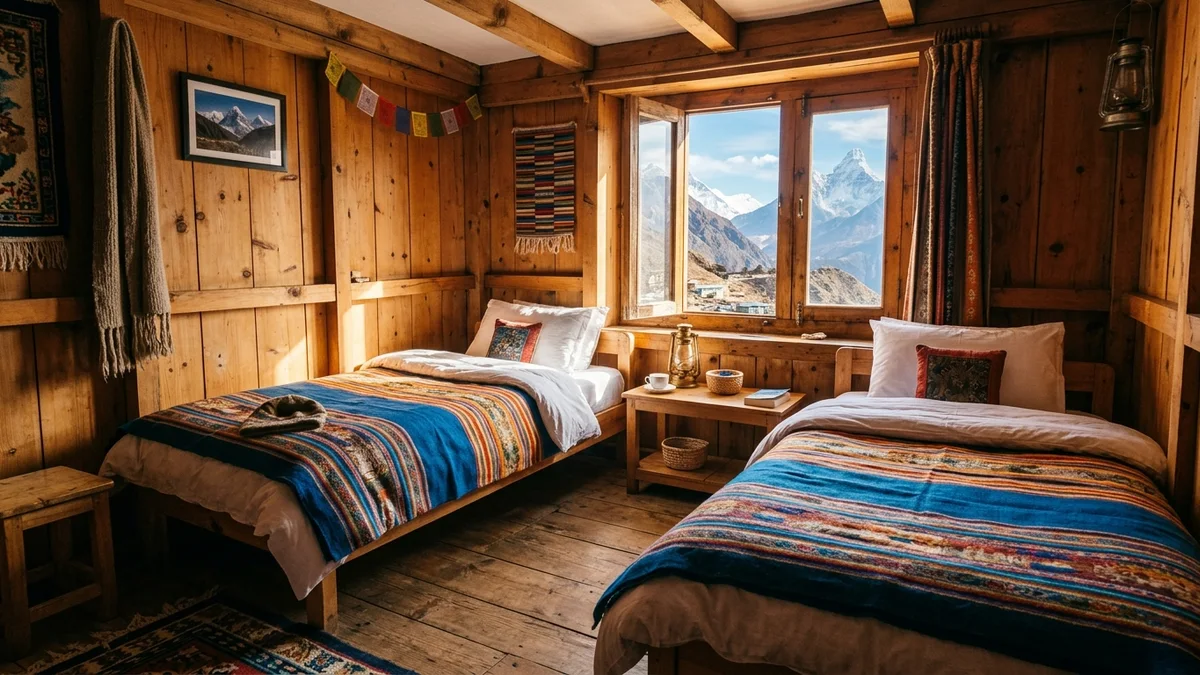
What truly sets trekking in Nepal apart from wilderness backpacking in North America, Europe, or New Zealand is the teahouse trekking system. You do not need to haul heavy expedition tents, portable stoves, or freeze-dried rations. Instead, hundreds of trails are punctuated every few hours by welcoming family-run stone lodges known as teahouses (historically called bhattis).
A typical day in a Nepali teahouse follows a time-honored rhythm:
- Morning Wake-Up: Waking to crisp mountain air, sunrise over glaciated ridges, and a steaming cup of milk tea or ginger lemon honey tea brought to your dining table.
- Hearty Breakfast: Fueling up on porridge, Tibetan bread with honey, sunny-side-up eggs, or buckwheat pancakes before hitting the trail around 7:30 to 8:00 AM.
- Midday Lunch Stop: Pausing at a scenic hillside village lodge halfway through the day's hike for a leisurely, freshly prepared lunch.
- Evening Fellowship: Gathering in the central dining hall around the roaring cast-iron stove (bukhari)—fueled by wood or dried yak dung—sharing stories, playing cards, drying socks, and reviewing next day's elevation profile with your guide.
4. Modern Teahouse Realities: Wi-Fi, Solar Charging, Hot Showers & Toilets
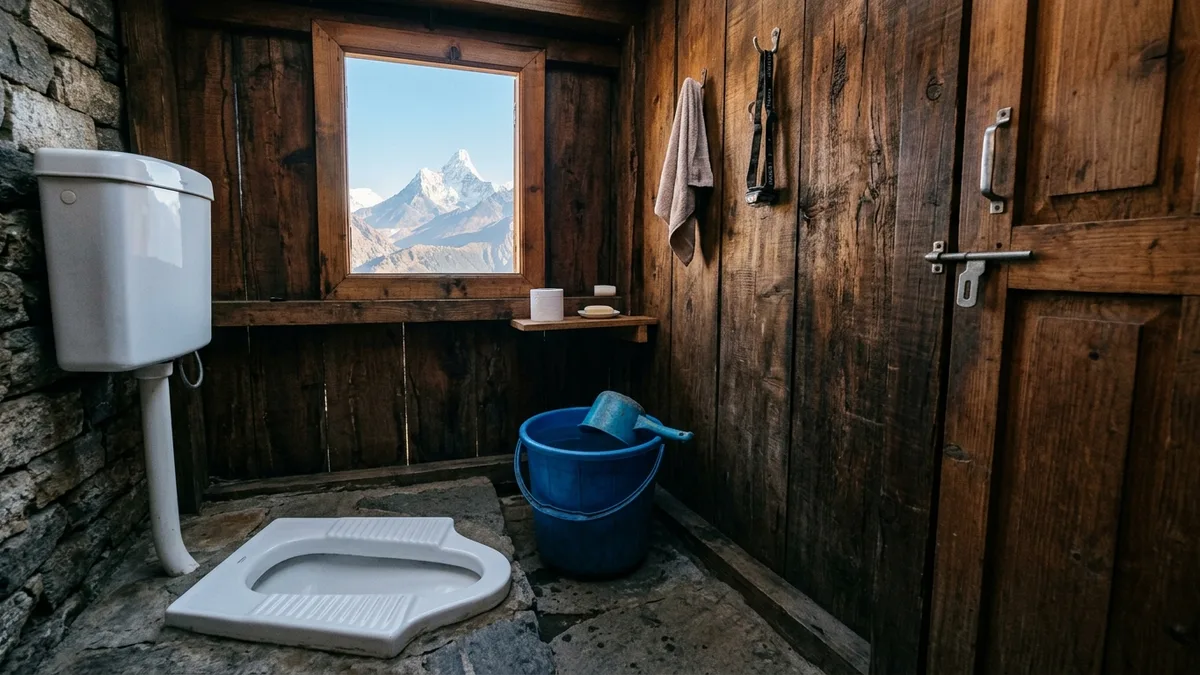
While teahouses provide incredible comfort given their remote Himalayan locations, setting realistic expectations regarding amenities prevents surprises on the trail:
| Amenity | Availability & Realities | Typical Cost | Pro-Tip for Trekkers |
|---|---|---|---|
| Toilets | Western sit-down toilets common up to 3,500m; traditional porcelain squat toilets dominate higher up. Shared hallway bathrooms. | Free with room | Never flush toilet paper down mountain pipes; use the provided disposal bin. Carry your own biodegradable TP. |
| Hot Showers | Solar-heated or gas-geyser showers available in most villages. Water pressure and heat drop at higher elevations. | $3 – $7 USD per shower | Avoid showering above 4,000m to prevent sudden chilling and bronchial illness before acclimatizing. Use wet wipes instead. |
| Electricity & Charging | Solar battery setups in dining halls. Outlets rarely exist inside individual bedrooms above 3,000m. | $2 – $5 USD per power bank | Bring a high-capacity (20,000mAh) power bank. Keep batteries inside your sleeping bag at night to prevent cold-drain. |
| Internet & Wi-Fi | Ncell/Namaste 4G in lower valleys. Satellite networks (Everest Link in Khumbu; AirJaldi in Annapurna) in higher villages. | $15 – $20 USD for 10–20GB cards | Speed slows during peak dining hall hours (6:00–8:00 PM). Purchase an eSIM before departing Kathmandu for lower trails. |
5. Fueling Your Journey: 'Dal Bhat Power 24 Hour' & Trail Nutrition
There is an iconic saying among Himalayan guides and porters: "Dal Bhat Power, 24 Hour, No Toilet, No Shower!". This traditional Nepalese platter is the undisputed gold standard of trekking nutrition.
A classic Dal Bhat consists of steamed white or brown rice (Bhat), slow-cooked spiced lentil soup (Dal), seasonal vegetable curry (Tarkari), wilted mountain spinach (Saag), and tangy fermented radish pickle (Achar). Best of all, teahouse hosts operate on an unwritten rule of unlimited complimentary refills: the lodge staff will happily replenish your rice, dal, and curry until you are completely full!
"In sacred Buddhist valleys (Khumbu, Langtang, Tsum), animal slaughter is forbidden. Any meat served above 3,500m has been slaughtered in the lowlands and transported uphill on foot or pack animal over several days without refrigeration. To avoid severe gastrointestinal bacterial infections ('Nepal Belly'), eat strictly vegetarian dishes—Dal Bhat, vegetable noodles, momos, garlic soup, and eggs—once you ascend past the main lower market hubs." — Ang Tshering Sherpa
6. Seasonal Calendar: Autumn vs. Spring vs. Monsoon vs. Winter Trekking
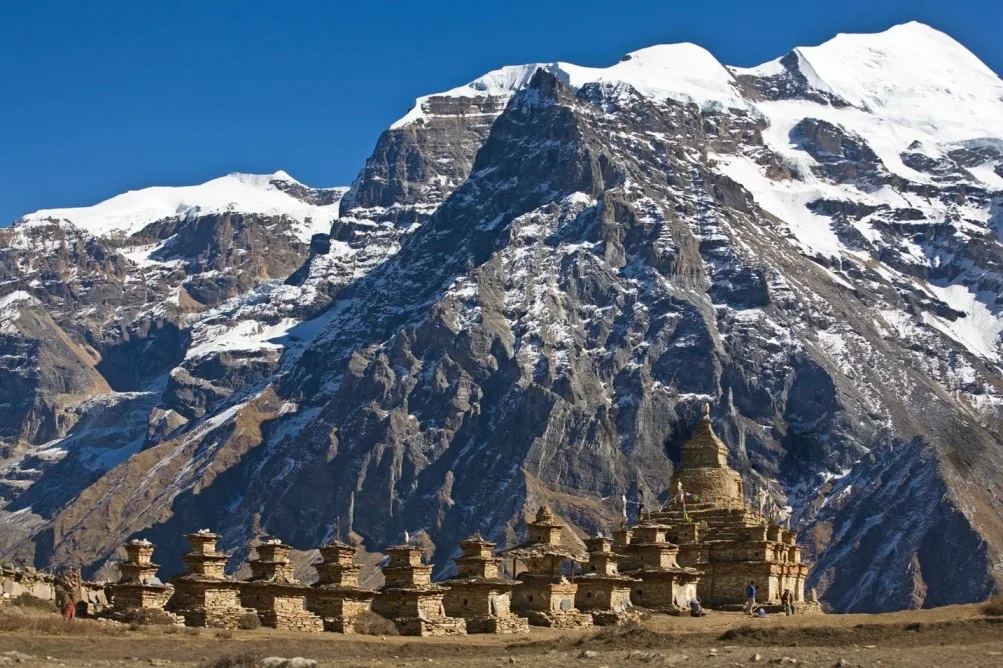
The climate in Nepal is dominated by the South Asian monsoon cycle. Choosing the right season determines your trail visibility, mountain safety, temperature comfort, and overall experience:
| Season | Months | Weather & Temperatures | Mountain Visibility | Crowd Level & Atmosphere |
|---|---|---|---|---|
| Autumn (Peak) | Late Sept – Nov | Warm days (14°C–18°C), crisp freezing nights (-5°C to -15°C at high altitude) | Exceptional crystal-clear skies; best photography of the year | High; teahouses fill up fast; festive Dashain & Tihar cultural energy |
| Spring (Peak) | March – May | Pleasant days (16°C–22°C), mild nights (-2°C to -8°C) | Clear mornings; occasional afternoon haze; blooming rhododendrons | Busy; bustling mountaineering base camps; rich flora and fauna |
| Monsoon (Off-Season) | June – August | Hot & humid (20°C–28°C), daily heavy downpours in lower hills | Cloud-covered summits; lush green valleys and roaring waterfalls | Very low; ideal for rain-shadow treks (Upper Mustang & Upper Dolpo) |
| Winter (Clear & Cold) | Dec – Feb | Sunny cold days (6°C–12°C), severe sub-zero nights (-15°C to -25°C) | Extremely sharp visibility; snow-dusted ridges | Peaceful & quiet; high passes often closed; perfect for lower treks |
7. Altitude Sickness (AMS), HAPE & HACE: Safety Protocols & Acclimatization
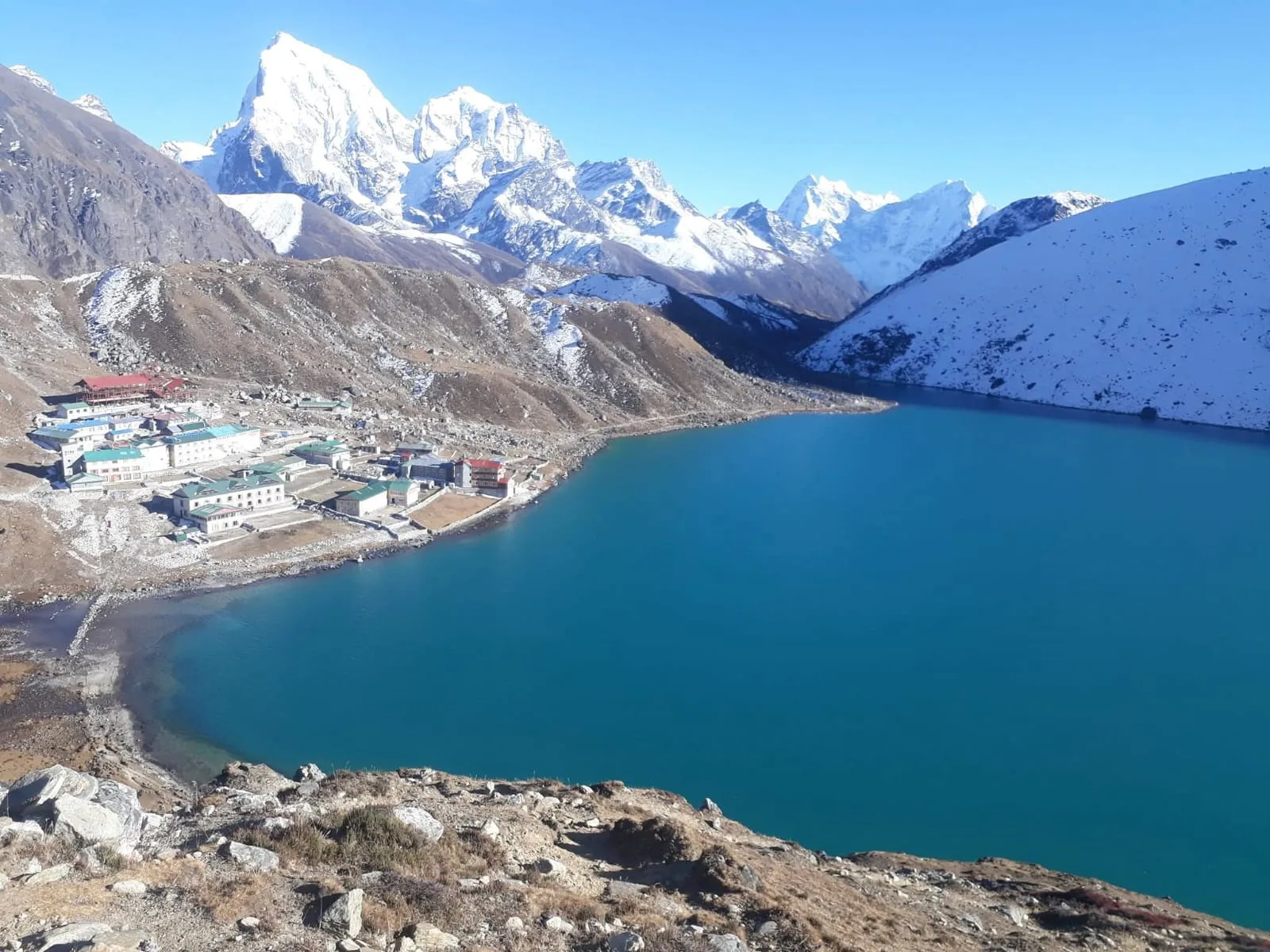
High-altitude illness is the single greatest medical hazard for trekkers in Nepal. Above 2,500 meters (8,200ft), atmospheric pressure drops, meaning each breath delivers significantly fewer oxygen molecules to your bloodstream.
Understanding altitude sickness ensures you can identify early symptoms and take immediate corrective action:
- Acute Mountain Sickness (AMS): The mild to moderate form of altitude sickness. Symptoms include throbbing headache, fatigue, dizziness, loss of appetite, nausea, and insomnia. Treated by stopping ascent and resting.
- High Altitude Pulmonary Edema (HAPE): A life-threatening buildup of fluid in the lungs. Symptoms include persistent dry cough turning wet/pink, extreme breathlessness at rest, blue lips/fingernails, and chest tightness. Requires immediate descent.
- High Altitude Cerebral Edema (HACE): A life-threatening swelling of the brain. Symptoms include severe ataxia (inability to walk a straight heel-to-toe line), confusion, hallucination, and irrational behavior. Requires immediate descent and emergency evacuation.
1. Any sickness above 2,500m is altitude sickness until proven otherwise.
2. Never ascend with symptoms of AMS. Stay at the same altitude until symptoms completely resolve.
3. If symptoms worsen while resting, descend immediately. Descending 500 to 1,000 meters can save a life in hours.
8. Emergency Rescue Logistics & Helicopter Evacuation Insurance Protocols
When medical emergencies occur in remote Himalayan valleys with no motor roads, helicopter evacuation is the primary lifeline. Modern turbine helicopters (such as the Airbus H125 / Eurocopter AS350 B3) operate throughout Nepal, capable of landing on high-altitude ridges up to 5,500 meters in clear weather.
However, helicopter rescues are costly—typically running between $3,500 and $7,000 USD per flight. Therefore, comprehensive travel insurance is strictly non-negotiable:
Mandatory Insurance Policy Checklist
- Altitude Limit: Must explicitly cover non-technical trekking up to at least 6,000 meters (19,685 feet). Standard travel policies often cap coverage at 2,500m or 3,000m.
- Helicopter Search & Rescue: Must include emergency helicopter medical evacuation and field rescue.
- Direct Hospital Billing: Verify whether the insurer provides cashless direct settlement or requires you to pay upfront and file a reimbursement claim.
How Guides Handle Evacuation
- The lead guide performs vital checks (SpO2 oxygen saturation, pulse, respiratory rate, lung sound checks).
- The guide contacts the agency base operations in Kathmandu via satellite phone or cellular link.
- Operations coordinates with the insurance emergency assistance desk to obtain dispatch clearance.
- The patient is flown directly to a premier international clinic in Kathmandu (such as CIWEC Hospital or ERA Hospital).
9. Choosing Your Ideal Route: Comparing Nepal's Top 8 Trekking Circuits
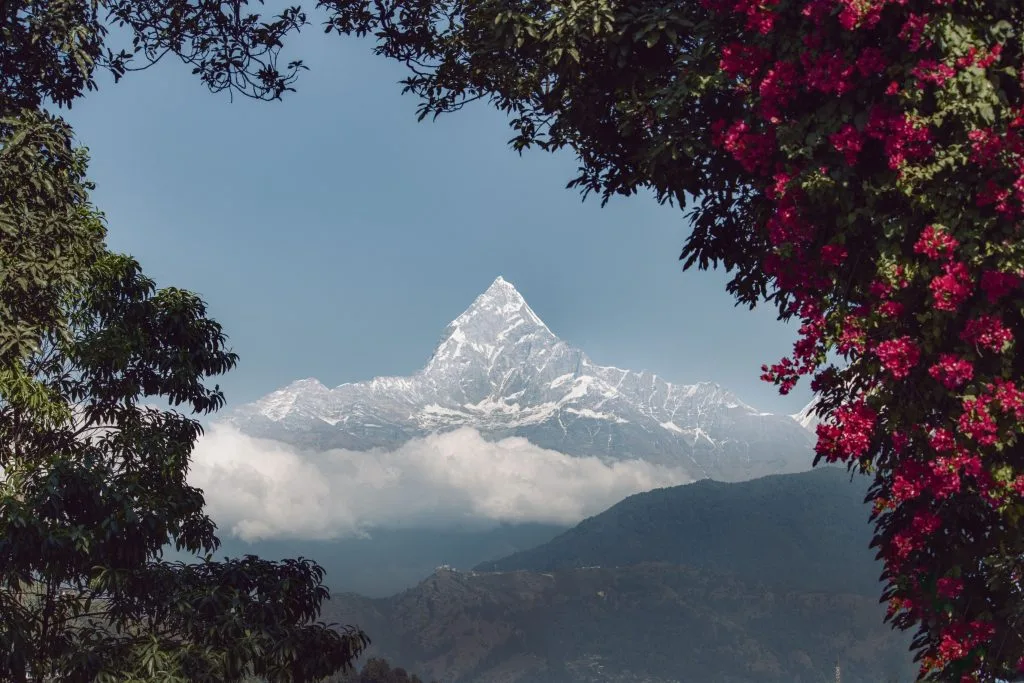
With dozens of world-class routes available, selecting the right trek depends on your available holiday duration, fitness level, budget, and cultural preferences:
| Trek Name | Duration | Max Elevation | Difficulty Level | Trail Highlights & Scenery |
|---|---|---|---|---|
| Everest Base Camp (EBC) | 14 Days | 5,545m (Kala Patthar) | Strenuous | Iconic 8,000m summits, Khumbu Icefall, Tengboche Monastery, Sherpa culture |
| Annapurna Circuit Trek | 12–14 Days | 5,416m (Thorong La) | Strenuous | Dramatic transition from jungle to Tibetan plateau, sacred Muktinath, Kali Gandaki |
| Annapurna Base Camp (ABC) | 9–10 Days | 4,130m (Annapurna BC) | Moderate | 360-degree mountain amphitheater, Machapuchare (Fishtail), Modi Khola canyon |
| Manaslu Circuit Trek | 13–14 Days | 5,160m (Larkya La) | Strenuous | Pristine restricted wilderness, Tibetan Buddhist gompas, Larkya Glacier |
| Langtang Valley Trek | 8 Days | 4,773m (Kyanjin Ri) | Moderate | Close to Kathmandu, Tamang heritage, yak cheese factories, Kyanjin Gompa |
| Upper Mustang Kingdom | 14 Days | 3,840m (Lo Manthang) | Moderate | Walled Tibetan capital, red sandstone cliffs, sky caves, monsoon rain-shadow |
| Mardi Himal Trek | 6 Days | 4,500m (Mardi Viewpoint) | Moderate | Quiet ridge trail through rhododendron forest, intimate views of Fishtail |
| Kanchenjunga Circuit | 22 Days | 5,143m (North Base Camp) | Challenging | Remote eastern wilderness, untamed alpine valleys, Pangpema viewpoint |
10. Responsible Trekking: Porter Rights, Cultural Etiquette & Leave No Trace
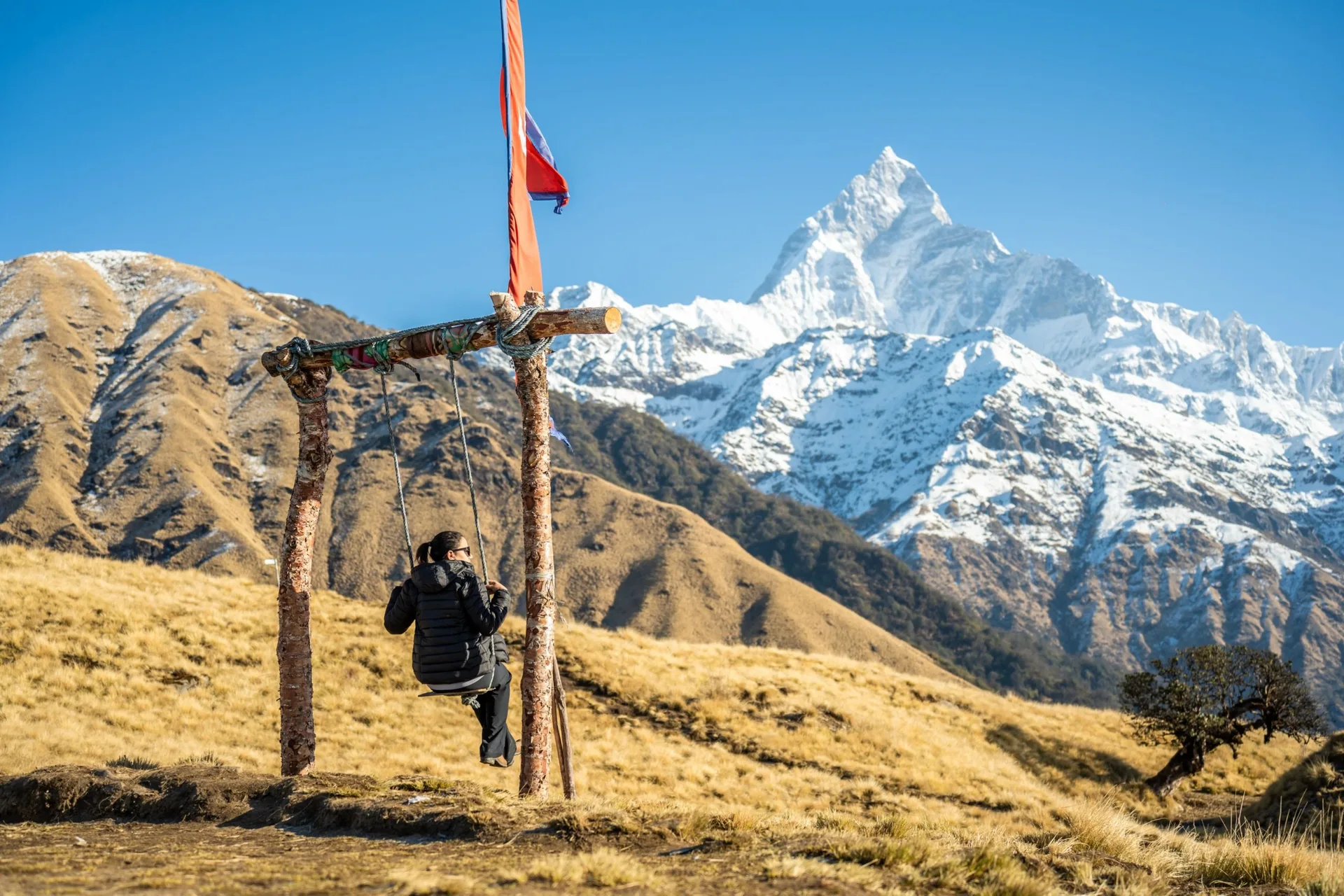
Sustainable and ethical tourism ensures that the fragile communities and mountain environments of Nepal continue to flourish for future generations:
Porter Rights & Welfare (IPPG Guidelines)
Igloo Himalaya Treks strictly adheres to the International Porter Protection Group (IPPG) standards. We ensure:
- Weight Limits: Maximum carry loads are strictly capped at 20 to 25 kg per porter (shared between two trekkers). Never overload your porter's duffle bag.
- Gear & Clothing: Porters are equipped with warm fleece, windproof jackets, mountain boots, gloves, and sunglasses for high-altitude pass crossings.
- Fair Pay & Insurance: All crew members receive fair daily wages, full medical and emergency evacuation insurance, and equal shelter and food provisions.
Cultural Etiquette in Mountain Villages
The mountain communities of Nepal—Sherpa, Tamang, Gurung, Rai, and Magar—possess deeply rooted cultural traditions. Show your respect by observing these core customs:
- Walk Clockwise: Always pass Buddhist chortens, mani walls, and prayer wheels on your left, walking in a clockwise direction.
- Greetings: Greet locals with a warm "Namaste" (palms pressed together near your chest).
- Temple Decorum: Remove shoes before entering monastery prayer halls or local homes. Never point your feet toward altars, monks, or elders.
- Dress Modestly: Keep shoulders and knees covered in traditional villages; avoid revealing clothing.
- Leave No Trace: Carry your own reusable water bottle with purification tablets to eliminate single-use plastic. Pack out all non-biodegradable waste (batteries, blister packets, candy wrappers).
11. Master Packing Checklist: The 4-Layer System & High-Altitude Gear
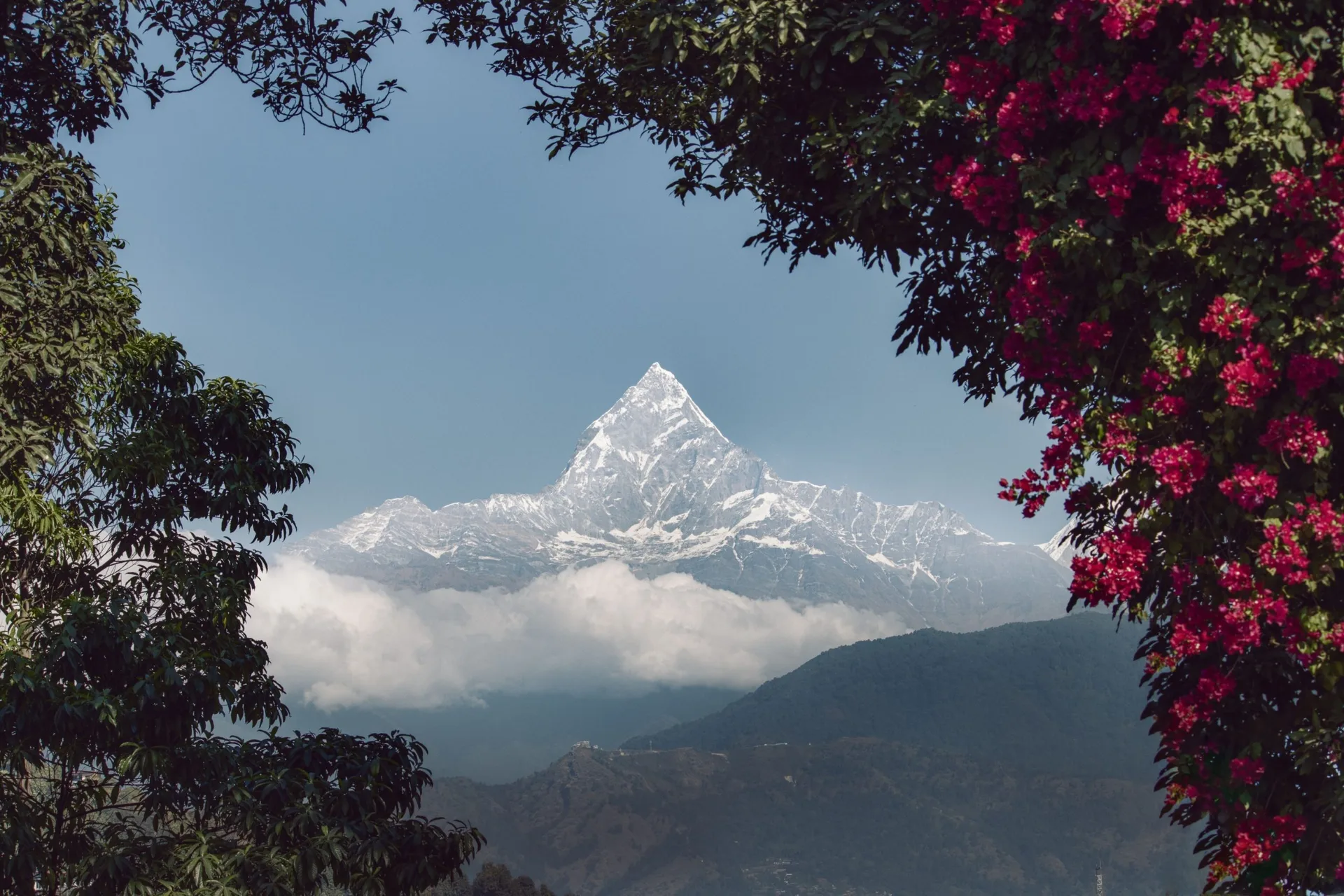
Temperatures on a Nepal trek can swing from +22°C during sunny midday walks in lower valleys to -15°C or colder inside high-altitude teahouse bedrooms. Mastering the 4-layer clothing system ensures warmth, moisture management, and comfort:
- Base Layer (Moisture Management): 2–3 sets of 200–250g merino wool tops and bottoms. Wool wicks sweat away from your body, breathes naturally, and prevents odors over multi-day wear. Avoid cotton completely.
- Mid Layer (Active Breathable Warmth): 100-weight grid fleece jacket or breathable synthetic insulated hoodie for comfortable daytime trekking.
- Insulation Layer (Thermal Barrier): 800+ fill-power down jacket with an insulated hood. Essential for chilly evenings in teahouse dining rooms and pre-dawn summit pushes.
- Outer Shell Layer (Storm Defense): Waterproof, windproof, breathable Gore-Tex (or equivalent 3-layer) hooded jacket and rain pants to seal out biting Himalayan gales and precipitation.
Footwear & Accessories: Medium-stiff trekking boots with ankle support (broken in with at least 50km of hiking before your trip), 4 pairs of merino wool hiking socks, Category 3 or 4 UV-blocking glacier sunglasses, a headlamp with spare lithium batteries, and a four-season down sleeping bag rated to at least -15°C.
12. Comprehensive Budgeting: Permits, Guides, Lodging & On-Trail Spending
Budgeting realistically for your trek avoids unnecessary cash crunches in the mountains. Below is an honest breakdown of anticipated expenses for 2026–2027:
| Expense Category | Estimated Cost (USD) | Frequency | Notes & Inclusions |
|---|---|---|---|
| Licensed Trekking Guide | $30 – $40 / day | Daily | Includes guide salary, food, lodging, and insurance |
| Mountain Porter | $22 – $28 / day | Daily | Carries up to 20kg (split between two trekkers); includes food & lodge |
| Teahouse Lodging | $5 – $12 / night | Per night | Standard twin room; conditional upon eating dinner and breakfast at the lodge |
| Trail Food & Hot Drinks | $25 – $45 / day | Per day | $25/day at lower altitudes rising to $45+/day at 4,500m+ due to porter transport |
| Park Permits & TIMS | $30 – $55 | One-time | National park entry (NPR 3,390) + TIMS card (NPR 2,000) |
| Restricted Area Permits | $100 – $500 | One-time | Manaslu ($100/wk peak), Upper Mustang ($500/10d), Dolpo ($500/10d) |
| Hot Showers & Charging | $5 – $10 / day | As used | Gas showers ($3–$7); solar power bank charges ($2–$5) |
| Guide & Porter Tips | 10% – 15% of total fee | End of trek | Industry standard gesture of gratitude distributed on the final evening |
13. Physical Conditioning: How to Train for Multi-Week Himalayan Treks
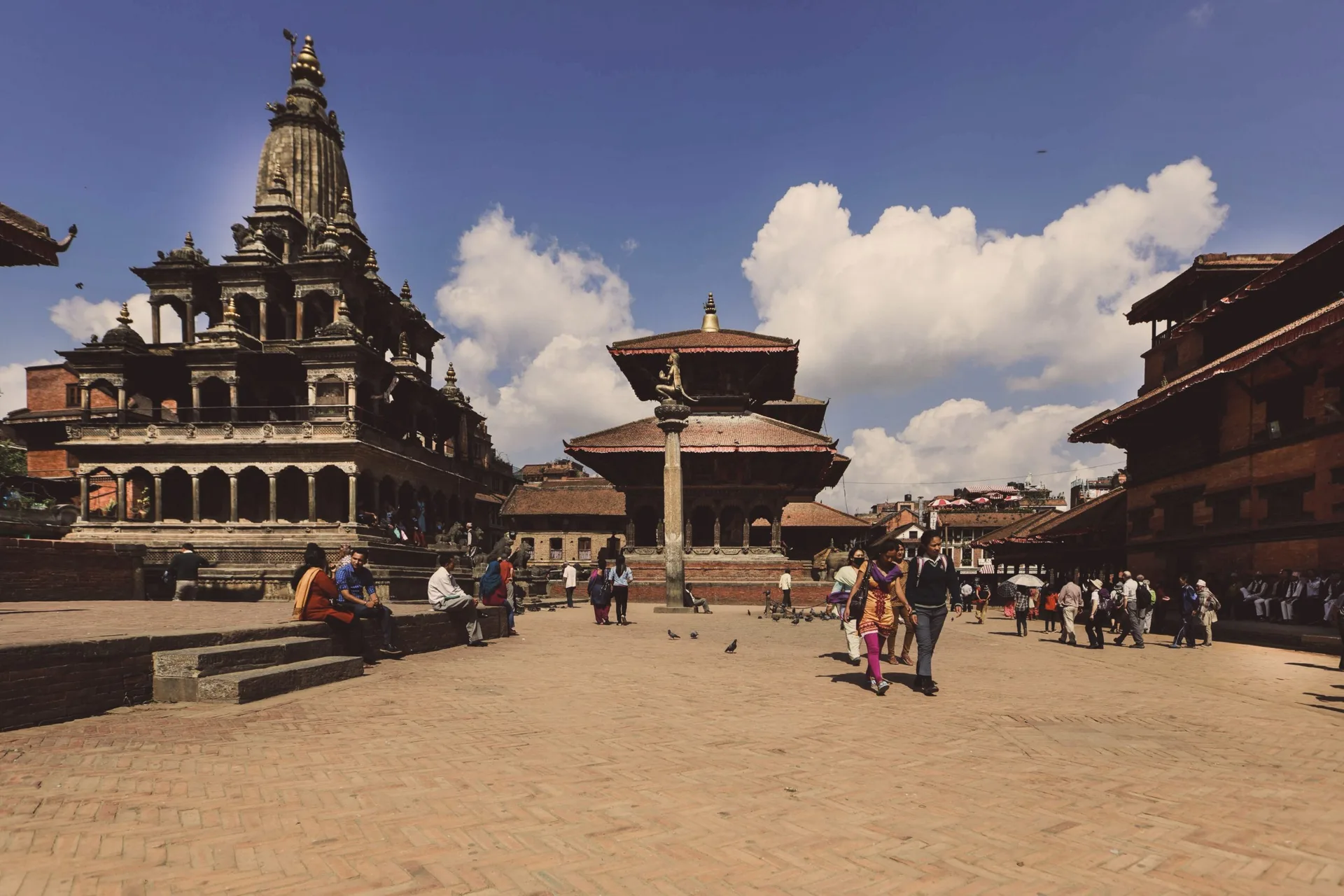
You do not need to be an ultra-marathoner to trek in Nepal, but solid cardiovascular endurance and leg strength transform a grueling suffer-fest into a joyous adventure. Begin training 8 to 12 weeks before your departure date:
- Aerobic Base Building (Zone 2 Cardio): Perform 45 to 60 minutes of low-intensity, steady-state cardio 3–4 times per week (cycling, incline treadmill walking, rowing, or swimming). Building an aerobic foundation enables your mitochondria to efficiently utilize oxygen under thin air.
- Stair-Climbing with Weighted Pack: The single most effective training for Himalayan trails. Find a stadium, tall office building stairwell, or gym StairMaster. Start with a 4kg daypack and gradually build to 8–10kg over 8 weeks, climbing for 45–60 minutes.
- Eccentric Leg Strengthening: Himalayan trails involve hours of descending thousands of uneven stone steps, which places massive eccentric loads on your quadriceps and patellar tendons. Perform weighted goblet squats, reverse lunges, Romanian deadlifts, and step-downs.
- Core & Back Conditioning: Planks, bird-dogs, and farmers walks build the postural endurance required to comfortably carry your daypack (water, camera, warm layers, first aid) for 6–8 hours daily.
14. Getting to the Trailhead: Domestic Flights, Jeeps & Ramechhap Transit
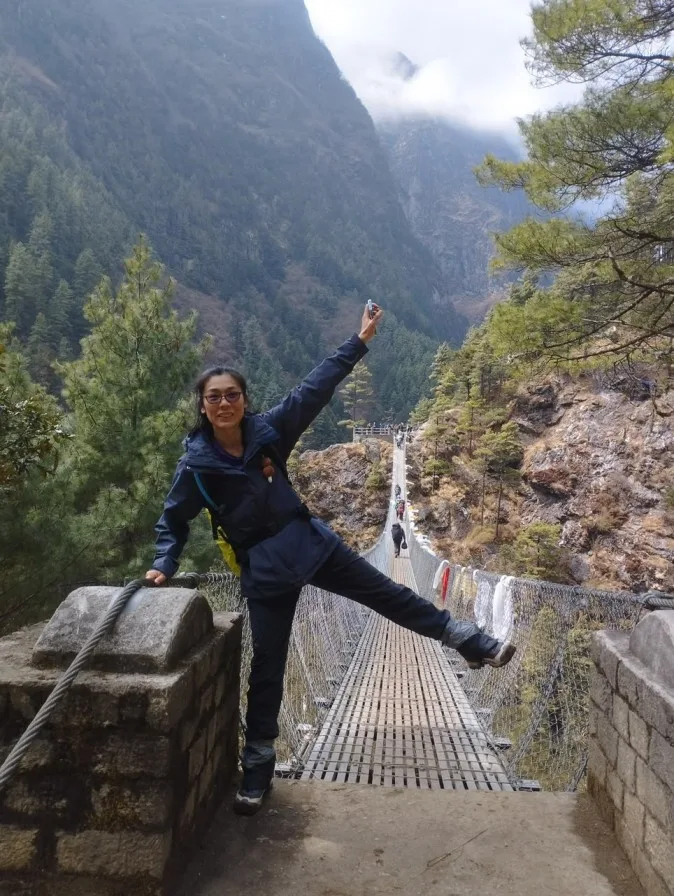
Reaching the trailhead is half the adventure in Nepal. Depending on your chosen region, transit involves scenic mountain flights or rugged overland journeys:
Domestic Mountain Flights
- Lukla (Everest): Short 25-minute flight from Kathmandu or 12-minute flight from Ramechhap Airport (Manthali). Early morning flights operate to avoid afternoon mountain clouds.
- Pokhara (Annapurna): Smooth 25-minute commercial flight connecting Kathmandu to Pokhara.
- Jomsom (Mustang): Dramatic 20-minute flight through the Kali Gandaki canyon between Annapurna and Dhaulagiri.
- Buffer Days: Always build 1–2 contingency buffer days at the end of your trip to accommodate weather-related flight delays.
Overland 4WD Roads
- Annapurna Circuit: Tourist bus or private jeep from Kathmandu to Besisahar (5–6 hrs), followed by 4WD jeep up to Dharapani or Chame.
- Manaslu Circuit: Rugged 4WD overland journey from Kathmandu to Machha Khola (7–8 hrs) along winding mountain dirt tracks.
- Langtang Valley: Scenic public bus or private jeep from Kathmandu to Syabrubesi (6–7 hrs) passing terraced hills and river gorges.
Frequently Asked Questions (FAQ) About Trekking in Nepal
Select a category below to explore expert answers to the most common questions travelers ask about Trekking in Nepal:
Difficulty & Fitness
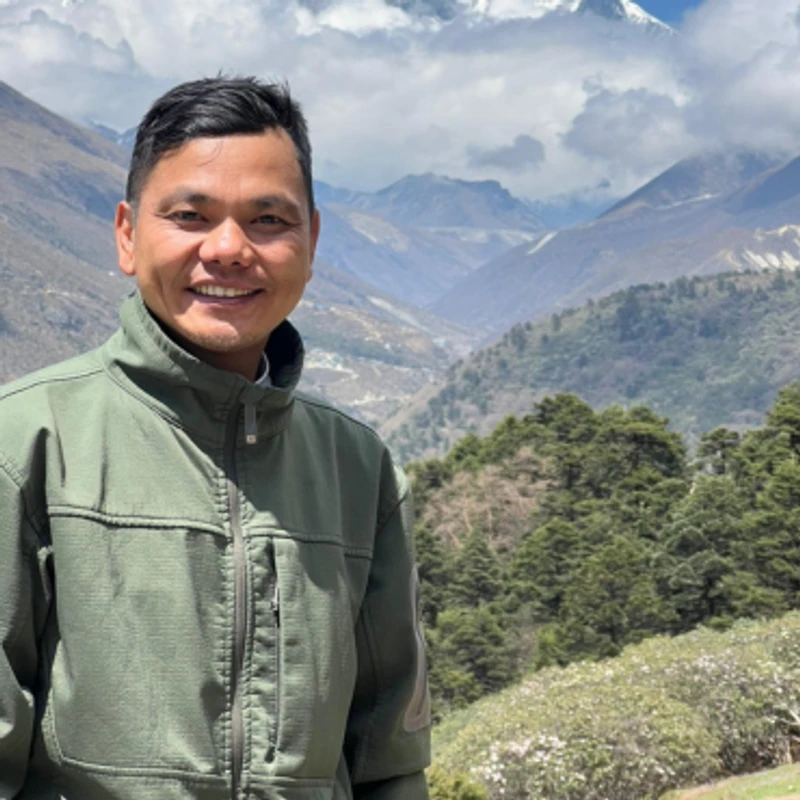
Ready to Experience the Himalayas?
Whether you are preparing for high-altitude trekking, cultural circuits, or alpine summit expeditions, start planning a bespoke journey tailored to your fitness, travel season, and style.