Igloo Himalaya Treks
Mustang Region • Lo Manthang Walled Kingdom & Tiji Festival
5.0 reviews on TripAdvisor
5.0 169 reviews on Google

Upper Mustang Tiji Festival Trek — 16 Days

Experience three days of Tiji Festival in Lo Manthang on this sixteen-day Mustang journey. Walk through Lupra, Sangmochen and Dhakmar, visit Ghar Gompa, then watch masked dances and monastery rituals in the walled town.

Key Trip Facts — Quick Reference

Authentic Client Specification
DURATION 16 Days 16 days, including three Tiji Festival days in Lo Manthang
DIFFICULTY Moderate to Challenging Moderate to challenging; high passes, exposed trails and a long eastern return
MAXIMUM ALTITUDE Approximately 4,280 m / 14,042 ft Approximately 4,280 m on the western pass route; final trail to be confirmed
DESTINATION Nepal Nepal
ACTIVITY Trekking Trekking
ACCOMMODATION Hotels & Lodges 3 Kathmandu hotel nights, 2 Pokhara hotel nights and 10 Mustang lodge or homestay nights
TRANSPORT Transfers, Flight & Bus Chosen Kathmandu–Pokhara transfer, Pokhara–Jomsom flight, Mustang road legs and tourist bus return
MEALS Full-Board on Trek City breakfasts; full-board Mustang meals with tea or coffee and seasonal fruit; farewell dinner
RECOMMENDED SEASON May / Early June Confirmed annual Tiji dates, usually in May or early June
TREK STARTS Jomsom Jomsom
TREK ENDS Chhusang or Tetang Chhusang or Tetang; onward travel via Kagbeni to Pokhara
TREK REGION Upper Mustang Upper Mustang
PACKAGE START POINT Kathmandu Kathmandu
PACKAGE END POINT Kathmandu Kathmandu

Upper Mustang Tiji Trek Overview

Our sixteen-day Upper Mustang Tiji Festival Trek combines three festival days in Lo Manthang with village trails, monasteries and cave visits. Approach through Lupra, Sangmochen and Dhakmar, then continue via Ghar Gompa to the walled town. After Tiji, follow the eastern route through Yara and Tange before returning via Kagbeni to Pokhara and then Kathmandu.

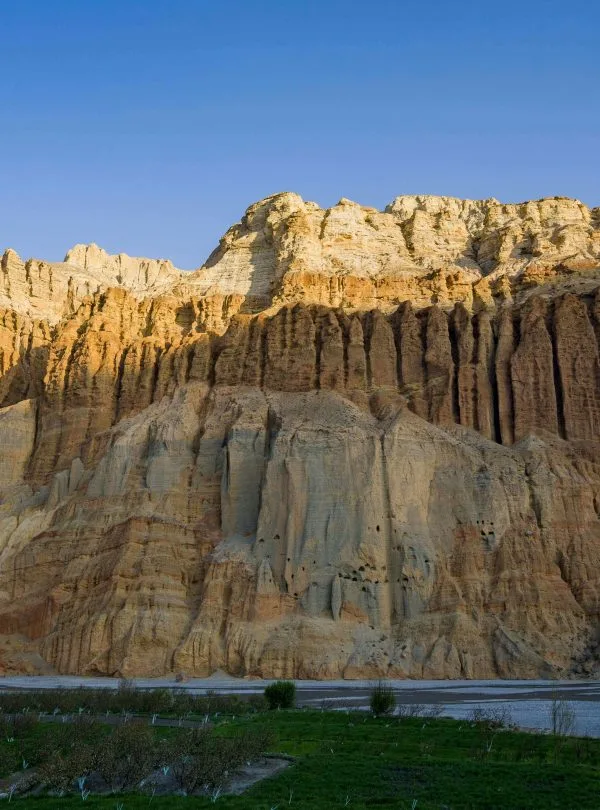
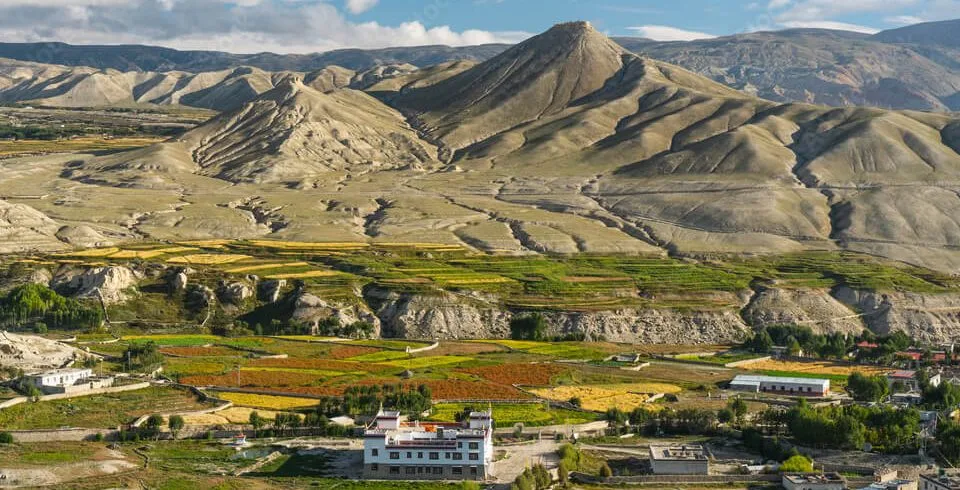
The programme begins with Kathmandu sightseeing and travel to Pokhara. A morning flight takes you to Jomsom before the walk to Lupra, a village associated with Bon religious traditions. Beyond Kagbeni, the journey combines a drive to Samar with walking through Chungshi Rangjung Cave, Sangmochen and Dhakmar. Red cliffs, cultivated fields and mani walls accompany the approach towards Ghar Gompa and the higher trails leading to Lo Manthang.

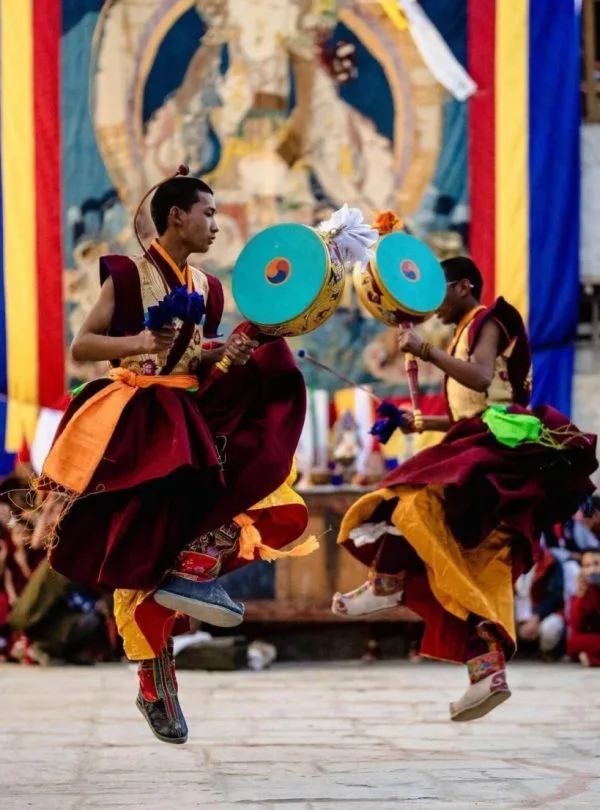
Tiji brings the Lo community together for Buddhist rituals, masked dances and ceremonial music. Monks perform the dances in Lo Manthang, with activities following the local religious programme. Three nights here allow town exploration and a Chosar excursion around the ceremonies. Exact festival dates change with the lunar calendar and must be confirmed before departure.

After the festival, cross towards Dhi and Yara for a return excursion to Luri Cave Monastery. Continue to Tange, then make the long walk towards Chhusang or Tetang before driving to Kagbeni. The eastern stages include steep climbs, open ridges and limited refreshment stops. Carry sufficient water and a packed lunch where needed, and prepare for sustained walking at altitude.

You stay in Mustang lodges or homestays and hotels in Kathmandu and Pokhara. The sixteen-day programme covers arrival, sightseeing, trekking, festival visits, return travel and departure from Nepal.

Upper Mustang Tiji Trek Highlights

Attend three Tiji Festival days in Lo Manthang, watching masked dances and Buddhist rituals performed by monks according to the local programme.
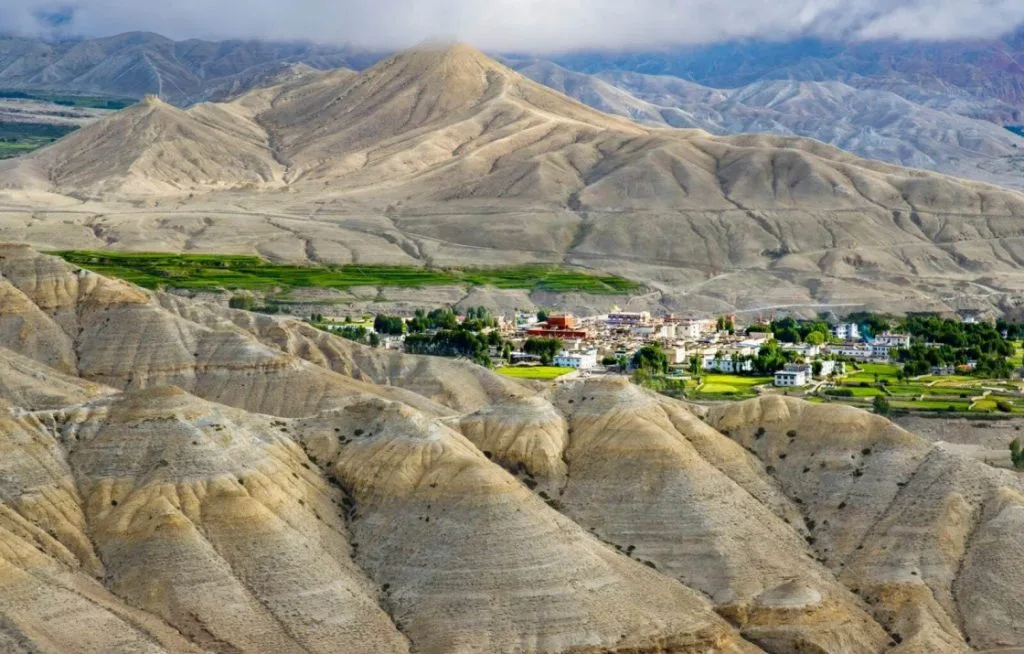
Explore Lo Manthang’s lanes and monasteries, with time for the town’s Buddhist heritage between festival activities.
Visit Chosar’s caves and monasteries on an excursion arranged around final Tiji ceremonies back in Lo Manthang.
Walk via Chungshi Rangjung Cave and Ghar Gompa, visiting religious sites along the route.
Follow the eastern Mustang trails through Yara and Tange, with an excursion to Luri Cave Monastery.
Explore Kathmandu’s UNESCO heritage sites before travelling through Pokhara towards the Mustang trekking route and the festival in Lo Manthang.
LOCAL HIMALAYAN OPERATOR

Why Book the Upper Mustang Tiji Trek with Igloo Himalaya Treks?

We help you prepare in Kathmandu and support the trekking journey and festival arrangements. This package includes the following services.

Trek Briefing and Gear Check

Before leaving Kathmandu, we explain the programme, check your essential equipment and help with last-minute preparations. You can ask questions about the walking days, accommodation and what to carry.

Guide and Porter Support

A certified, English-speaking trek leader accompanies the walking route, with one porter shared between two trekkers. The team explains local visiting customs, supports the programme and carries your main trekking luggage.

Equipment Provided for the Trek

We provide a sleeping bag, down jacket and duffel bag for use during the programme. All three items are loans and must be returned after the trek, including the duffel bag.

Communication When Plans Change

Jomsom flights, road conditions and religious schedules can affect arrangements. Our team explains changes and available options, prioritising festival attendance while discussing any extra accommodation or transport costs outside the agreed programme.

Upper Mustang Tiji Trek Itinerary — Day by Day

Our sixteen-day itinerary combines Mustang trekking with three Tiji Festival days in Lo Manthang. Walking times are approximate; flight operations, road access, religious schedules, weather and the group’s progress can affect each day’s arrangements.

Day 1: Arrival in Kathmandu

Arrival — Kathmandu (1,400 m / 4,593 ft) — Airport Transfer & Welcome Briefing

Overnight altitude Approximately 1,400 m
Accommodation 3-star hotel in Kathmandu; room sharing as quoted
Meals Arrival-day meals at your own expense

Welcome to Nepal. Our representative meets you at Tribhuvan International Airport and transfers you to your hotel. After settling in, we discuss the Mustang programme, review equipment and explain the permit documents and festival arrangements before departure.

Depending on your arrival time, explore nearby streets or rest after your flight. Keep passport, visa and insurance details ready for permit processing, with further preparation arranged around tomorrow's Kathmandu sightseeing programme.
Day 2: UNESCO Heritage Sightseeing Tour in Kathmandu

Sightseeing — Kathmandu (1,400 m / 4,593 ft) — 5–6 Hours Heritage Tour & Trek Preparation

Main activity Guided Kathmandu heritage sightseeing and final trek preparation
Sightseeing time Approximately 5–6 hours; traffic and the selected sites affect timing
Overnight altitude Approximately 1,400 m
Accommodation Same 3-star hotel in Kathmandu
Meals Breakfast; lunch and dinner at your own expense

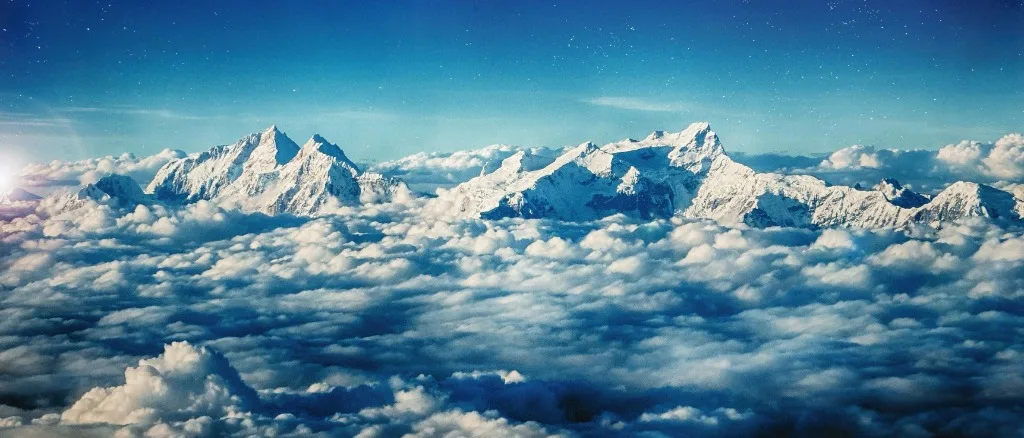
We explore selected Kathmandu Valley heritage sites, introducing the city's temples, stupas and historic squares that form part of the UNESCO listing. The programme may include Swayambhunath, Boudhanath, Pashupatinath and Kathmandu Durbar Square, depending on timing and access.

Your sightseeing guide explains visiting customs, while the day also allows equipment checks and permit preparation. Confirm the selected sites and entrance-fee coverage in your quotation. Return to the hotel before tomorrow's journey to Pokhara and the approach to Mustang.

Day 3: Drive or Fly to Pokhara

Scenic Transfer — Pokhara (822 m / 2,697 ft) — 7–9 Hours Drive or 25–30 Min Flight

Travel time Approximately 7–9 hours by road or 25–30 minutes flying; transfer time is additional
Main activity Kathmandu–Pokhara journey by the option agreed in your quotation
Overnight altitude Approximately 822 m
Accommodation 3-star hotel in Pokhara
Meals Breakfast; lunch and dinner at your own expense

We travel to Pokhara by the road or flight option agreed before departure. The drive follows river valleys and hillsides, while the flight shortens the journey between cities.

After reaching the hotel, rest or walk beside Phewa Lake if time allows. Keep your main luggage and daypack ready for tomorrow's early flight to Jomsom. Weather and airline operations can affect the schedule, so confirm the morning arrangements.

Day 4: Fly to Jomsom and Trek to Lupra Village

Mountain Flight & Trek — Lupra (2,972 m / 9,750 ft) — 20–25 Min Flight + 3–5 Hours Walk

Flight time Approximately 20–25 minutes from Pokhara, subject to weather and airline operations
Walking time Approximately 3–5 hours; the chosen trail and stops affect timing
Overnight altitude Lupra, approximately 2,972 m
Accommodation Local lodge or teahouse in Lupra
Meals Breakfast, lunch and dinner

An early flight takes us from Pokhara to Jomsom, around 2,720 metres in the Kali Gandaki Valley. After landing, we meet the trekking team and begin the walk towards Lupra.

The trail crosses dry valley ground before following the approach into Lupra, also written Lubra. The village is known for its Bon religious traditions and local monastery. Today brings a substantial increase from Pokhara's elevation, so walk steadily, report symptoms promptly and keep the remaining afternoon gentle after reaching your lodge for the first night.

Day 5: Drive to Samar and Trek to Sangmochen via Chungshi Rangjung Cave

Drive & Cave Trek — Sangmochen (3,800 m / 12,467 ft) — 3–4 Hours Drive + 4–6 Hours Walk via Chungshi Cave

Driving time Approximately 3–4 hours to Samar; pickup access and permit checks affect timing
Walking time Approximately 4–6 hours via Chungshi Rangjung Cave
Trail character Steep cave approach, canyon paths and a climb towards Sangmochen
Overnight altitude Approximately 3,800 m
Accommodation Teahouse or lodge in Sangmochen
Meals Breakfast, lunch and dinner

We travel through Kagbeni, where restricted-area permits are checked, and continue by road towards Samar. From here, the route descends into a canyon towards Chungshi Rangjung Cave before climbing again towards Sangmochen above the valley.

The cave is associated with Guru Rinpoche in Buddhist tradition. Access depends on local arrangements, so follow instructions and ask before photography. The trail includes steep sections, and sleeping height rises considerably. Report symptoms early and discuss the pace before continuing to the lodge.

Day 6: Trek to Dhakmar

High Pass Walk — Dhakmar (3,820 m / 12,533 ft) — 6–7 Hours via Ghiling & Ghami Village

Walking time Approximately 6–7 hours, depending on the route and visits
Trail character Pass crossings, village paths and the approach through Ghiling and Ghami
Overnight altitude Approximately 3,820 m
Accommodation Teahouse or lodge in Dhakmar
Meals Breakfast, lunch and dinner

We continue through Ghiling and Ghami, crossing open ground and passes between valleys. Paths meet sections of road along the way, with repeated climbs despite the small change in overnight elevation.

Mani walls and chortens mark the route, while the red cliffs around Dhakmar appear as we approach the village. Take care on stones and exposed slopes. After reaching the lodge, prepare to leave early tomorrow, when the Ghar Gompa walk must fit the first day of Tiji in Lo Manthang.

Day 7: Trek via Ghar Gompa to Lo Manthang; Tiji Festival, Day 1

Festival Day 1 — Lo Manthang (3,840 m / 12,598 ft) — 6–8 Hours via Ghar Gompa (Chogo La 4,280 m)

Walking time Approximately 6–8 hours; an early departure is needed around the festival programme
Main activity Walk via Ghar Gompa, reach Lo Manthang and attend first-day Tiji activities
Daytime high point Approximately 4,280 m if crossing Chogo La; confirm the agreed pass route
Overnight altitude Lo Manthang, approximately 3,840 m
Accommodation Local homestay or lodge in Lo Manthang, as arranged
Meals Breakfast, lunch and dinner

We leave Dhakmar early and climb towards Ghar Gompa, also called Lo Gekar. Its religious traditions are linked with Guru Rinpoche. After the visit, continue across the western pass route towards Lo Manthang, with views over Mustang's hills and valleys.

The day's walking and monastery visit must fit the opening Tiji programme. The team confirms the route, departure and ceremony times in advance. On arrival, settle into accommodation and attend the rituals and masked dances. The amount of first-day viewing depends on arrival timing.

Day 8: Explore Lo Manthang; Tiji Festival, Day 2

Festival Day 2 — Lo Manthang (3,840 m / 12,598 ft) — Masked Dances & Ancient Monasteries

Main activity Lo Manthang exploration and second-day Tiji ceremonies
Local walking Short town walks arranged around the religious programme
Overnight altitude Approximately 3,840 m
Accommodation Lodge or homestay in Lo Manthang
Meals Breakfast, lunch and dinner

We spend the day in Lo Manthang, exploring its lanes and selected monasteries around the Tiji programme. Jampa, Thubchen and Choede are important religious sites, with visits depending on opening times and festival activities.

Monks perform masked dances with ceremonial music as families gather for Tiji. Watch respectfully, leave space for participants and follow photography instructions. Between activities, return to the lodge for meals or rest. Tonight we remain in Lo Manthang before tomorrow's Chosar excursion.

Day 9: Chosar Excursion; Tiji Festival, Day 3

Festival Day 3 — Lo Manthang (3,840 m / 12,598 ft) — Chosar Cave Excursion & Closing Ceremonies

Main activity Chosar caves and monasteries, followed by final-day Tiji activities
Excursion timing A morning excursion; walking duration and turnaround agreed around the ceremonies
Transport options Horse or jeep arrangements are optional and require a separate confirmed quotation
Overnight altitude Approximately 3,840 m
Accommodation Same lodge or homestay in Lo Manthang
Meals Breakfast, lunch and dinner

We plan an excursion towards Chosar, also written Chhoser, to see its caves and monasteries. The route, visiting time and turnaround are agreed around the festival, allowing a return to Lo Manthang for final-day activities.

Cave visits may involve steps, ladders and low entrances, with access controlled locally. Horse or jeep options require separate arrangements. After returning, attend the closing rituals according to the religious programme, then prepare for tomorrow's walk towards the eastern valleys.

Day 10: Trek from Lo Manthang to Yara

Eastern Trail — Yara (3,650 m / 11,975 ft) — 6–8 Hours via Dhi Canyon Descent

Walking time Approximately 6–8 hours
Trail character High ridges, a steep descent towards Dhi and a climb to Yara
Overnight altitude Approximately 3,650 m
Accommodation Basic teahouse or guesthouse in Yara
Meals Breakfast, lunch and dinner

Leaving Lo Manthang, we follow the eastern route over open ridges before descending towards Dhi, also written Dhee. The trail includes loose ground and exposed sections above the valleys, with changing views of cliffs, cultivated areas and the river below.

After descending, cross the valley and climb towards Yara. The village stands above eroded cliffs and slopes, with fields close to its homes. This is a substantial walking day despite sleeping below Lo Manthang. We spend two nights, allowing tomorrow for Luri Cave Monastery.

Day 11: Excursion to Luri Cave Monastery

Monastery Excursion — Yara (3,650 m / 11,975 ft) — 4–6 Hours Cave Monastery Visit (4,000 m)

Walking time Approximately 4–6 hours return; access arrangements and the chosen circuit affect timing
Main activity Excursion from Yara to Luri Cave Monastery and return
Daytime high point Around 4,000 m near the monastery approach
Overnight altitude Yara, approximately 3,650 m
Accommodation Same guesthouse or teahouse in Yara
Meals Breakfast, lunch and dinner

We make a return excursion from Yara towards Luri Cave Monastery. The monastery is known for its painted chorten and wall art inside a cave chamber, reached by an uphill approach through the cliffs.

The key holder and access conditions determine the visit, so arrangements are checked beforehand. Move carefully on the approach and respect restrictions around paintings and photography. Afterwards, return to Yara for the night, with time to prepare for tomorrow's walk towards Tange.

Day 12: Trek to Tange

Wilderness Trek — Tange (3,340 m / 10,958 ft) — 6–8 Hours across Eastern Plateaus

Walking time Approximately 6–8 hours
Trail character Eastern valley crossings, open plateaus and steep climbs or descents
Overnight altitude Approximately 3,340 m
Accommodation Basic teahouse or guesthouse in Tange
Meals Breakfast, lunch and dinner

We leave Yara and continue through eastern valleys towards Tange, also written Tangge. The route crosses open plateaus and river channels, with climbs and descents between villages and riverbeds.

This is an exposed walking day, so carry enough water and confirm lunch before departure. Weather and stream conditions can affect crossings. Tange has chortens, mani walls and fields around its houses. After reaching the guesthouse, rest and prepare food and water for tomorrow's return stage towards the Kali Gandaki.

Day 13: Trek to Chhusang or Tetang and Drive to Kagbeni

High Ridge Stage — Kagbeni (2,810 m / 9,219 ft) — 8–10 Hours Trek (Paha Pass 4,210 m) + 1–2 Hours Drive

Walking time Approximately 8–10 hours; allow for a long, exposed stage
Driving time Approximately 1–2 hours to Kagbeni after reaching the agreed pickup point
Daytime high point Around 4,210 m on the Paha or Pa pass route
Trail character Long ascent, open ridges and a steep descent; packed lunch and ample water required
Overnight altitude Kagbeni, approximately 2,810 m
Accommodation Teahouse or lodge in Kagbeni
Meals Breakfast, packed lunch and dinner

We leave Tange early for one of the longest days of the journey. The route climbs towards the Paha area before following ridges and descending towards the lower valley.

Carry a packed lunch and enough water for today, as refreshments cannot be assumed along this exposed trail. Loose stones, steep sections and climbs require care. The team confirms the descent and vehicle meeting point beforehand.

At Chhusang or the agreed pickup near Tetang, join the vehicle for Kagbeni. Check into the lodge, rest after the walk and prepare for tomorrow's Pokhara drive.

Day 14: Drive from Kagbeni to Pokhara

Overland Return — Pokhara (822 m / 2,697 ft) — 8–10 Hours via Kali Gandaki Gorge

Driving time Approximately 8–10 hours; rough roads, repairs and traffic can extend the journey
Main activity Overland return through the Kali Gandaki corridor from Kagbeni towards Pokhara
Overnight altitude Approximately 822 m
Accommodation 3-star hotel in Pokhara
Meals Breakfast; travel-day lunch and dinner as quoted

We leave Kagbeni by road and follow the Kali Gandaki corridor south towards Pokhara. Dry mountain slopes gradually give way to greener valleys as the journey continues downhill.

Road conditions can make this a long journey, so keep water, medicines and a light layer accessible. Stops depend on progress and access. After reaching your hotel in Pokhara, rest or take a short lakeside walk if time allows.

Day 15: Tourist Bus Journey to Kathmandu

Scenic Drive — Kathmandu (1,400 m / 4,593 ft) — 7–9 Hours Tourist Bus & Farewell Dinner

Driving time Approximately 7–9 hours; traffic and road conditions can cause delays
Main activity Return to Kathmandu by tourist bus
Overnight altitude Approximately 1,400 m
Accommodation 3-star hotel in Kathmandu
Meals Breakfast and Kathmandu farewell dinner; travel-day lunch at your own expense

After breakfast, we travel from Pokhara to Kathmandu by tourist bus. We pass river valleys, towns and cultivated hillsides, with stops along the highway as the journey progresses.

On arrival, transfer to your hotel and prepare for international departure. A farewell dinner is included in Kathmandu, arranged around the return journey. Road conditions and traffic can extend travelling time, so the evening programme remains flexible until arrival.

Day 16: Final Departure

Departure — Kathmandu (1,400 m / 4,593 ft) — Airport Transfer & Departure

Main activity Airport transfer and departure from Nepal
Meals Breakfast

Your sixteen-day Upper Mustang Tiji Festival Trek ends today. After breakfast, prepare for your onward journey. Depending on your flight time, there may be an opportunity for a final walk nearby before leaving the hotel.

Our representative accompanies you to Tribhuvan International Airport for your departure.

What’s Included in the Upper Mustang Tiji Trek

Airport transfers

Pickup and drop-off for your arrival and departure in Kathmandu.

Domestic and ground travel

Your chosen Kathmandu–Pokhara transfer, Pokhara–Jomsom flight, Mustang road journeys and return tourist bus are included.

Accommodation

Three nights in a three-star Kathmandu hotel, two in a three-star Pokhara hotel with breakfast, and ten Mustang lodge or homestay nights; sharing as quoted.

Meals

City hotel breakfasts; breakfast, lunch and dinner during the Mustang stage, with a cup of tea or coffee alongside meals and seasonal fresh fruit after dinner; Kathmandu farewell dinner.

Guide and porter

A certified, English-speaking trek leader and one insured porter for two trekkers.

Permits and entry

Upper Mustang restricted-area permit and ACAP; confirm the included dates and sightseeing admission coverage beforehand.

Trekking equipment

A sleeping bag, down jacket and duffel bag are supplied as loans; all three are returned after the trek.

First-aid supplies

A basic medical kit carried by the trekking team throughout.

Staff welfare

Guide and porter wages, insurance and equipment are covered.

Route materials

A detailed trekking map and completion certificate for your Mustang walking journey.

What’s Not Included in the Upper Mustang Tiji Trek

International flights and Nepal visa

Airfare to and from Nepal and your visa fee.

Travel insurance

Your policy covering the trekking route, relevant altitude, emergency helicopter evacuation and medical treatment.

Emergency evacuation

Helicopter rescue, medical treatment and costs remain your responsibility or that of your insurer.

Personal equipment

Boots, clothing, toiletries, electronics and personal items beyond the sleeping bag, jacket and duffel supplied for loan.

Extra food and drinks

Snacks, desserts, meals, bottled water and drinks beyond the included meals, fruit and tea or coffee.

Other city meals

Kathmandu and Pokhara lunches and dinners apart from the farewell dinner.

Teahouse services

Hot showers, Wi-Fi and device charging fees.

Team tips

Gratuities for your guide, porter and driver.

Additional accommodation or transport

Extra nights, optional activities, admissions outside your quotation and services required after delays or itinerary changes.

Upper Mustang Tiji Trek Dates & Availability

Starting Prices

Package prices and group rates are not published. Contact us with your festival year, travel dates and group size to receive a quotation before booking.

Number of travellers Starting price per person Action
1 person Request a quote
2–4 people Request a quote
5–9 people Request a quote
10–20 people Request a quote
Other group sizes Request a quote
Package prices and group rates are not published. Contact us with your festival year, travel dates and group size to receive a quotation before booking. Ask us about your preferred year.

Group Departures

Group departures follow the confirmed Tiji Festival calendar. Send your preferred year and group size so we can check festival dates, lodge space, permits and the quotation.

2026 / 2027
05
MAY

May 05 – May 19, 2026

AVAILABLE
$1,980 pp
12
MAY

May 12 – May 26, 2026

AVAILABLE
$1,980 pp

What to Pack for the Upper Mustang Tiji Trek

Pack layers for warmer walking days, cold mornings and evenings, and changing weather at higher elevations. Keep water, a warm layer, rain protection, medicines and valuables in your daypack. Use your main duffel for the rest of your belongings.

Packed: 0 / 34 Items
0%

Complimentary Equipment Provided by Igloo Included Free

A sleeping bag, down jacket and duffel bag are supplied as loans; all three are returned after the trek. Keep your passport, money and electronics with you in your daypack throughout.

Hiking Gear

Footwear, daypack, trekking poles and trail essentials
0 / 7 Packed
Category Tip: Ensure your boots are broken in thoroughly before your trek to prevent blisters on rocky trails.

Clothing

Moisture-wicking base layers, warm mid-layers and weather protection
0 / 9 Packed
Category Tip: We provide a down jacket for use during this trek; return it afterwards.

Sleeping Equipment

Sleeping bag and personal comfort accessories
0 / 2 Packed
Category Tip: Lodge rooms are unheated; a four-season sleeping bag is provided free of charge for the trek.

Toiletries & Hygiene

Personal hygiene, sun protection, skin care and first aid supplies
0 / 5 Packed
Category Tip: High UV exposure and arid winds in Mustang require frequent application of sunscreen and SPF lip balm.

Electronics

Headlamp, power banks, camera and universal adapters
0 / 4 Packed
Category Tip: Cold temperatures drain batteries faster. Keep your power banks and phones inside your sleeping bag at night.

Documents & Personal Items

Passports, permits, travel insurance, cash and emergency details
0 / 7 Packed
Category Tip: Always carry sufficient cash in Nepali rupees as ATMs are unavailable in upper villages.

Luggage & Daypack Guidance

Your duffel bag is also a loan. Return all three supplied items after the trek. Keep your passport, money and electronics with you in your daypack throughout.

Read Before You Book

Before booking Upper Mustang Tiji Festival Trek, consider the walking demands, festival timing and basic facilities. These details help you prepare and decide whether the sixteen-day programme matches your interests and fitness.

0/10 read Click topics below to explore essential briefings

Trek Difficulty and Fitness

This route is moderate to challenging, with high passes, exposed paths and consecutive walking days. The eastern return from Yara and Tange includes steep climbs and long stretches between services. The Tange descent is particularly demanding, requiring an early start, packed lunch and sufficient drinking water.

Previous hiking helps. Build endurance for consecutive hill walks with a daypack, and become comfortable on loose stones, steep descents and uneven paths.

Begin preparing around two to three months beforehand, allowing longer if you are starting from a low fitness level. Gradually combine regular walks, hill hikes and strength exercises. Practise in the boots you will wear on the trek.

Altitude and Acclimatisation

The approach climbs quickly from Pokhara through Lupra to Sangmochen. Three Lo Manthang nights allow time at one elevation, but festival outings remain active and do not guarantee acclimatisation.

Tell your guide promptly about headaches, nausea, dizziness or unusual fatigue. Do not continue to a higher sleeping altitude while experiencing symptoms of altitude illness. If symptoms worsen despite resting at the same elevation, descent is necessary. Tiji Festival attendance must remain secondary to your health.

Medical Conditions and Travel Insurance

If you have an existing medical condition, seek advice from a healthcare professional familiar with high-altitude travel before booking. Discuss your planned route and any medicines you take.

Travel insurance is required for this package. Confirm cover for the complete agreed route, including passes around 4,280 metres, emergency helicopter evacuation and medical treatment. Check altitude limits, activity exclusions, excess charges and assistance procedures. Carry your policy details and emergency contact information.

Accommodation and Room Facilities

Accommodation includes three Kathmandu hotel nights, two Pokhara hotel nights and ten Mustang lodge or homestay nights. City hotels are three-star, with room sharing and any upgrades confirmed in your quotation.

Mustang accommodation is generally simple, with shared facilities common along the route. Rooms can be cold, and services vary between villages. Festival demand increases pressure on Lo Manthang rooms, so local accommodation needs confirmation before your departure.

Food and Dietary Requirements

Breakfast, lunch and dinner are included during the Mustang stage. Meals commonly include dal bhat, noodles, potatoes, soups and other straightforward dishes.

Tell us about allergies or dietary requirements before booking so we can discuss what can be arranged along the route. Explain any strict requirements clearly, including concerns about shared cooking equipment.

Drinking Water

Carry reusable bottles and drink boiled or appropriately treated water. Water from a clear stream or an untreated tap may still contain germs.

Boiling is the most reliable way to kill germs. If boiling is unavailable, filtration followed by disinfection offers broader protection than many portable filters alone. Follow the instructions for your treatment equipment or tablets.

Guide and Porter Support

A certified, English-speaking trek leader accompanies the walking route. One porter serves two trekkers and carries agreed main luggage. You carry water, sun protection, layers, medicines and other essentials in your own daypack.

Showers, Charging and Communication

Hot showers, Wi-Fi and device charging cost extra, with availability varying between lodges. Mobile reception and power supplies can be unreliable, particularly on eastern walking stages. Carry a power bank and prepare for periods without contact. Ask before photographing ceremonies, entering caves or visiting monastery interiors.

Permits and Documents

The package arranges Upper Mustang restricted-area entry and ACAP. Confirm permit dates against the actual restricted-area entry and exit, plus current application conditions. Carry your passport, visa details, insurance information and required documents throughout the programme.

Flight Delays and Extra Time

Jomsom flights and Mustang roads can be delayed by weather. The Day 7 arrival and Day 9 excursion must fit the confirmed festival timetable.

Allow flexibility before international departure. This itinerary has no separate buffer day. Additional nights or changed transport outside the agreed programme may cost more.

Altitude Profile of the Upper Mustang Tiji Trek

Overnight stops rise quickly from Pokhara to Lupra and Sangmochen. Lo Manthang is the highest planned sleeping place, with three nights around the festival. Daytime pass crossings rise above the villages. The table separates overnight elevations from visits to higher places along the walking route.

Interactive elevation map showing daily gain and acclimatisation stopping points. Switch units below to convert between metres (m) and feet (ft).

Overnight Altitudes

Elevation Breakdown
Day Overnight Stop Approximate Altitude
1–2 Kathmandu 1,400 m
3 Pokhara 822 m
4 Lupra 2,972 m
5 Sangmochen 3,800 m
6 Dhakmar 3,820 m
7–9 Lo Manthang (Tiji Festival 3 Nights) 3,840 m
10–11 Yara 3,650 m
12 Tange 3,340 m
13 Kagbeni 2,810 m
14 Pokhara 822 m
15 Kathmandu 1,400 m
16 Departure No overnight stay

Elevations are approximate and follow the overnight stops in our itinerary.

Higher Places You Visit

Day excursions, festival visits and high pass crossings reaching higher elevations than overnight lodges

Day 7 • Western Pass Route 4,280 m

Western Pass Route (Chogo La)

Around 4,280 m if crossing Chogo La; confirm the trail.

Day 9 • Cave Excursion Cave Sites

Chosar Excursion

Visiting heights depend on the sites; return to Lo Manthang for sleep.

Day 11 • Cave Monastery 4,000 m

Luri Cave Monastery

Around 4,000 m, with a return to Yara after the visit.

Day 13 • High Trail Crossing 4,210 m

Paha Area Ridge Route

Around 4,210 m before the descent and road journey towards Kagbeni.

Acclimatisation & Pace Note: Three Lo Manthang nights follow the festival programme. Two Yara nights allow the Luri excursion. Repeated stops include activity and do not replace individual assessment.

Weather and Best Time for the Upper Mustang Tiji Trek

This package follows Tiji’s confirmed dates, usually in May or early June. Spring and autumn suit Mustang trekking, but festival attendance requires the correct calendar dates. Upper Mustang’s rain shadow reduces rainfall compared with southern approaches, while wind, cold and travel disruption remain possible.

Find out the temperature ranges you will experience along the trail. Toggle between daily variation and monthly averages, and switch units below to convert between Celsius (°C) and Fahrenheit (°F).

Seasonal Weather Conditions

Year-Round Climate Patterns
Season Months What to Expect
Recommended
Spring
March–May Walking days gradually warm, while mornings and nights remain cold in Mustang. Wind and dust are common on open trails. Tiji often falls in May, but the lunar calendar determines each year’s dates. Confirm the actual festival programme before choosing your departure.
Peak Views
Autumn
September–November October and November often bring clearer mountain views and drier walking conditions, with colder nights later in the season. These months suit general Mustang trekking, but they do not provide the annual Tiji programme described in this itinerary.
Cold / Quiet
Winter
December–February Cold, shorter daylight and possible snow affect the higher trails. Lodge and transport services can be limited, so check local conditions before travelling. Tiji takes place in late spring or early summer; winter visits follow a different Mustang programme.
Flexible Pacing
Monsoon
June–August, sometimes extending into September Upper Mustang receives less rain than the southern hills, but rain still affects flights, roads and river crossings. Tiji can fall in early June in some years. Check festival dates and access conditions rather than treating the rain shadow as a guarantee of uninterrupted travel.

These are seasonal patterns; conditions can vary from year to year and during an individual trek.

How Weather Changes Along the Route

Elevation gradients & trail exposure

Pokhara can feel warm and humid, while Mustang’s open valleys are drier and more exposed. Cold mornings, strong sunshine and afternoon winds affect walking between villages and across higher passes.

Even near festival time, nights around Sangmochen, Dhakmar and Lo Manthang can be cold. Wind increases exposure on ridges, and rain or snow remains possible higher up. Carry warm layers, sun protection and waterproof clothing throughout the walking journey.

Carry warm layers, sun protection, and reliable weather protection accessible in your daypack throughout the route.

Which Season Should You Choose?

Optimal timing for trek priorities

Choose this programme for the confirmed Tiji Festival dates. For an Upper Mustang trek at another time, compare the standard route instead.

Autumn often offers clearer views, while winter and monsoon require flexibility around cold, rain, roads and flight operations.

Contact our mountain team to check real-time trail conditions, lodge openings, and road access for your preferred travel window.

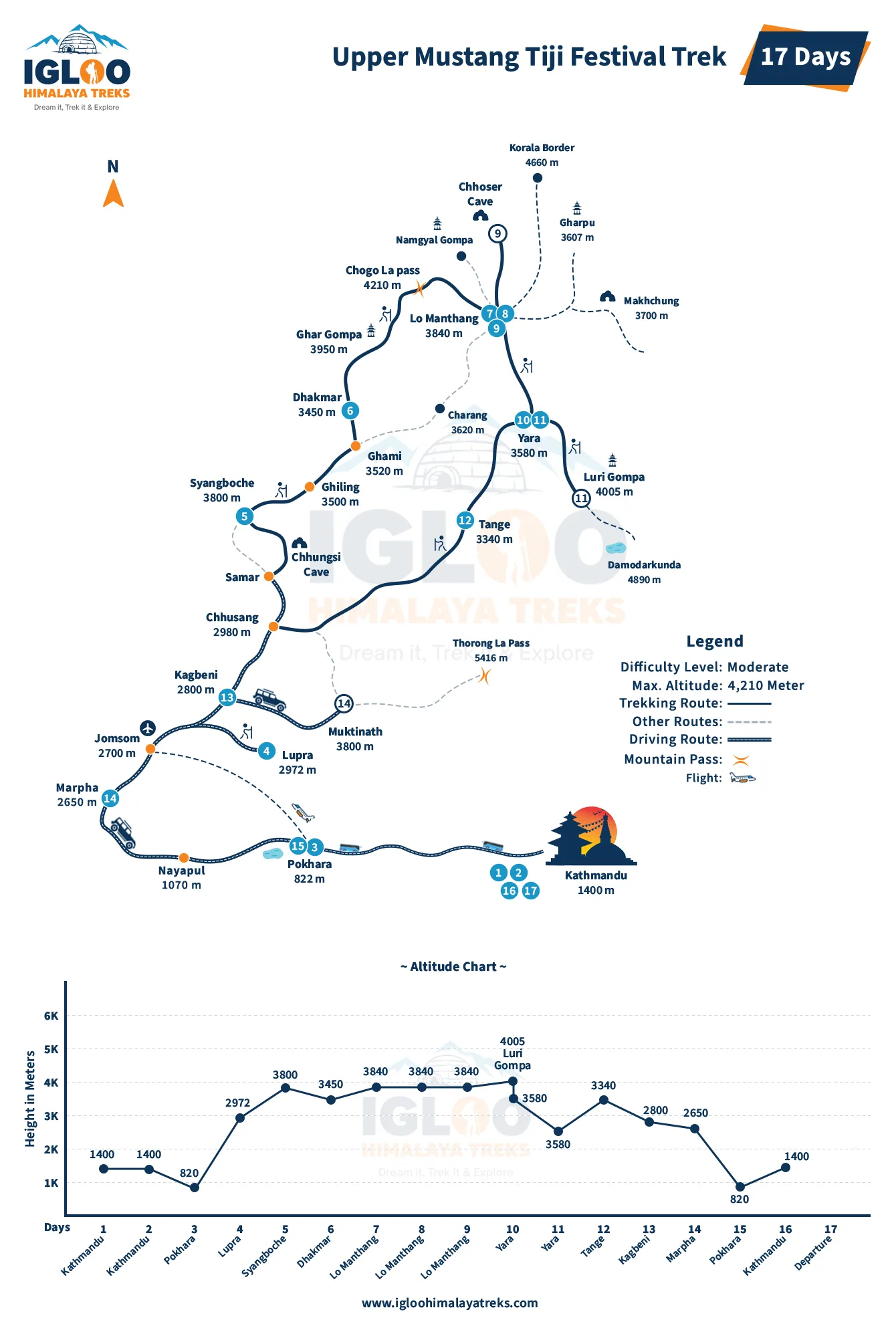
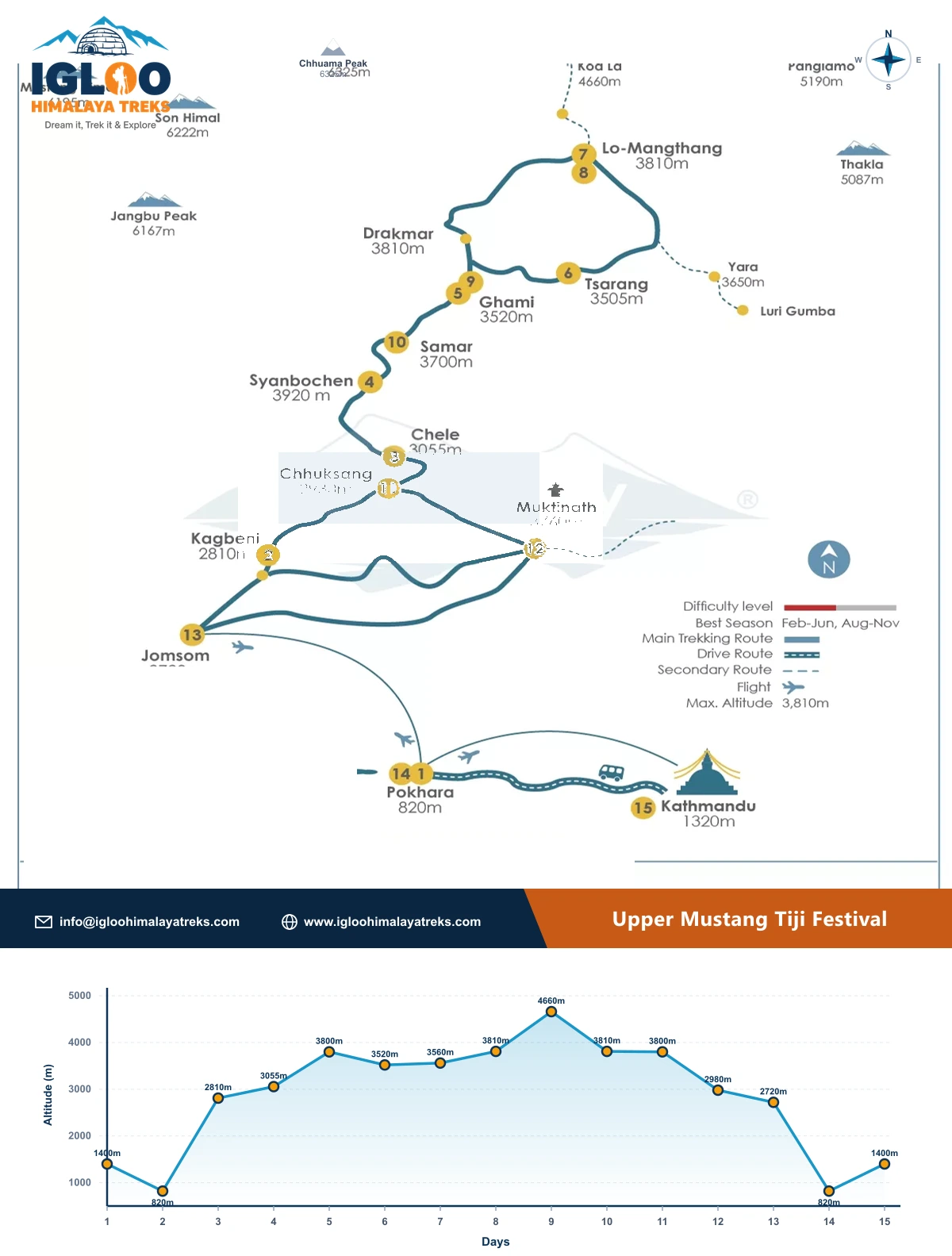
Upper Mustang Tiji Festival Trek Route Map

Follow the western approach trail through Lupra, Samar, Chungshi Rangjung Cave, and Ghar Gompa into Lo Manthang, returning via the eastern route through Yara, Luri Cave Monastery, Tange, and Chhusang to Kagbeni.

Detailed Route Map of Upper Mustang Tiji Festival Trek with Elevation Profile
Official Topographic Route • Elevation Profile
Click to Enlarge Map
Standard: 1,200 × 1,583 High-Res Festival Route: Jomsom • Kagbeni • Lo Manthang (Tiji) • Luri Gompa • Chhusang

Best Himalayan Trekking Reviews

4.9 / 5 (128+ Reviews)

Over 15,000 adventure seekers have explored Upper Mustang, Annapurna, Everest, and Manaslu with Igloo Himalaya Treks.

James & Sarah Video Review
5.0 25 October
Liam & Sophie Video Review
5.0 18 October
David & Chloe Video Review
5.0 14 October
Alpine Horizon Team Video Review
5.0 22 October

Video Review

Igloo Himalaya Treks Experience

Upper Mustang Tiji Trek FAQs

Find clear answers regarding Tiji Festival dates, walking demands, permit regulations, and high-altitude accommodation for this 16-day cultural expedition.

Festival & Monasteries

When is Tiji Festival held in Lo Manthang?

Tiji follows the Tibetan lunar calendar, usually falling in May or early June. Dates change between years. The company must confirm the local monastery’s programme before setting your departure and aligning Days 7–9 with the ceremonies.

Will we see all three festival days?

Days 7–9 are planned around Tiji, but Day 7 includes the walk into Lo Manthang and Day 9 includes Chosar. Confirm arrival and return times against the local daily ceremony timetable. The amount of viewing depends on these arrangements.

Are festival days complete rest days?

Festival days include town exploration, monastery visits and the Chosar excursion. You spend three nights in Lo Manthang, but activities continue around the ceremonies. The schedule needs adjustment to health, weather, opening times and activities.

How does the standard Mustang Trek differ from this?

The standard Upper Mustang Trek explores the region’s villages and monasteries on dates independent of Tiji. This itinerary follows the confirmed festival calendar and includes Chosar, an eastern return through Yara and Tange, and an excursion to Luri Cave Monastery.

Can I do this trek without previous trekking experience?

Previous hiking helps because this route includes high passes, steep descents and long eastern stages. Build endurance for consecutive walking days with a daypack. Discuss your experience before booking so the team can assess the programme and preparations.

Do I need to carry my main trekking bag?

One porter is shared between two trekkers and carries the trekking luggage. You carry water, weather protection, medicines and essentials in your daypack. Confirm the luggage allowance beforehand, keeping your passport and valuables with you.

Do I need to bring a sleeping bag and down jacket?

A sleeping bag, down jacket and duffel bag are supplied on loan for this package. All three must be returned after the trek. Bring your personal boots, clothing, toiletries and electronics, and check essential equipment before departure.

Can I book as a solo traveller?

Solo travellers can enquire, with the company checking restricted-area application conditions, guide arrangements and festival departure options. Prices are not published. Send your dates to receive the quotation and arrangements that apply to your booking.

What is the highest altitude on this itinerary?

The western approach via Ghar Gompa can cross Chogo La at around 4,280 metres. Confirm the exact pass route before departure. Lo Manthang, approximately 3,840 metres, is the highest planned overnight stop on our sixteen-day programme.

Is insurance covering trekking to 4,000 metres sufficient?

A 4,000-metre limit falls below the western approach pass, commonly listed around 4,280 metres. Ask your insurer to cover the complete agreed route, emergency helicopter evacuation and necessary medical treatment, including relevant altitude limits, exclusions and assistance procedures.

Does being fit protect me from altitude sickness?

Fitness supports walking demands but does not prevent altitude illness. The approach from Pokhara gains height quickly, including the night in Sangmochen. Fit and experienced walkers can become unwell, so report symptoms promptly and follow the guide’s assessment.

What should I do if I feel unwell at altitude?

Tell your guide promptly about headaches, nausea, dizziness or unusual fatigue. Do not ascend to a higher sleeping altitude while experiencing symptoms of altitude illness. If symptoms worsen despite rest at the same elevation, descent is necessary.

PLAN YOUR HIMALAYAN EXPEDITION

Book the Upper Mustang Tiji Festival Trek

Send us your preferred festival year, group size and questions about the Upper Mustang Tiji Festival Trek. We’ll confirm the local calendar, accommodation, permits and package quotation. Tell us about your walking experience so we can discuss the longer eastern stages, festival-day timing and preparations needed for this sixteen-day journey through Mustang’s villages.

Chat on WhatsApp
100% Guaranteed Departures 2–4 Hr Response Time Certified High-Altitude Sherpa Guides
MORE ADVENTURES

You Might Also Like

If you prefer Mustang outside festival time, more road travel or a different Annapurna route, consider these related Igloo packages.

Enquire about your preferred package for current prices and availability.

Enquire Now — Request Quote