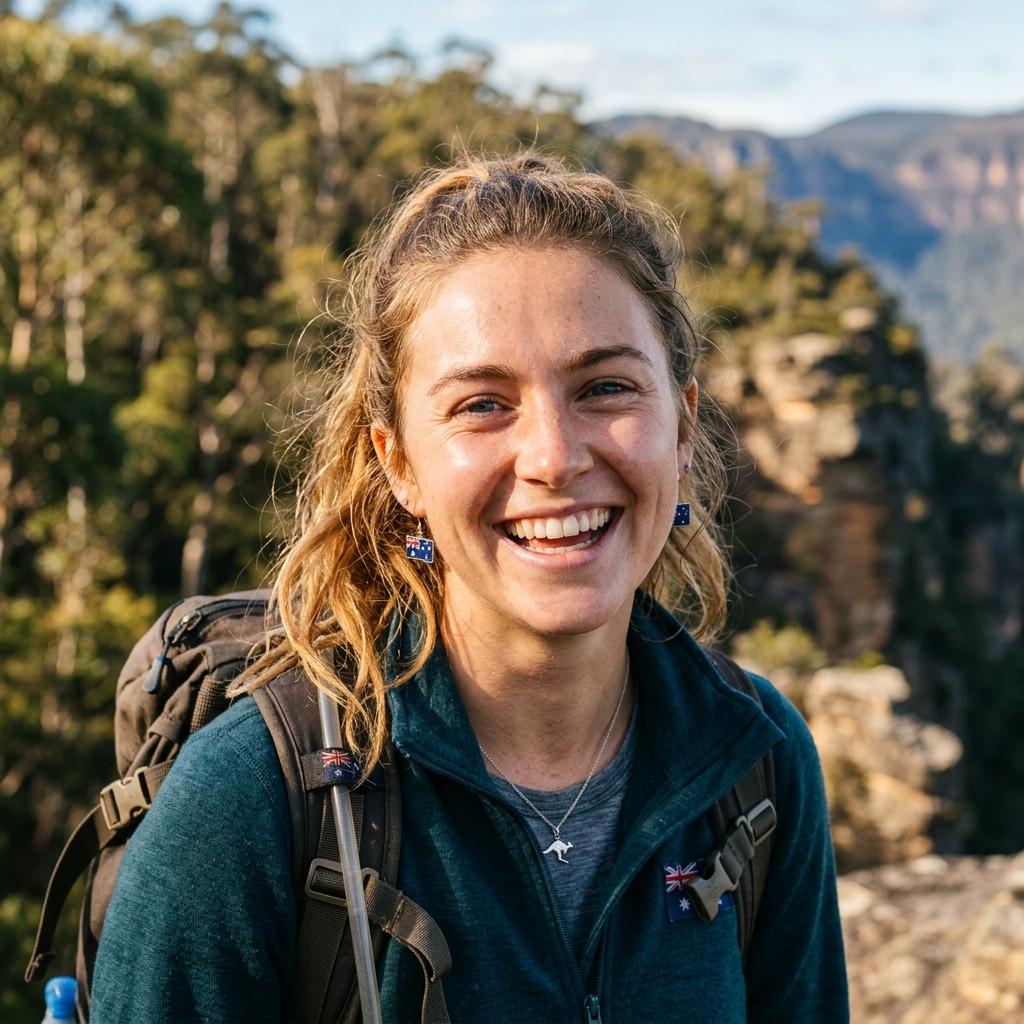
Our experience with Igloo Himalaya Treks went beyond every expectation. From airport pickup in Kathmandu to every mountain stop, Sagar and the team kept us comfortable, well-acclimatised, and well-fed throughout the journey.
Nepal Himalayas • MODERATE
5.0
reviews on TripAdvisor
5.0
169 Google reviews
Ruby Valley Heritage Trail Test — 9 Days
Explore the peaceful Ruby Valley Heritage Trail between Ganesh Himal and Langtang with authentic Tamang homestays, alpine passes, and hot springs.
Travelers' Choice
Best of the Best 2026
Key Trip Facts
Duration
14 days (inc. arrival, departure & 2 acclimatisation days)
14 days (inc. arrival, departure & 2 acclimatisation days)
Difficulty
Moderate to challenging
Moderate to challenging
Maximum Altitude
~5,545 m (Kala Patthar)
~5,545 m (Kala Patthar)
Destination
Nepal
Nepal
Activity
Trekking
Trekking
Accommodation
3-Star Kathmandu Hotel & Mountain Teahouses
3-Star Kathmandu Hotel & Mountain Teahouses
Transport
Return Lukla Flights & Transfers (KTM/Ramechhap)
Return Lukla Flights & Transfers (KTM/Ramechhap)
Meals
Breakfast in KTM; B, L, D on Trek; Farewell Dinner
Breakfast in KTM; B, L, D on Trek; Farewell Dinner
Recommended Season
Spring (Mar–May) & Autumn (Sep–Nov)
Spring (Mar–May) & Autumn (Sep–Nov)
Trek Starts
Lukla
Lukla
Trek Ends
Lukla
Lukla
Trek Region
Everest / Khumbu
Everest / Khumbu
Package Start Point
Kathmandu
Kathmandu
Package End Point
Kathmandu
Kathmandu
Ruby Valley Heritage Trail Test Overview
Ruby Valley Heritage Trail offers an authentic off-the-beaten-path Himalayan trek combining vibrant village culture and panoramic Ganesh Himal views.
Want to know more about this trek?
Chat with us — real Himalayan experts, not bots.
Replies within 2–4 hours
Ruby Valley Heritage Trail Test Highlights
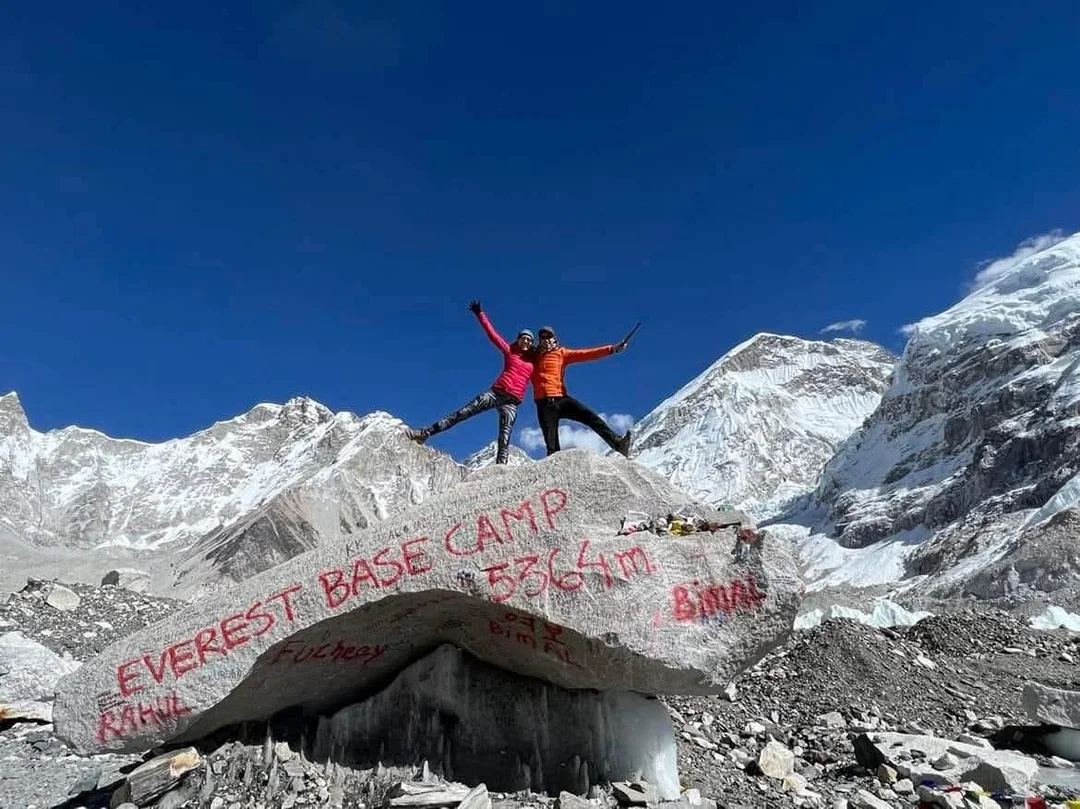
Reach Everest Base Camp at 5,364 m, with the Khumbu Glacier and surrounding peaks marking the final stage of your outward journey.
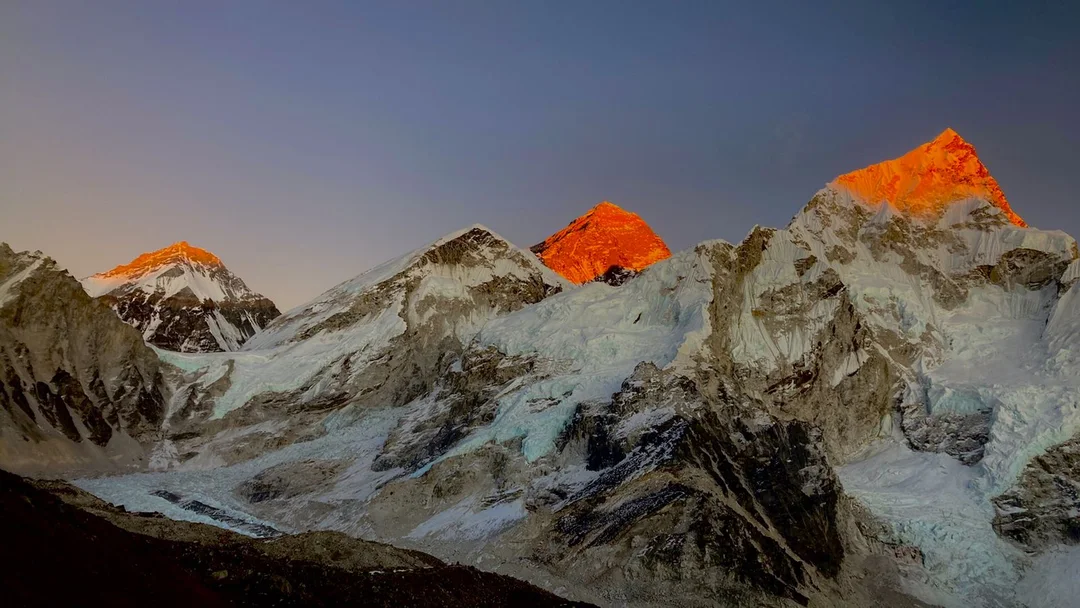
Hike to Kala Patthar, where clear weather offers close views of Everest and the surrounding mountains.
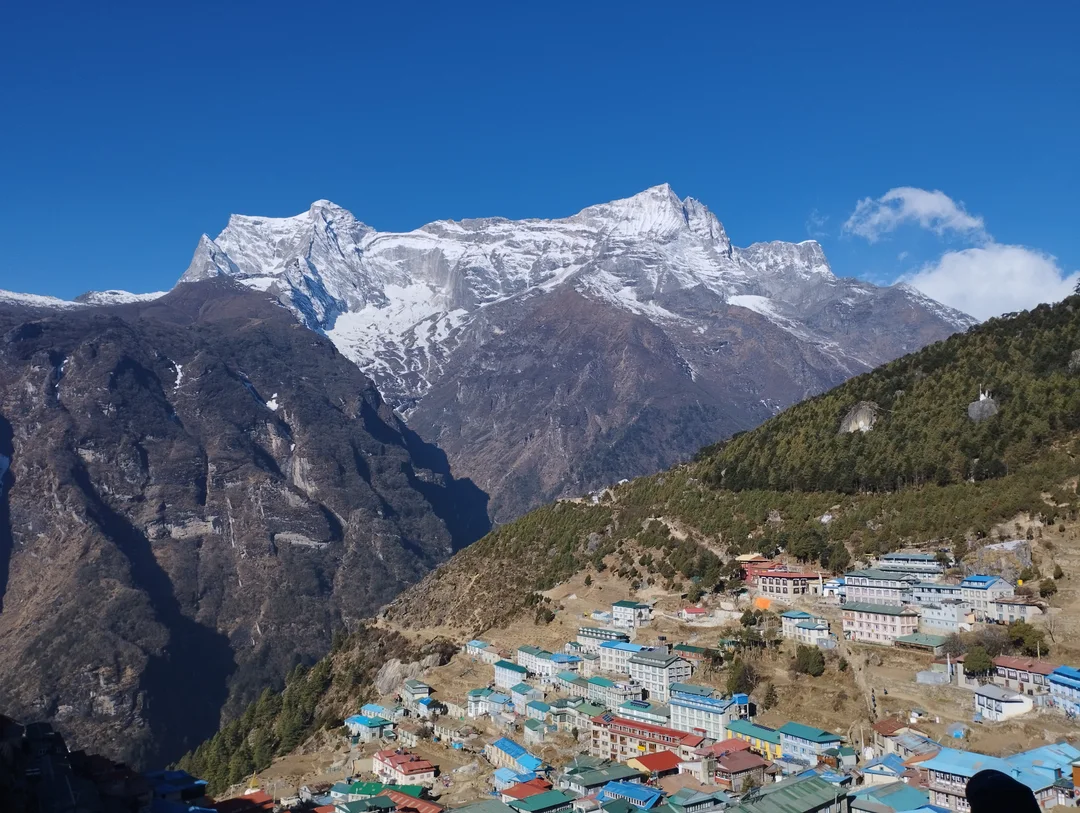
Explore Namche Bazaar, a Sherpa trading town with shops, cafés and bakeries to visit during your stay.
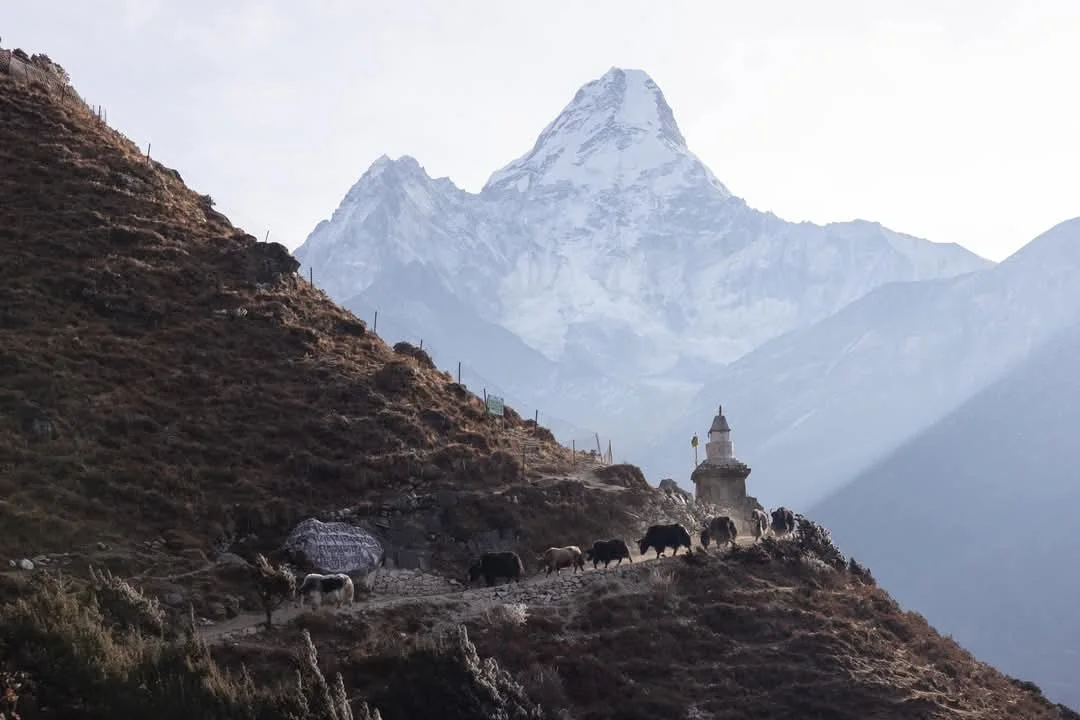
Walk to Tengboche, known for its Buddhist monastery and mountain setting beneath Ama Dablam.
Follow the Dudh Koshi valley, crossing suspension bridges and walking through forests between Lukla and Namche.
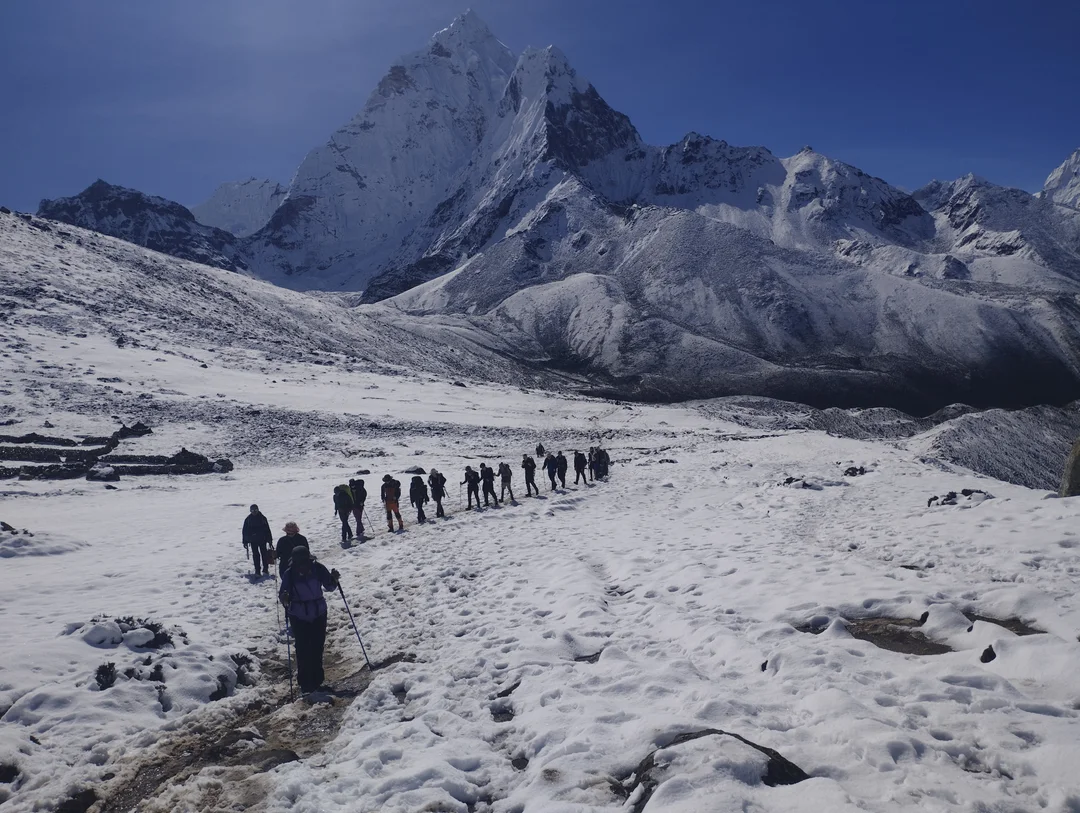
Spend acclimatisation days in Namche and Dingboche, combining shorter hikes with additional nights at the same elevation before continuing higher.
Why Book Ruby Valley with Igloo?
Every Ruby Valley departure supports local Tamang homestays and seasoned mountain guides.
Local Ruby Valley Guides
Led by bilingual trail experts familiar with Pangsang Pass and hot springs.
Day 1: Kathmandu to Somdang
Scenic mountain drive into Ruby Valley — 3,270 m — 7-8 hrs
Drive north from Kathmandu past Trishuli Bazaar and Syabrubesi into the remote mining settlement of Somdang.
Day 2: Cross Pangsang Pass
Panoramic Ganesh Himal & Langtang ridge crossing — 3,850 m — 6-7 hrs
Ascend through rhododendron forests to Pangsang Pass (3,850m) for sweeping views of Ganesh Himal, Manaslu, and Langtang Lirung before descending to Tipling.
What’s Included in Ruby Valley Heritage Trail Test
Airport Transfers
Pickup and drop-off for your arrival and departure in Kathmandu.
Return Lukla Flights
Domestic flights from Kathmandu or Manthali Airport, with scheduled ground transfers when operating via Ramechhap.
Hotel & Teahouse Accommodation
Two nights in a 3-star Kathmandu hotel on a twin-sharing basis, plus teahouses during the trek. Attached bathrooms are included in Phakding, Namche and Lukla.
All Meals, Hot Drinks & Extras
Breakfast in Kathmandu; breakfast, lunch and dinner during the trek; welcome and farewell dinners. Three cups of tea or coffee daily, plus fresh fruit and Snickers chocolate with dinner.
Licensed Guide & Porter Support
A licensed, English-speaking trekking guide and one porter for every two trekkers (carrying your main duffel bag).
Permits & Regional Entry Fees
Sagarmatha National Park entry permit and the Khumbu Pasang Lhamu Rural Municipality entry fee.
Trekking Equipment Provided
A sleeping bag, down jacket and duffel bag. The sleeping bag and jacket must be returned after the trek.
First-Aid Medical Supplies
A comprehensive medical kit and first-aid equipment carried by the team along the route.
Emergency Rescue Coordination
Helicopter rescue coordination if required (evacuation expenses billed to your travel insurance).
Trip Extras & Souvenirs
A trip completion certificate and an official Igloo Himalaya Treks hat or cap.
Tatopani Natural Hot Springs
Guided cultural village visit and natural hot springs relaxation along the Ruby Valley trail.
What’s Not Included in Ruby Valley Heritage Trail Test
International Flights and Nepal Visa
Airfare to and from Nepal and your tourist visa fee.
Travel Insurance
The cost of your insurance policy, which must cover high-altitude trekking up to 5,545 m and emergency evacuation.
Emergency Evacuation Costs
Helicopter rescue costs. We provide 24/7 rescue coordination, but the evacuation itself is paid directly by your insurer.
Personal Equipment
Boots, clothing and other personal items beyond the sleeping bag, down jacket and duffel bag we provide.
Extra Food and Drinks
Personal snacks, desserts, soft drinks, alcoholic beverages beyond the included meals, fruit, chocolate and tea allowance.
Other Kathmandu Meals
Lunches and dinners in Kathmandu apart from the included welcome and farewell dinners.
Teahouse Services
Hot showers, Wi-Fi internet cards and battery charging fees along the trail.
Guide and Porter Tips
Gratuities for your dedicated trekking guide and porter team.
Additional Accommodation or Transport
Extra costs incurred due to flight delays, weather alterations, personal extensions or deviations outside the programme.
Ruby Valley Heritage Trail Test Dates & Availability
Group Departures: Join scheduled small groups at competitive per-person pricing.
Private Trip Dates: Travelling with friends, family, or solo? Pick your own start date on the interactive calendar below and we tailor everything to you.
Starting Prices by Group Size
Prices are in US dollars per person. Contact us with your travel dates and group size to confirm availability.
1 Person (Solo)
USD 1,445
Private Support
2–4 People
USD 1,405
Small Group
5–7 People
USD 1,355
Best Value
8+ People
Quote
Request Quote
05
SEP
Aug 5 – Aug 18, 2026
AVAILABLE$1,499 pp
05
SEP
Aug 9 – Aug 22, 2026
AVAILABLE$1,499 pp
05
SEP
Aug 13 – Aug 26, 2026
AVAILABLE$1,499 pp
05
SEP
Aug 17 – Aug 30, 2026
AVAILABLE$1,499 pp
05
SEP
Aug 21 – Sep 3, 2026
AVAILABLE$1,499 pp
Hiking Gear
Clothing
Sleeping Equipment
Toiletries & Hygiene
Electronics
Documents & Personal Items
0/10 read
Click topics below to explore essential briefings
Trek Difficulty and Fitness
The Everest Base Camp Trek is physically demanding, although it does not require technical climbing skills. You will walk over steep paths, stone steps and uneven ground on consecutive days. Several stages take five to six hours, while longer days can reach seven to eight hours.
Previous hiking experience is helpful. First-time trekkers should build their endurance before departure and become comfortable walking uphill and downhill with a daypack.
Begin preparing around two to three months beforehand, allowing longer if you are starting from a low fitness level. Gradually combine regular walks, hill hikes and strength exercises. Practise in the boots you will wear on the trek.
Altitude and Acclimatisation
Our itinerary includes acclimatisation days in Namche Bazaar and Dingboche. These give you time to adjust before continuing higher, but altitude illness can still affect you, regardless of fitness.
Tell your guide promptly about headaches, nausea, dizziness or unusual fatigue. Do not continue to a higher sleeping altitude while experiencing symptoms of altitude illness. If symptoms worsen despite resting at the same elevation, descent is necessary. Reaching Base Camp must remain secondary to your health.
Medical Conditions and Travel Insurance
If you have an existing medical condition, seek advice from a healthcare professional familiar with high-altitude travel before booking. Discuss your planned route and any medicines you take.
Travel insurance is compulsory for this package. Confirm that your policy covers trekking to approximately 5,545 metres, emergency helicopter evacuation and medical treatment in Nepal. Check exclusions, excess charges and the insurer’s emergency assistance procedure. Carry your policy details and emergency contact number.
Accommodation and Room Facilities
You will stay in a three-star hotel in Kathmandu and teahouses along the trekking route. Kathmandu accommodation is on a twin-sharing basis, with attached bathrooms provided in Phakding, Namche and Lukla.
Higher on the route, expect simpler rooms and shared bathroom facilities. Comfort varies between lodges, and private rooms can be limited during busy periods. Be prepared for cold nights and fewer facilities around Lobuche and Gorak Shep.
Food and Dietary Requirements
Breakfast, lunch and dinner are included during the trek. Teahouse menus commonly offer dal bhat, noodles, potatoes, soups and other straightforward meals.
Tell us about allergies or dietary requirements before booking so we can discuss what can be arranged along the route. Explain any strict requirements clearly, including concerns about shared cooking equipment.
Drinking Water
Carry reusable bottles and drink boiled or appropriately treated water. Water from a clear stream or an untreated tap may still contain germs.
Boiling is the most reliable way to kill germs. If boiling is unavailable, filtration followed by disinfection offers broader protection than many portable filters alone. Follow the instructions for your treatment equipment or tablets.
Guide and Porter Support
The package includes a licensed, English-speaking guide and one porter for every two trekkers. Your porter carries the main trekking luggage; you carry your daypack and the items you need during the walk.
Showers, Charging and Communication
Hot showers, Wi-Fi and device charging cost extra, with availability varying between lodges. Mobile reception and internet connections can be unreliable, particularly higher on the route. Carry a power bank and let family know that you may be out of contact for periods of the trek.
Permits and Documents
We arrange the Sagarmatha National Park permit and Khumbu Pasang Lhamu Rural Municipality entry permit as part of the package. Carry your passport, insurance details and copies of important documents. Your Nepal visa remains your responsibility.
Flight Delays and Extra Time
Lukla flights can be delayed or cancelled because of weather. During peak periods, flights may use Manthali Airport in Ramechhap, requiring a road transfer.
Allow extra time before your international departure. Additional accommodation and alternative transport may cost extra. Helicopter availability also depends on weather and operating conditions.
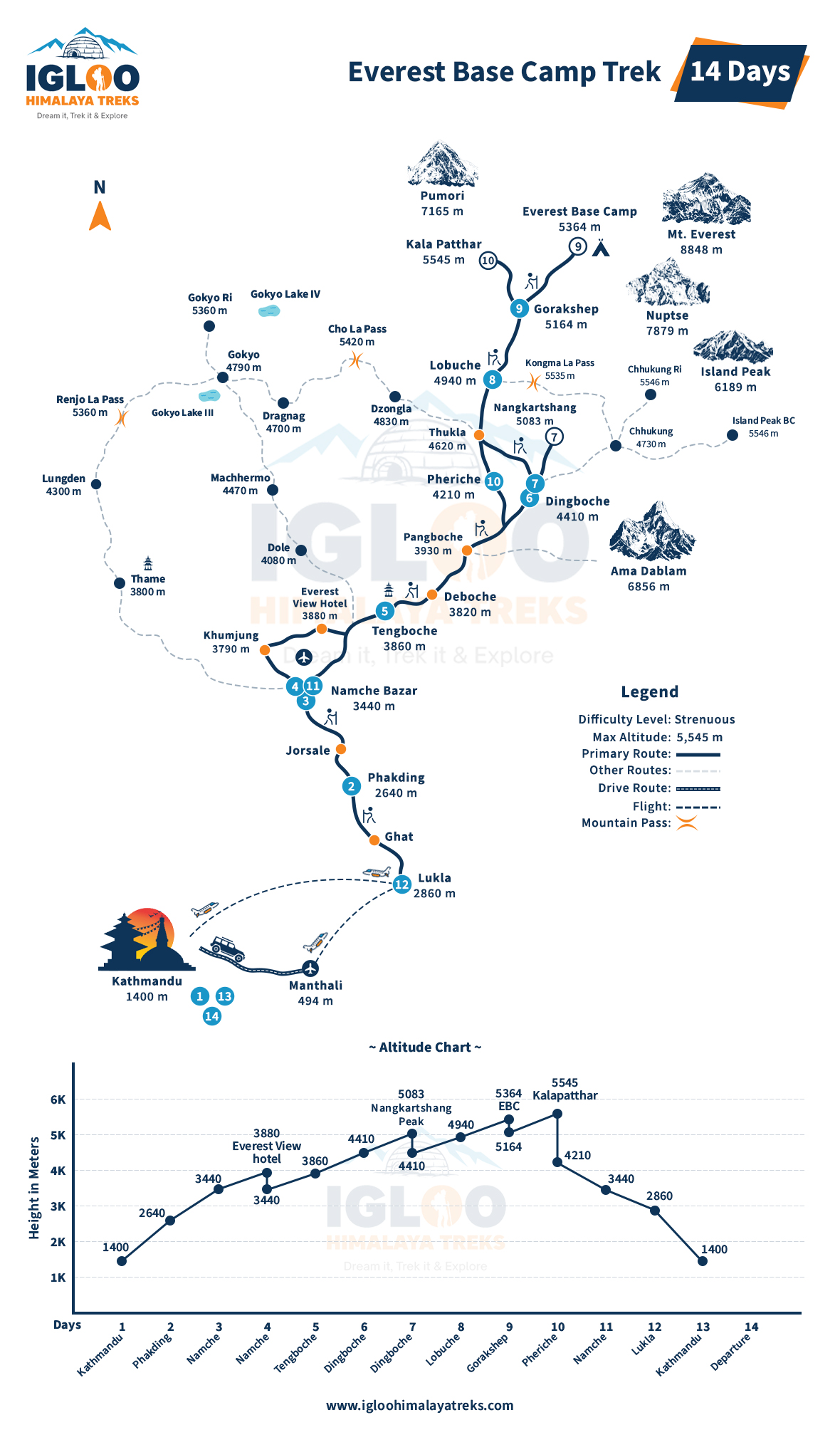
Altitude Profile of Ruby Valley Heritage Trail Test
Interactive elevation map showing daily gain and acclimatisation stopping points. Switch units below to convert between meters (m) and feet (ft).
Interactive elevation profile along the itinerary stages.
Overnight Altitudes
| Day | Overnight Stop | Approx. Altitude |
|---|---|---|
| Day 1 | Kathmandu to Somdang | 3,270 m |
| Day 2 | Cross Pangsang Pass | 3,850 m |
Higher Places You Visit
-
•
Ruby Valley Heritage Trail Test Panoramic High Point (3,850 m): Highest sightseeing / trail viewpoint reached during the day before returning to comfortable overnight altitude.
-
•
Built-In Acclimatisation & Pacing (Steady Gain): Scheduled elevation stops help every traveller adapt smoothly while enjoying cultural landmarks along the route.
Gradual elevation scheduling allows your body time to acclimatise before reaching the highest section of the itinerary.
Weather and Best Time for Ruby Valley Heritage Trail Test
Spring (March–May) and autumn (September–November) generally provide the clearest visibility and most comfortable temperatures along Himalayan routes.
Peak Visibility
Autumn (Sep–Nov)
Crisp blue skies & festive trails
Wildflowers
Spring (Mar–May)
Rhododendrons & pleasant days
Peaceful Trails
Winter (Dec–Feb)
Quiet lodges & golden sunsets
Lush Valleys
Monsoon (Jun–Aug)
Green hills & rainshadow options
Seasonal Weather Conditions
Spring
March–May
Warmer daytime temperatures, blooming rhododendron forests, and pleasant visibility on clear mornings.
Autumn
September–November
Crisp post-monsoon air, reliable mountain views, and comfortable walking conditions across high passes.
Winter
December–February
Peaceful lodges and bright sunny days with cold mornings and nights at higher elevations.
Monsoon
June–August
Warm lush valleys and seasonal rain at lower elevations; ideal for rainshadow Tibetan-border corridors.
How Weather Changes Along the Route
Daytime stages feel pleasant in sunshine at lower stops, becoming progressively cooler as altitude increases, especially before sunrise and after sunset. Wind-exposed passes require warm layering.
Which Season Should You Choose?
Choose spring (March–May) for warmer trails and wildflowers, or autumn (October–November) for the crispest panoramic skies. Winter and summer departures suit flexible travellers.
Ruby Valley Heritage Trail Test Route Map
Topographic route overview for Ruby Valley Heritage Trail Test — 9 Days.
Book Ruby Valley Heritage Trail Test
Share your preferred travel dates, number of travellers, and any questions. We will check availability and confirm the full price and route arrangements for Ruby Valley Heritage Trail Test — 9 Days.
Traveler Reviews & Verified Feedback
Over 15,000 adventure travellers have explored the Himalayas and sacred routes with Igloo Himalaya Treks.
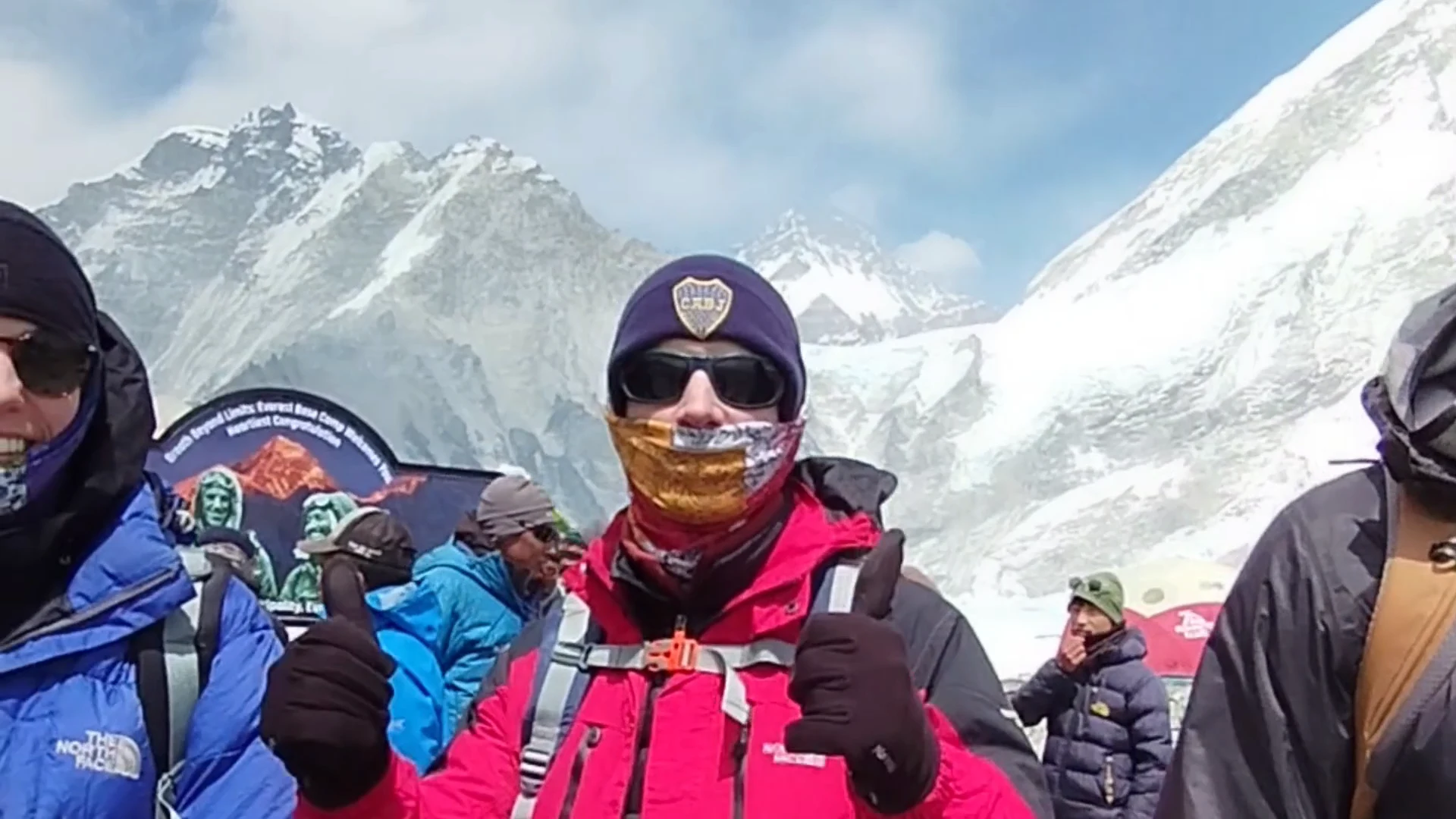
25 October
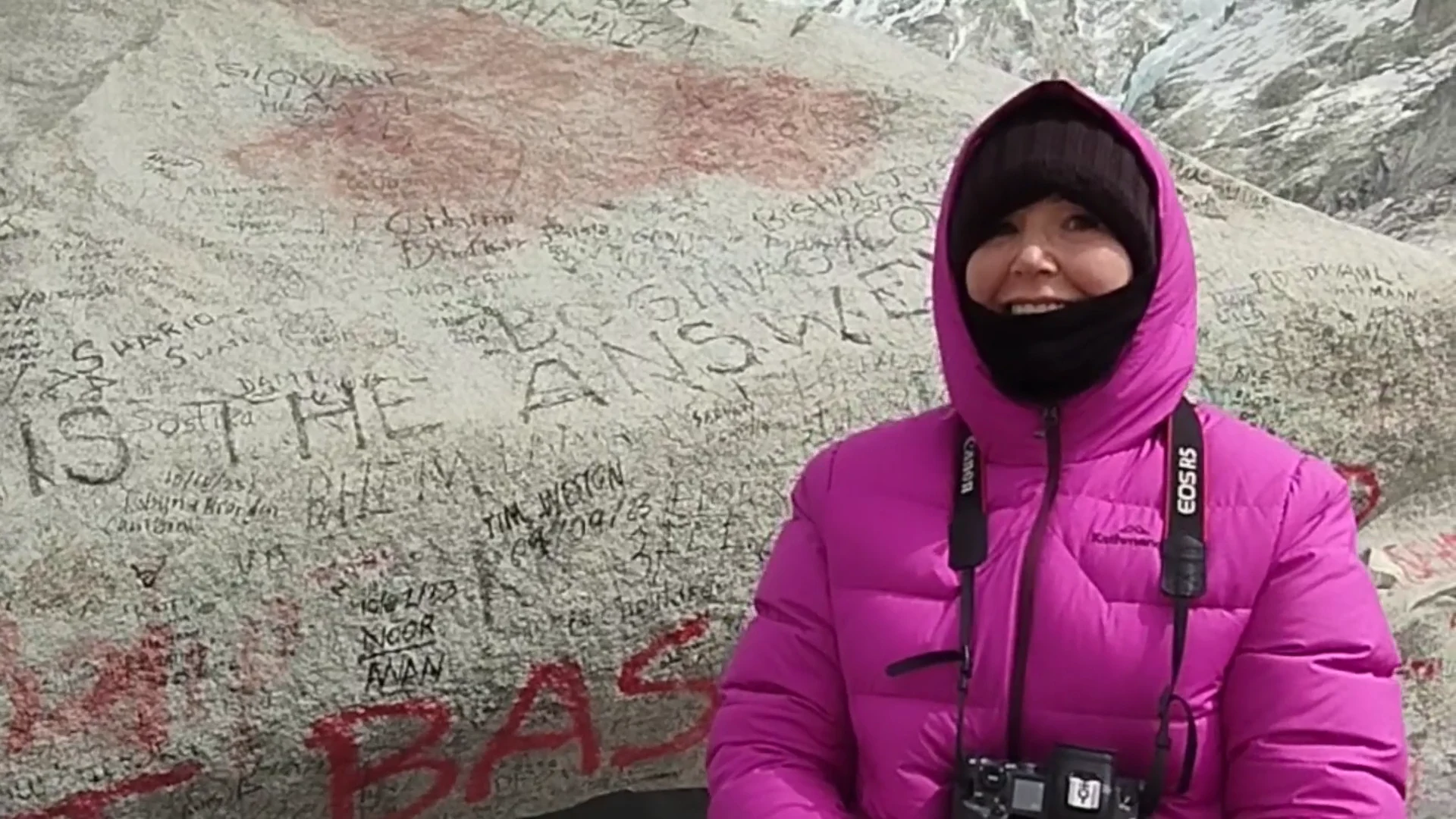
18 November
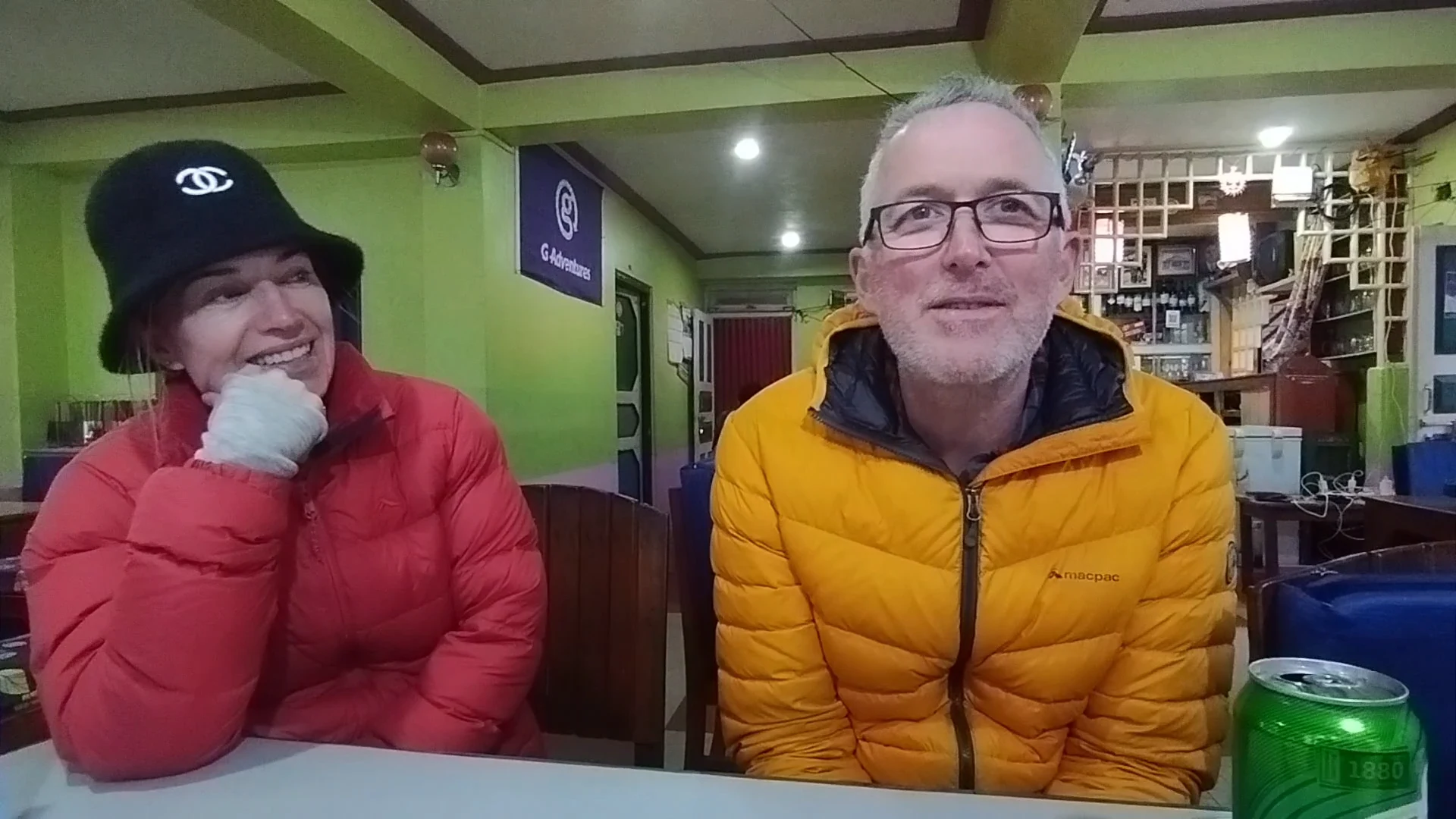
04 November
12 October
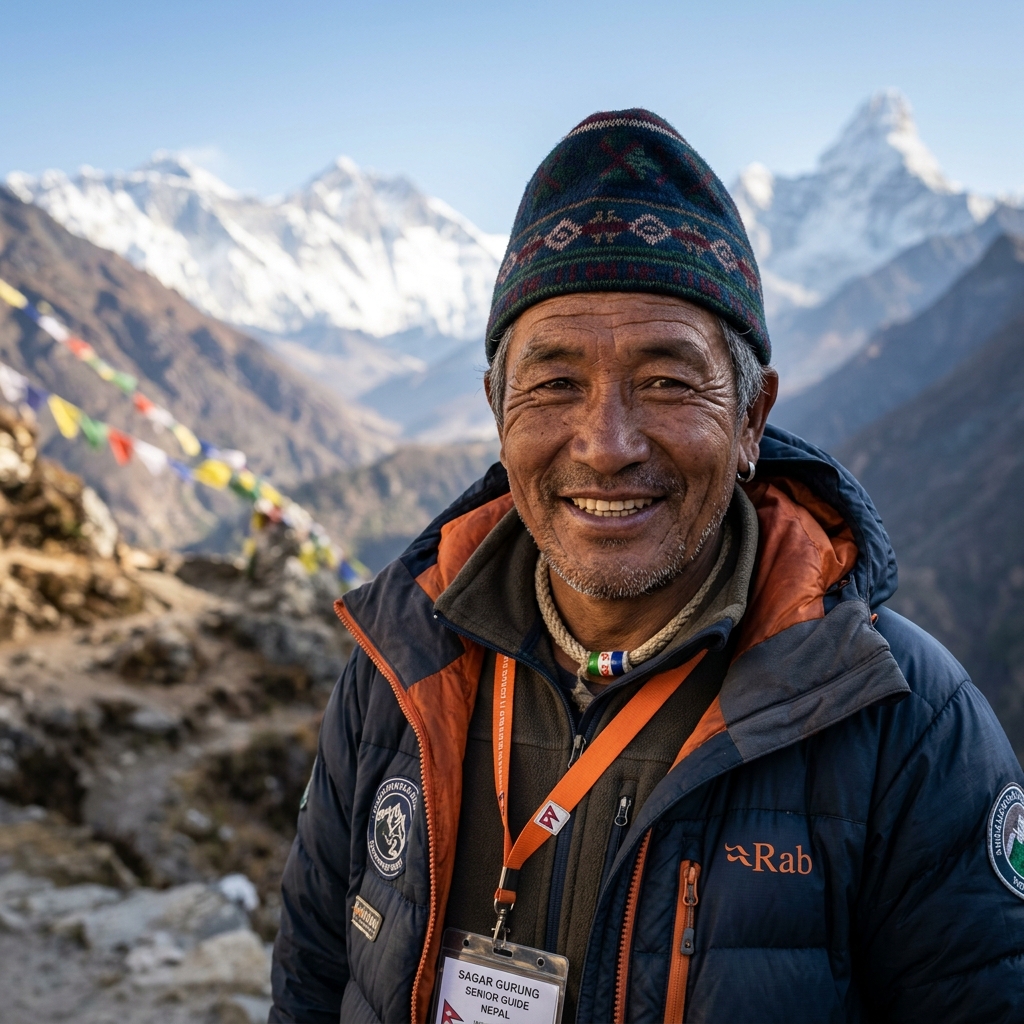 Guided by Sagar Gurung
Ruby Valley Heritage Trail Test FAQs
General & Route
Can I do this trek without previous trekking experience?
Yes, provided you prepare well and have suitable fitness. Previous hiking experience helps, but technical climbing skills are unnecessary. Before departure, practise longer hill walks with a daypack and become comfortable walking uphill and downhill on consecutive days.
What is the highest altitude on this itinerary?
The highest planned point is Kala Patthar at approximately 5,545 metres, above Everest Base Camp at 5,364 metres. Your highest overnight stop is Gorak Shep at approximately 5,164 metres, where you stay after visiting Base Camp.
Can I see Mount Everest from Base Camp?
Everest’s summit is generally hidden behind nearby ridges from Base Camp itself. Kala Patthar provides the clearer view of Everest that many travellers expect. Our itinerary includes this viewpoint, although mountain visibility depends on the weather.
Do we sleep at Everest Base Camp?
No. You visit Base Camp during the day and return to a teahouse in Gorak Shep for the night. The following morning includes the planned Kala Patthar hike before descending towards Pheriche. Camping at Base Camp is not included.
Are acclimatisation days complete rest days?
They usually include a shorter hike above Namche Bazaar or Dingboche, followed by a return to the same village to sleep. Your guide adjusts the hike according to conditions and how the group is feeling.
How does the 16-day package differ from this itinerary?
Our Everest Base Camp Trek — 16 Days adds a Kathmandu sightseeing and preparation day, plus a buffer day for possible delays. Both itineraries include acclimatisation stops in Namche Bazaar and Dingboche; the additional days provide more time in Kathmandu.
Do I need to carry my main trekking bag?
A porter carries your main trekking luggage, with one porter shared between two trekkers. You carry your daypack containing water, weather protection, medicines and other daily essentials. Keep your passport, money and valuables with you.
Do I need to bring a sleeping bag and down jacket?
We provide a sleeping bag and down jacket, both of which must be returned after the trek. A duffel bag is also supplied. You remain responsible for personal items such as trekking boots, clothing, toiletries and electronics.
Is insurance covering trekking to 5,500 metres sufficient?
A limit of 5,500 metres falls below the planned Kala Patthar elevation of approximately 5,545 metres. Ask your insurer to confirm coverage for the full route, emergency helicopter evacuation and medical treatment, including any relevant exclusions or conditions.
Does being fit protect me from altitude sickness?
No. Good fitness helps with the walking demands, but it does not prevent altitude illness. Fit and experienced trekkers can also become unwell. Follow the acclimatisation schedule and report symptoms promptly instead of assuming fitness will protect you.
What should I do if I feel unwell at altitude?
Tell your guide promptly about headaches, nausea, dizziness or unusual fatigue. Do not ascend to a higher sleeping altitude while experiencing symptoms of altitude illness. If symptoms worsen despite rest at the same elevation, descent is necessary.
Can I book as a solo traveller?
Ascend through rhododendron forests to Pangsang Pass (3,850m) for sweeping views of Ganesh Himal, Manaslu, and Langtang Lirung before descending to Tipling.
MORE ADVENTURES
You Might Also Like
Consider these curated journeys in the Himalayas if you want an alternative pace, duration, or regional corridor.
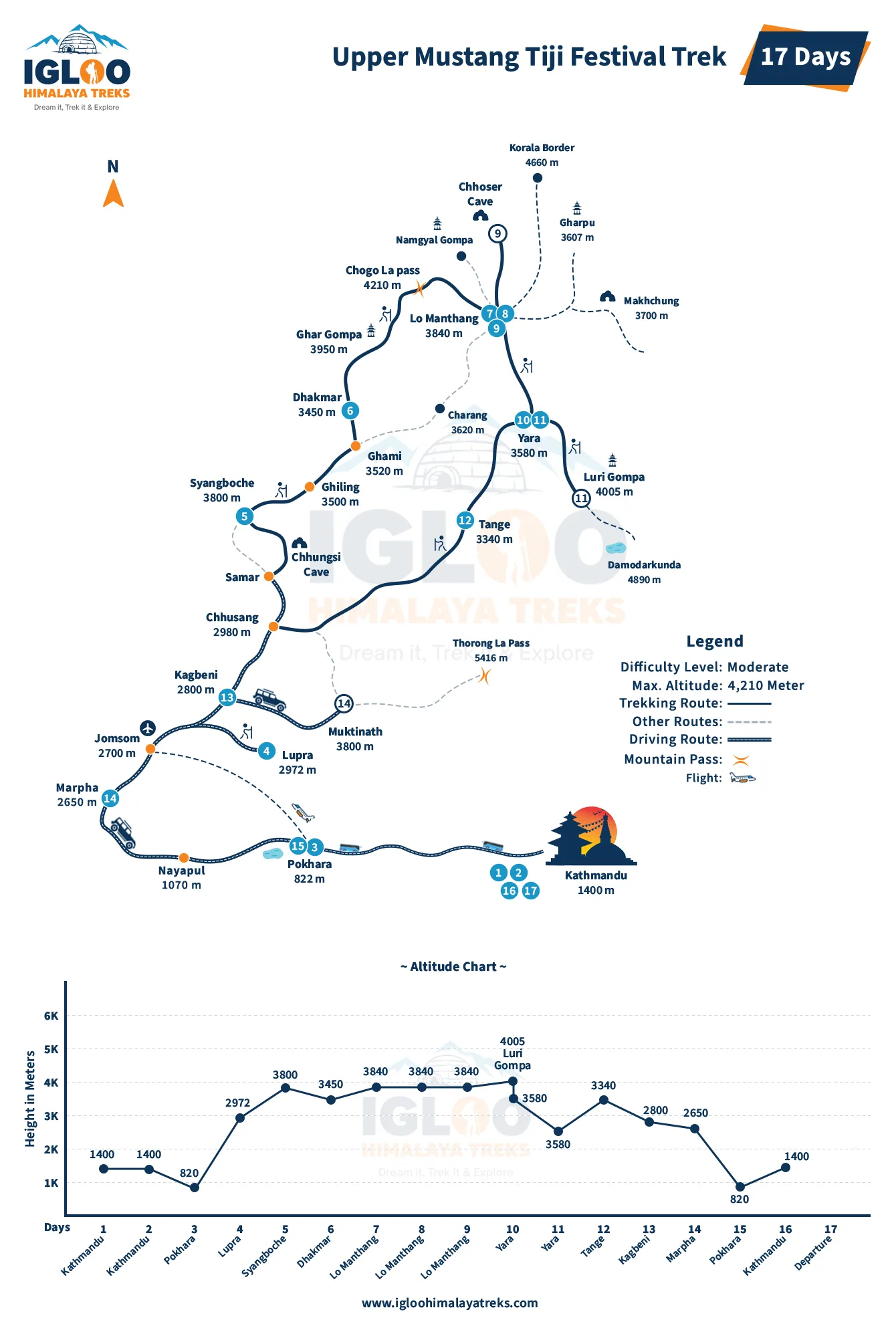 16 Days
Upper Mustang Tiji Festival Trek — 16 Days
Experience three days of Tiji Festival in Lo Manthang on this sixteen-day Mustang journey. Walk through Lupra, Sangmochen and Dhakmar, visit
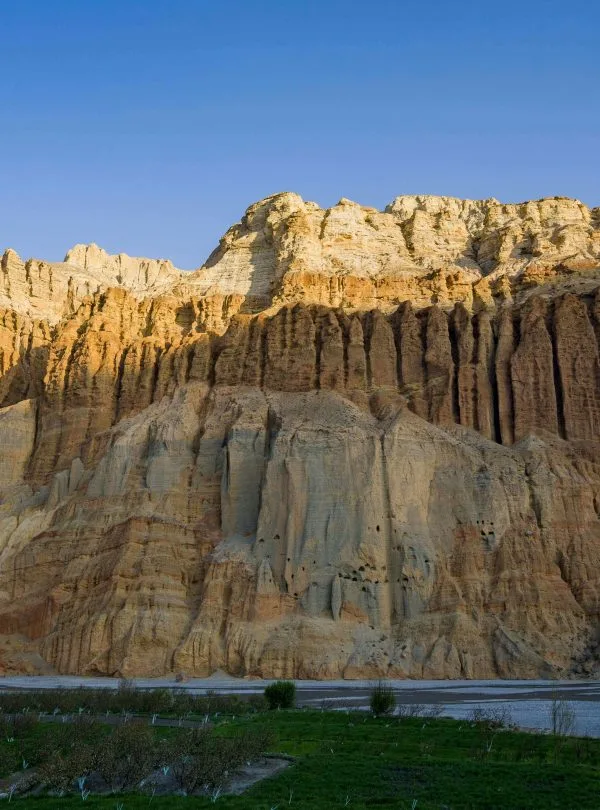 12 Days
Upper Mustang Jeep Tour — 12 Days
Explore Upper Mustang by jeep on this twelve-day journey through Kagbeni, Ghami and Dhakmar to Lo Manthang. Visit the walled town’s monaster
 7 Days
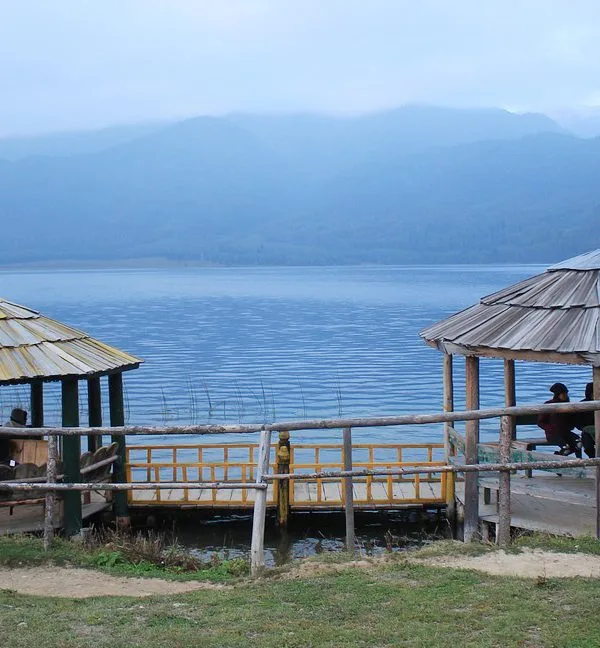
Rara Lake Jeep Tour — 7 Days
Travel across western Nepal on our seven-day Rara Lake Jeep Tour, following the road from Kathmandu to Kohalpur and Manma before approaching
 1 Day
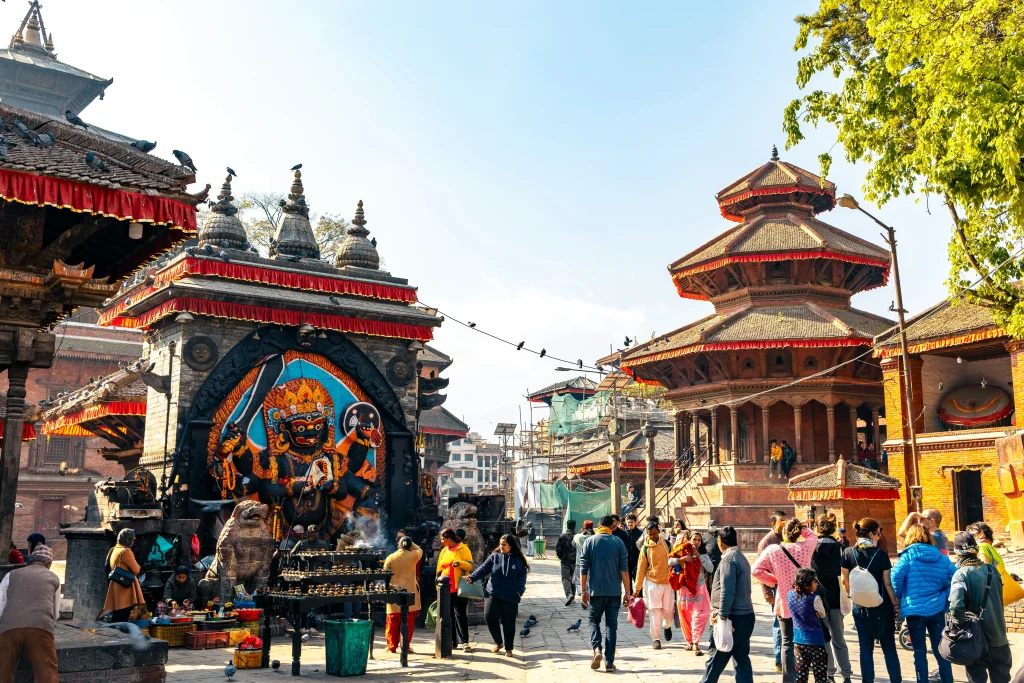
One Day Kathmandu City Tour — 1 Day
Visit five of Kathmandu Valley’s heritage monument zones on a guided cultural sightseeing day. Explore Kathmandu Durbar Square, Swayambhunat